
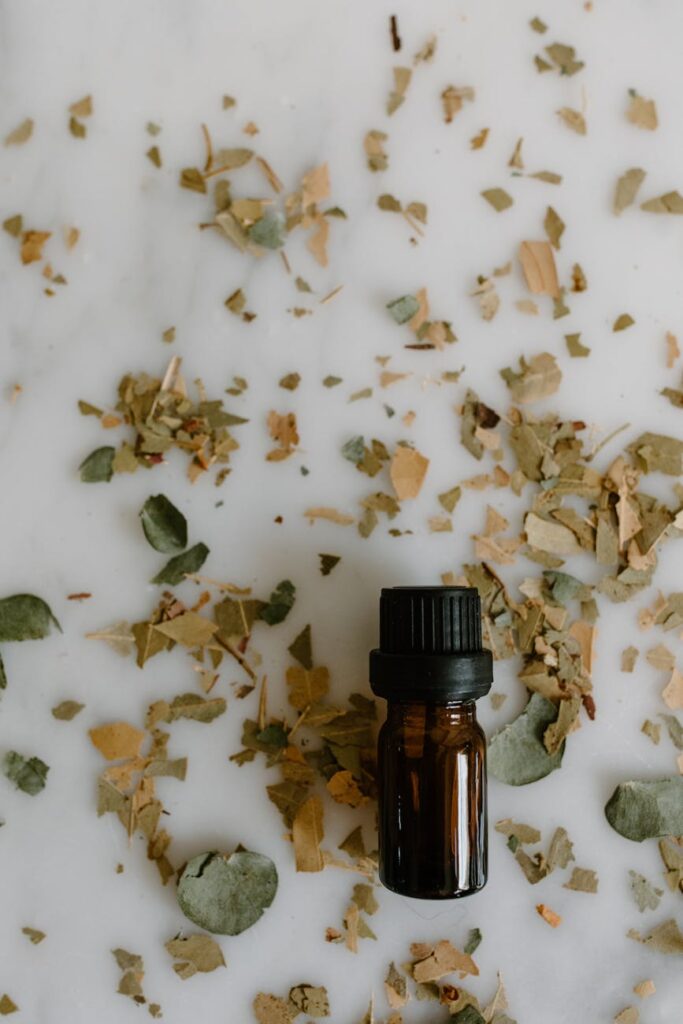
Health Benefits of DIY Aromatherapy Recipes for Respiratory Support
Introduction
Aromatherapy has gained popularity over the years as a natural method to enhance well-being. Among its many applications, respiratory support is particularly significant, especially in today’s world where respiratory health is often a concern. DIY aromatherapy recipes offer a personalized approach to harnessing the power of essential oils, allowing individuals to create tailored solutions for respiratory wellness. This article explores the benefits, common uses, applications, and safety considerations of DIY aromatherapy recipes for respiratory support.
What Is DIY Aromatherapy Recipes for Respiratory Support?
DIY aromatherapy refers to the practice of blending essential oils with carrier oils or other ingredients to create personalized formulations for various health and wellness purposes. When focused on respiratory support, these recipes typically include essential oils known for their soothing, clearing, or invigorating properties. Ingredients may vary, but common oils include eucalyptus, peppermint, tea tree, and lavender, among others. These blends can be used in a variety of ways, such as inhalers, diffusers, or topical applications.
Key Benefits and Properties
The benefits of DIY aromatherapy recipes for respiratory support stem from the unique properties of essential oils. Here are some key benefits:
1. Expectorant Qualities: Certain essential oils, like eucalyptus and peppermint, may help loosen mucus and facilitate its expulsion, potentially easing congestion.
2. Anti-inflammatory Effects: Oils such as tea tree and lavender possess anti-inflammatory properties, which may help reduce irritation in the respiratory tract.
3. Antimicrobial Properties: Many essential oils have natural antimicrobial qualities that can support a healthy respiratory system by combating pathogens.
4. Relaxation and Stress Relief: Aromatherapy is renowned for its ability to promote relaxation. Oils like lavender can help reduce anxiety and stress, which can indirectly support respiratory health.
5. Improved Air Quality: Diffusing essential oils can help purify the air and reduce airborne pathogens, creating a healthier environment for the respiratory system.
Common Uses
DIY aromatherapy recipes for respiratory support can be utilized in various ways. Some common applications include:
- Diffusers: Adding essential oils to a diffuser can create a calming atmosphere while delivering respiratory benefits.
- Inhalers: Personal inhalers filled with essential oil blends provide a convenient way to inhale therapeutic aromas on the go.
- Topical Applications: Mixing essential oils with carrier oils for topical use can provide localized relief for respiratory discomfort.
- Steam Inhalation: Adding essential oils to hot water for steam inhalation can help clear nasal passages and promote easier breathing.
- Eucalyptus and Lemon Blend: Mix 4 drops of eucalyptus oil and 2 drops of lemon oil in your diffuser. This blend offers an invigorating aroma that can uplift your spirits while supporting respiratory health.
- Peppermint and Lavender Blend: Combine 3 drops of peppermint oil and 3 drops of lavender oil. This calming yet refreshing blend can help ease breathing difficulties while promoting relaxation.
- Respiratory Relief Inhaler: Add 5 drops of tea tree oil, 3 drops of eucalyptus oil, and 2 drops of peppermint oil to an inhaler wick. Seal and use as needed for a refreshing inhalation experience.
- Soothing Chest Rub: In a small bowl, mix 2 tablespoons of coconut oil with 5 drops of eucalyptus oil and 5 drops of lavender oil. Massage the blend onto the chest and back for a soothing effect.
- Steam Inhalation Recipe: In a bowl of hot water, add 3 drops of eucalyptus oil and 3 drops of tea tree oil. Drape a towel over your head and lean over the bowl, inhaling deeply for several minutes.
- Dilution: Always dilute essential oils with a carrier oil before applying them to the skin to prevent irritation.
- Patch Test: Conduct a patch test by applying a small diluted amount of the blend to a discreet area of skin to ensure there is no adverse reaction.
- Consultation: If you are pregnant, nursing, or have existing health conditions, consult a healthcare professional before using essential oils.
- Keep Away from Eyes and Mucous Membranes: Essential oils can be irritating if they come into contact with sensitive areas, so caution is advised.
- Dark Glass Containers: Store essential oils in dark amber or cobalt blue glass bottles to protect them from light, which can degrade their quality.
- Cool, Dry Environment: Keep oils in a cool, dry place, away from direct sunlight and heat sources.
- Shelf Life: Generally, essential oils have a shelf life of 1 to 3 years, depending on the type of oil. Citrus oils tend to have shorter shelf lives, while oils like patchouli may last longer.
Aromatherapy Applications
1. Diffuser Blends
Creating a diffuser blend is one of the simplest ways to experience the benefits of essential oils. Here are a few recipes:
2. Inhaler Recipes
Inhalers are portable and easy to use. Try this simple recipe:
3. Topical Ointments
For topical applications, mixing essential oils with a carrier oil is essential. Here’s a basic recipe:
4. Steam Inhalation
Steam inhalation can provide immediate relief for congestion:
Safety Considerations
While essential oils can offer numerous benefits, it’s crucial to use them safely. Here are some important considerations:
Storage and Shelf Life
Proper storage of essential oils is essential to maintain their potency and effectiveness. Here are some tips:
Frequently Asked Questions
1. Can I use essential oils for respiratory support if I have asthma?
While some people with asthma find relief from certain essential oils, it’s crucial to consult a healthcare professional before using them, as they may trigger symptoms in some individuals.
2. How often can I use DIY aromatherapy recipes for respiratory support?
The frequency of use can vary depending on the individual and the specific recipe. Start with cautious usage and observe how your body responds before increasing frequency.
3. Are there any essential oils I should avoid?
Certain essential oils may not be suitable for everyone. Oils such as sage or rosemary may not be recommended for pregnant women, while some oils may cause sensitivities. Always research or consult a professional before use.
4. Can children use DIY aromatherapy recipes?
Children can benefit from aromatherapy, but oils should be diluted more than those for adults, and it’s best to consult with a healthcare professional for suitable options and recipes.
5. How do I know if the essential oil is pure?
Look for essential oils that are labeled as 100% pure, therapeutic grade, and free from additives. Reputable brands often provide information about their sourcing and testing processes.
Conclusion
DIY aromatherapy recipes for respiratory support offer a creative and natural way to enhance respiratory health and comfort. By understanding the key benefits, common uses, and safety considerations, individuals can explore the world of essential oils with confidence. As with any wellness practice, it’s essential to approach aromatherapy mindfully and to respect individual needs. Whether using a diffuser, inhaler, or topical application, the potential benefits of essential oils can be a valuable addition to one’s self-care routine.