
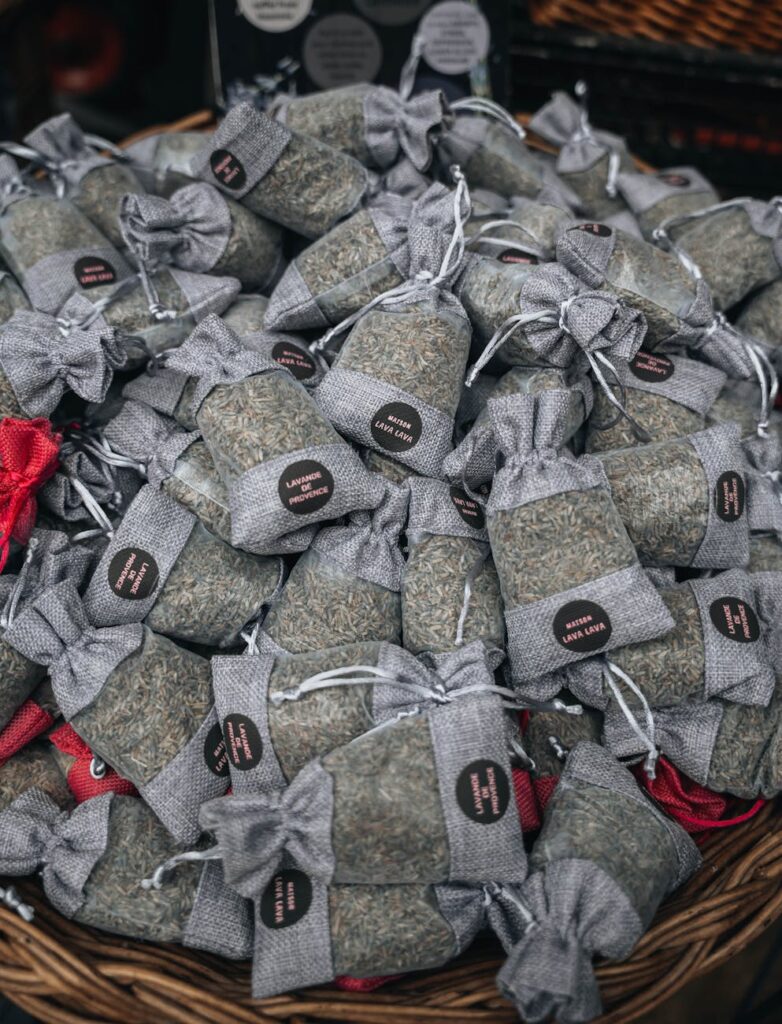
Health Benefits of DIY Aromatherapy Recipes for Scented Sachets with Herbal Blends
Introduction
The use of aromatic plants for therapeutic benefits has been a part of human culture for centuries. In recent years, a resurgence in interest has led many to explore the benefits of DIY aromatherapy, particularly through the creation of scented sachets infused with herbal blends. These sachets not only serve as delightful home fragrances but also offer a range of potential emotional and psychological benefits. This article will delve into the intricacies of DIY aromatherapy recipes, the key benefits of herbal blends, common uses, and important safety considerations.
What Is DIY Aromatherapy Recipes for Scented Sachets with Herbal Blends?
DIY aromatherapy recipes for scented sachets involve combining various dried herbs, flowers, and essential oils to create small, fragrant pouches. These sachets can be placed in closets, drawers, or other spaces to impart pleasing scents. The process typically includes selecting aromatic ingredients, blending them, and encasing them in breathable fabric, allowing their fragrances to permeate the air.
Ingredients
1. Dried Herbs and Flowers: Common choices include lavender, chamomile, rosemary, and peppermint.
2. Essential Oils: These are concentrated extracts that enhance the aromatic profile and therapeutic properties of the sachets. Popular options include lavender oil, eucalyptus oil, and tea tree oil.
3. Natural Additives: Ingredients like rice or flaxseeds can be added for texture and weight.
Key Benefits and Properties
Scented sachets made from herbal blends offer various benefits, both emotional and environmental. Here are some key properties associated with these aromatic mixtures:
Emotional Well-being
Many herbal scents are known for their calming effects. For instance, lavender is often used to promote relaxation and alleviate stress. The act of inhaling these soothing aromas can help create a peaceful atmosphere, enhancing mental clarity and emotional balance.
Air Purification
Certain herbs possess natural antimicrobial properties. For example, eucalyptus can help purify the air and may reduce airborne pathogens. Incorporating these herbs into sachets not only adds a pleasant scent but may also contribute to a healthier living environment.
Natural Insect Repellent
Some herbs, such as mint and rosemary, are known to deter common household pests. Including these in your sachets may help to keep insects at bay, providing a dual function of fragrance and pest control.
Common Uses
Scented sachets can be utilized in a variety of ways. Their versatility makes them an excellent addition to any home or personal care routine:
Home Fragrance
Placing sachets in closets, drawers, or under pillows can help maintain a fresh scent throughout your home. This application not only improves the olfactory experience but can also provide a sense of comfort.
Gift Items
DIY scented sachets make thoughtful gifts. Customizing them with specific herbs or scents tailored to the recipient can enhance the personal touch. They can be included in gift baskets or used as party favors.
Travel Companions
Traveling can sometimes lead to unpleasant odors in luggage or hotel rooms. Scented sachets can easily be packed to provide familiar fragrances, helping to create a more comfortable environment while away from home.
Aromatherapy Applications
The applications of scented sachets extend beyond mere fragrance. Here are some innovative uses:
Meditation and Relaxation
Incorporating scented sachets into your meditation practice can enhance focus and mindfulness. By selecting calming herbs, you create an environment conducive to relaxation, helping to anchor your practice.
Sleep Aid
Placing sachets under your pillow or on your nightstand can promote a restful night’s sleep. Lavender and chamomile are particularly effective in creating a tranquil atmosphere conducive to sleep.
Seasonal Decor
Scented sachets can also serve a decorative purpose. By customizing sachets according to the seasons—using cinnamon and clove for autumn or citrus blends for summer—you can enhance the ambiance of your home while enjoying the associated scents.
Safety Considerations
While DIY scented sachets are generally safe, it is essential to keep certain precautions in mind:
Allergies and Sensitivities
Some individuals may be allergic to specific herbs or essential oils. It is advisable to conduct a patch test or consult with a knowledgeable source before using any new ingredients.
Essential Oil Quality
Not all essential oils are created equal. It is crucial to select high-quality, pure essential oils from reputable sources. Adulterated oils may lead to adverse reactions or diminished therapeutic effects.
Proper Use of Essential Oils
Essential oils are highly concentrated and should be used sparingly. Overuse can lead to overwhelming scents or even respiratory discomfort.
Storage and Shelf Life
The longevity of your scented sachets largely depends on the materials used and how they are stored. Here are some guidelines:
Storage Conditions
Keep sachets in a cool, dry place away from direct sunlight. Exposure to light and humidity can diminish the quality of the herbs and essential oils.
Shelf Life
Dried herbs typically have a shelf life of 1-3 years, while essential oils can last longer if stored properly. However, the aromatic potency may gradually decrease over time. Regularly checking sachets and replacing or refreshing them can help maintain their effectiveness.
Frequently Asked Questions
Q: Can I customize the ingredients in my sachets?
A: Absolutely! Feel free to experiment with different herbs and essential oils to create a blend that resonates with you.
Q: How do I refresh my sachets if the scent fades?
A: You can refresh the aroma by adding a few drops of essential oil to the sachet or by replacing the dried herbs if they lose their fragrance.
Q: Are there specific herbs to avoid in sachets?
A: While many herbs are safe, some may cause allergic reactions in sensitive individuals. It’s best to research any unfamiliar herbs before use.
Q: Can children or pets be affected by scented sachets?
A: While most herbal blends are safe, essential oils can be potent. It’s advisable to keep sachets out of reach of young children and pets, as some oils may be harmful if ingested or overly concentrated in small spaces.
Q: How do I make a basic scented sachet?
A: To create a simple sachet, combine your chosen dried herbs in a small bowl, add a few drops of essential oil, mix well, and place the blend into a breathable fabric pouch. Tie it securely and enjoy the aroma!
Conclusion
DIY aromatherapy recipes for scented sachets with herbal blends offer not only a delightful sensory experience but also various benefits that can enhance emotional well-being and create a calming atmosphere. By understanding the properties of different herbs and essential oils, you can craft personalized sachets that serve multiple purposes—be it for home fragrance, relaxation, or as thoughtful gifts. With proper care and attention to safety considerations, scented sachets can become a cherished part of your daily routine, enriching your environment with the natural beauty of aromatherapy.