
Health Benefits of DIY Aromatherapy Recipes for Seasonal Allergy Relief with Essential Oils
Introduction
Seasonal allergies, commonly triggered by pollen, dust mites, and mold, can significantly impact the quality of life for many individuals. Symptoms such as sneezing, nasal congestion, and itchy eyes can detract from everyday activities. As people increasingly seek natural remedies, DIY aromatherapy recipes using essential oils have gained popularity for their potential to alleviate discomfort associated with allergies. This article explores the benefits, properties, and applications of essential oils for seasonal allergy relief, while also addressing safety considerations and storage practices.
What Is DIY Aromatherapy Recipes for Seasonal Allergy Relief with Essential Oils?
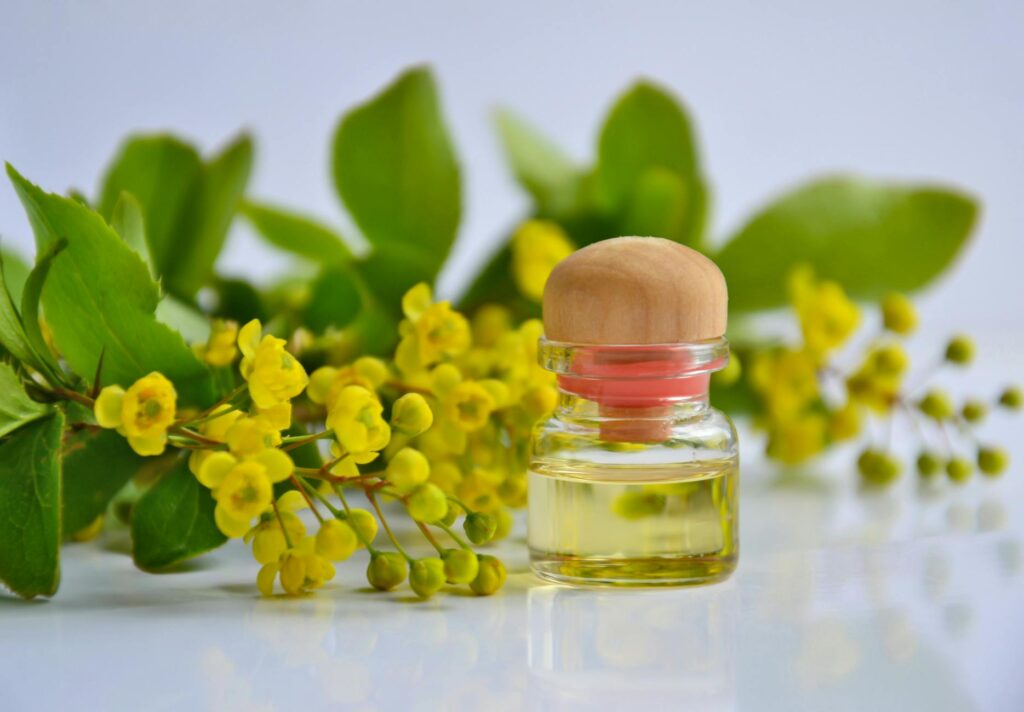
DIY aromatherapy involves creating personalized blends of essential oils to harness their therapeutic properties. Essential oils are concentrated plant extracts obtained through various methods, including steam distillation and cold pressing. When used thoughtfully, these oils can provide aromatic benefits and may help ease the symptoms of seasonal allergies.
Creating your own DIY recipes allows for customization based on individual preferences and specific allergy triggers. The process typically involves blending essential oils with a carrier oil or incorporating them into diffusers, sprays, or inhalers for easy application.
Key Benefits and Properties
1. Antihistamine Effects
Certain essential oils, such as lavender and peppermint, are believed to possess natural antihistamine properties. These oils can potentially help mitigate the body’s histamine response, which is often responsible for allergy symptoms.
2. Anti-Inflammatory Properties
Essential oils like eucalyptus and tea tree oil are known for their anti-inflammatory effects. Reducing inflammation in the respiratory tract may lead to improved breathing and reduced nasal congestion.
3. Immune System Support
Essential oils such as lemon and oregano are thought to support the immune system. A stronger immune response can be beneficial for those who suffer from frequent allergic reactions.
4. Emotional Well-Being
Aromatherapy can also promote emotional well-being. Scents like chamomile and bergamot may help reduce stress and anxiety levels, which can be heightened during allergy season.
Common Uses
1. Diffusion
Diffusing essential oils can create an aromatic atmosphere that may help alleviate allergy symptoms. Blending oils such as eucalyptus, lavender, and lemon in a diffuser can provide both respiratory and emotional benefits.
2. Inhalation
Direct inhalation of essential oils can have a rapid effect. Adding a few drops of an essential oil to a cotton ball or tissue and inhaling deeply can provide immediate relief.
3. Topical Application
When diluted with a carrier oil, essential oils can be applied to the skin. This method may be particularly effective for localized symptoms, such as sinus pressure.
4. Room Sprays
Creating a DIY room spray with essential oils can help purify the air and create a pleasant environment. This can be particularly beneficial in areas where allergens are prevalent.
Aromatherapy Applications
1. Essential Oil Blends for Diffusion
- Respiratory Relief Blend: Combine 3 drops of eucalyptus, 2 drops of peppermint, and 2 drops of lemon in a diffuser.
- Calming Blend: Mix 4 drops of lavender and 2 drops of chamomile in a diffuser for stress relief.
- Sinus Relief Inhaler: Add 5 drops of tea tree oil, 3 drops of eucalyptus oil, and 2 drops of peppermint oil to an inhaler wick. Inhale as needed.
- Allergy Relief Roll-On: Combine 10 ml of a carrier oil (such as jojoba or sweet almond) with 5 drops of lavender, 5 drops of lemon, and 5 drops of peppermint. Apply to pulse points or the chest.
- All-Natural Room Spray: Mix 1 cup of distilled water, 1 tablespoon of witch hazel, and 10-15 drops of your chosen essential oils. Shake well before use.
2. Inhalation Recipe
3. Topical Roll-On
4. DIY Room Spray
Safety Considerations
1. Dilution
Essential oils are highly concentrated and should always be diluted before topical application. A common dilution ratio is 1-2% for adults, which translates to approximately 1-2 drops of essential oil for every teaspoon (5 ml) of carrier oil.
2. Allergies and Sensitivities
Individuals should perform a patch test before using a new essential oil to check for allergic reactions. Discontinue use if irritation occurs.
3. Pregnancy and Nursing
Certain essential oils may not be safe during pregnancy or nursing. It is advisable to consult a qualified professional before use.
4. Children and Pets
Special care should be taken when using essential oils around children and pets. Some oils are contraindicated for young children or certain animals.
Storage and Shelf Life
1. Storage Conditions
Essential oils should be stored in a cool, dark place away from direct sunlight. This prevents degradation and preserves their beneficial properties.
2. Shelf Life
The shelf life of essential oils varies. Generally, citrus oils have a shorter shelf life (1-2 years), while oils like sandalwood and patchouli may last longer (up to 5 years or more). Always check for changes in aroma or consistency before use.
Frequently Asked Questions
1. Can essential oils completely cure seasonal allergies?
While essential oils can provide symptomatic relief, they are not a cure for seasonal allergies. It is essential to approach aromatherapy as a complementary practice.
2. How often can I use essential oils for allergy relief?
Usage frequency will vary based on individual tolerance and the specific method of application. For instance, diffusing oils can be done several times a day, while topical application should adhere to dilution guidelines.
3. Are there any essential oils that should be avoided during allergy season?
Some individuals may have sensitivities to specific oils, such as those derived from certain flowers. It is advisable to avoid oils that trigger your allergies.
4. Can I mix multiple essential oils together?
Yes, blending essential oils can enhance their therapeutic effects. However, ensure that the oils you choose complement each other and are safe for the intended use.
Conclusion
DIY aromatherapy with essential oils offers a natural approach to manage seasonal allergy symptoms. By understanding the properties and applications of various essential oils, individuals can create tailored recipes that may enhance their well-being. However, it is crucial to practice safety and moderation, ensuring that the chosen methods align with personal health considerations. As always, consulting a healthcare professional for persistent allergy symptoms is recommended. Embrace the potential of essential oils as a part of your holistic health journey, and enjoy the aromatic benefits they bring.