
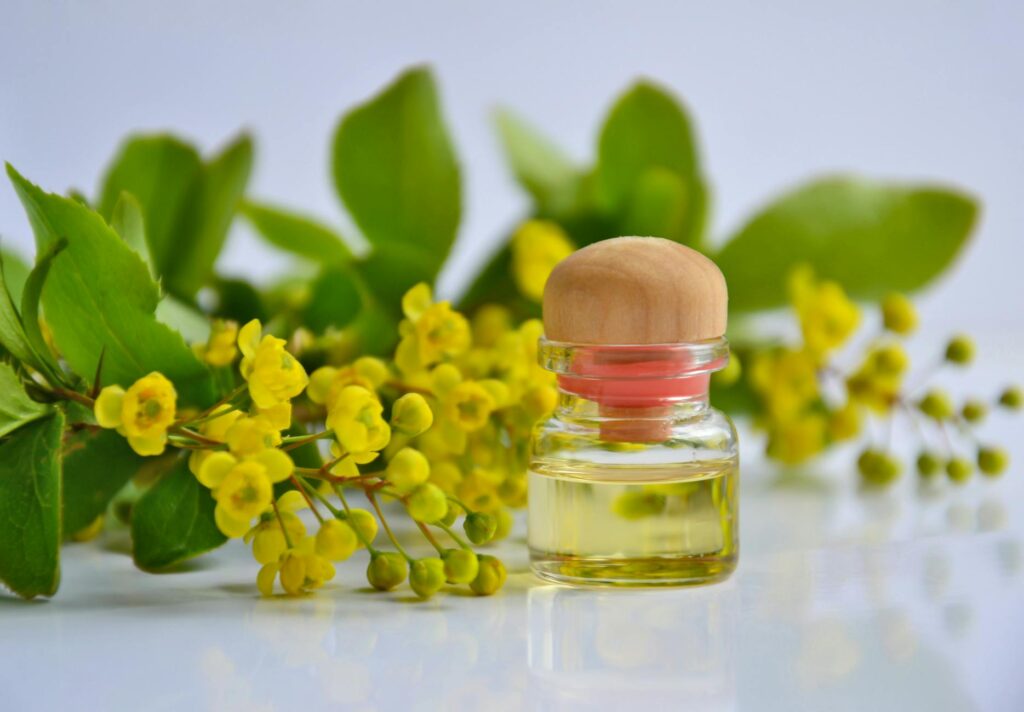
Health Benefits of DIY Aromatherapy Recipes for Seasonal Immune Strengthening
Introduction
As the seasons change, so do our bodies’ needs. The shift in temperature, humidity, and daylight can impact our immune systems and overall wellness. Essential oils, derived from various plants, have been utilized across cultures for their therapeutic properties. DIY aromatherapy recipes, particularly those aimed at strengthening immunity during seasonal transitions, can enhance well-being and provide comfort. This article delves into the benefits, applications, and considerations of using essential oils for immune support.
What Is DIY Aromatherapy Recipes for Seasonal Immune Strengthening?
DIY aromatherapy involves combining essential oils with carrier oils or other ingredients to create personalized blends tailored for specific needs. When focusing on seasonal immune strengthening, these recipes may include oils known for their antiviral, antibacterial, or immune-boosting properties.
Essential oils are concentrated extracts from plants, capturing their aromatic compounds and beneficial properties. By engaging in DIY aromatherapy, individuals can craft their own blends that may help bolster immune function during times when they may be more susceptible to illness.
Key Benefits and Properties
Immune Support
Many essential oils possess properties that can enhance immune function. Oils such as tea tree, eucalyptus, and lemon are often highlighted for their antimicrobial and antiviral effects. Incorporating these oils into your routine may support the body’s natural defenses.
Stress Relief
Seasonal changes can often bring about stress and anxiety. Aromatherapy has been linked to relaxation and mood enhancement. Oils like lavender and bergamot may help reduce stress levels, indirectly supporting immune health by promoting overall well-being.
Respiratory Health
During seasonal transitions, respiratory issues may arise due to allergens or changes in weather. Essential oils such as peppermint and eucalyptus can help clear airways and promote easier breathing, potentially alleviating discomfort associated with seasonal changes.
Antioxidant Properties
Certain essential oils, like rosemary and clove, contain antioxidant properties that can help combat oxidative stress. By incorporating these oils into your immune-boosting recipes, you may help protect the body from free radicals, contributing to overall health.
Common Uses
Diffusion
One of the most popular methods of using essential oils is through diffusers. By dispersing the aroma into the air, you create a therapeutic environment that can promote relaxation, improve mood, and potentially support immune health.
Topical Application
When diluted with a carrier oil, essential oils can be applied to the skin. Common areas include pulse points, feet, or the chest. This method can enhance absorption and provide localized benefits, particularly for respiratory support.
Inhalation
Directly inhaling essential oils from a bottle or cotton ball can offer immediate benefits. This method is particularly useful for oils that support respiratory health or reduce stress.
Bathing
Adding essential oils to a warm bath can create a soothing experience. This method helps relax both the mind and body while allowing the oils to be absorbed through the skin.
Household Cleaning
Essential oils can also be added to cleaning products for their antimicrobial properties. Incorporating oils like tea tree or lemon into your cleaning routine not only freshens the air but also helps maintain a healthy living environment.
Aromatherapy Applications
DIY Recipes
Here are several DIY recipes for seasonal immune strengthening:
Immune-Boosting Roller Blend
- Ingredients:
- 10 drops of tea tree oil
- 10 drops of lemon oil
- 5 drops of eucalyptus oil
- 2 tablespoons of carrier oil (e.g., jojoba or sweet almond oil)
- Instructions: Combine the essential oils with the carrier oil in a roller bottle. Apply to pulse points, such as the wrists or neck, as needed.
- Ingredients:
- 5 drops of peppermint oil
- 5 drops of eucalyptus oil
- 3 drops of lavender oil
- Instructions: Add the oils to a diffuser filled with water. Turn on the diffuser and enjoy the aromatic benefits.
- Ingredients:
- 5 drops of lavender oil
- 5 drops of bergamot oil
- 1 cup of Epsom salt
- Instructions: Mix the essential oils with Epsom salt and add to a warm bath. Soak for at least 20 minutes.
- Containers: Store essential oils in dark glass bottles to protect them from light, which can degrade their quality.
- Temperature: Keep oils in a cool, dry place, away from direct sunlight and heat sources.
- Shelf Life: The shelf life of essential oils varies. Generally, citrus oils have a shorter shelf life (1-2 years), while oils like sandalwood and patchouli can last for several years if stored properly. Always check for any changes in scent or consistency before use.
Respiratory Support Diffuser Blend
Stress Relief Bath
Safety Considerations
While essential oils are often safe when used correctly, several precautions should be taken:
1. Dilution: Essential oils are highly concentrated and should generally be diluted with a carrier oil before topical application to avoid skin irritation.
2. Patch Test: Conduct a patch test on a small area of skin to check for allergic reactions before using a new oil.
3. Avoid Sensitive Areas: Keep essential oils away from sensitive areas such as the eyes and mucous membranes.
4. Pregnancy and Nursing: Pregnant or nursing individuals should consult with a healthcare professional before using essential oils, as some oils may not be safe for use during these times.
5. Children and Pets: Some essential oils are not suitable for young children or pets. Always research and ensure safety when using oils in shared environments.
6. Quality of Oils: Use high-quality, pure essential oils from reputable sources. Synthetic oils may not provide the same benefits and could pose safety risks.
Storage and Shelf Life
Proper storage of essential oils is crucial for maintaining their efficacy. Here are some guidelines:
Frequently Asked Questions
Can essential oils cure illnesses?
Essential oils should not be viewed as a cure for illnesses. While they can support well-being and immune function, they are complementary to conventional medical treatments.
How often can I use DIY aromatherapy recipes?
The frequency of use can vary based on individual tolerance and the specific oils used. It is generally recommended to start with small amounts and monitor for any adverse reactions.
Are there any essential oils to avoid during pregnancy?
Yes, certain essential oils are not recommended during pregnancy, including but not limited to, clary sage, rosemary, and basil. Always consult a healthcare professional for advice tailored to your situation.
Can I use essential oils around my pets?
Caution is advised when using essential oils around pets, as some oils can be toxic to animals. Always research specific oils and consult with a veterinarian if unsure.
How can I learn more about essential oils?
Numerous resources, including books, online courses, and workshops, are available for those interested in learning more about essential oils and their applications. Always seek information from reputable sources.
Conclusion
DIY aromatherapy recipes for seasonal immune strengthening can be a valuable addition to your wellness routine. By understanding the key benefits, applications, and safety considerations, you can craft personalized blends that may enhance your well-being during seasonal transitions. As with any holistic practice, it is essential to approach aromatherapy with informed care and consideration.