
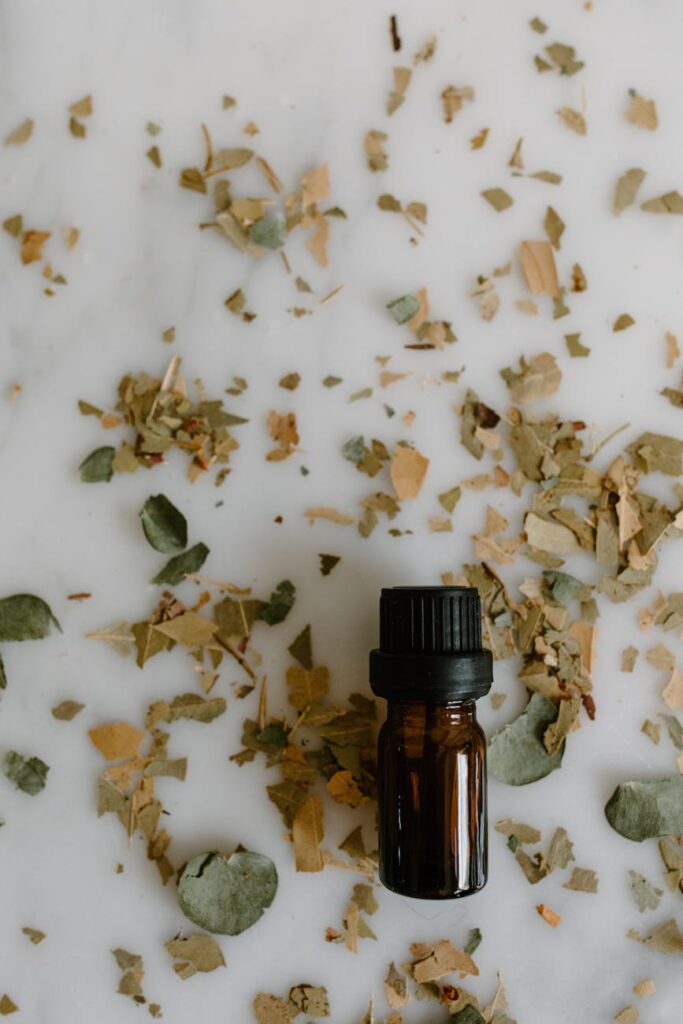
Health Benefits of DIY Aromatherapy Recipes for Seasonal Mood Support with Citrus Oils
Introduction
As the seasons shift, so too can our moods and emotional well-being. Many individuals find themselves experiencing fluctuations in energy levels and emotional states, particularly during transitional periods. Aromatherapy, the practice of using essential oils to enhance physical and emotional health, offers a natural approach to supporting mood during these times. Citrus oils, known for their uplifting and refreshing properties, are particularly effective in promoting a positive mindset. This article explores the concept of DIY aromatherapy recipes for seasonal mood support using citrus oils, highlighting their benefits, common uses, and practical applications.
What Is DIY Aromatherapy Recipes for Seasonal Mood Support with Citrus Oils?
DIY aromatherapy involves creating personalized blends of essential oils and carrier oils to address specific emotional or physical needs. Citrus oils, derived from the peels of fruits such as oranges, lemons, limes, and grapefruits, are celebrated for their vibrant scents and mood-enhancing properties. Incorporating these oils into seasonal mood-support recipes can create a tailored experience that aligns with individual preferences and emotional states.
Citrus oils are often characterized by their refreshing, energizing aromas, making them ideal for combating feelings of fatigue, sadness, or lethargy that may accompany seasonal changes. The DIY aspect allows individuals to experiment with different blends, creating unique formulations that resonate with their personal emotional landscapes.
Key Benefits and Properties
Citrus oils possess a variety of properties that contribute to their effectiveness in mood support:
1. Uplifting Aromas
The bright, zesty scents of citrus oils are known to elevate mood and promote feelings of happiness. Research has shown that inhaling citrus fragrances can stimulate the release of neurotransmitters like serotonin, which play a significant role in regulating mood.
2. Stress Reduction
Many citrus oils, such as bergamot and sweet orange, have calming properties that can alleviate feelings of stress and anxiety. The aroma of these oils can create a sense of tranquility, making them an excellent choice for seasonal mood support.
3. Energizing Effects
Citrus oils are often used to invigorate the senses and boost energy levels. Oils like grapefruit and lemon are particularly effective in combating feelings of fatigue or lethargy, making them suitable for those experiencing seasonal mood dips.
4. Antioxidant Properties
Citrus oils contain compounds that possess antioxidant properties, which may help combat oxidative stress in the body. While this is not directly related to mood, overall well-being can influence emotional health.
Common Uses
Citrus oils can be incorporated into various DIY aromatherapy recipes, catering to different preferences and lifestyles. Here are some common uses:
1. Diffusion
Using a diffuser is one of the simplest ways to enjoy the benefits of citrus oils. By dispersing the oil into the air, individuals can create an uplifting atmosphere that supports mood enhancement.
2. Topical Application
When diluted with a carrier oil, citrus oils can be applied to pulse points, such as wrists or behind the ears. This method allows for a more personal and intimate experience with the oils.
3. Bath Blends
Adding citrus oils to a warm bath can create a spa-like experience that promotes relaxation and rejuvenation. This is particularly beneficial during seasonal transitions when self-care is essential.
4. Room Sprays
DIY room sprays can be created by combining citrus oils with water and a small amount of alcohol to help disperse the oils. Spraying this blend in living spaces can uplift the environment and enhance mood.
Aromatherapy Applications
1. DIY Citrus Mood Booster Blend
Ingredients:
- 5 drops of sweet orange essential oil
- 3 drops of lemon essential oil
- 2 drops of bergamot essential oil
- 2 tablespoons of carrier oil (e.g., jojoba or almond oil)
- 10 drops of grapefruit essential oil
- 5 drops of lemon essential oil
- 1 cup of Epsom salt
- 1 tablespoon of carrier oil (optional)
- 10 drops of lime essential oil
- 10 drops of orange essential oil
- 1 cup of distilled water
- 1 tablespoon of vodka or rubbing alcohol
Instructions:
1. In a small bowl, mix the essential oils with the carrier oil.
2. Transfer the mixture to a roller bottle for easy application.
3. Apply to pulse points as needed throughout the day.
2. Energizing Citrus Bath Soak
Ingredients:
Instructions:
1. In a bowl, combine Epsom salt and essential oils.
2. If desired, add carrier oil to help disperse the oils in water.
3. Add the mixture to a warm bath and soak for at least 20 minutes for maximum benefit.
3. Citrus Room Spray
Ingredients:
Instructions:
1. In a spray bottle, combine all ingredients.
2. Shake well before each use and spray around the room to freshen the air.
Safety Considerations
While citrus oils offer numerous benefits, it is essential to use them safely:
1. Skin Sensitivity
Citrus oils can cause photosensitivity, particularly when exposed to sunlight. It is advisable to avoid applying these oils to the skin before sun exposure.
2. Dilution
Essential oils should be diluted with a carrier oil before topical application to reduce the risk of skin irritation. A general guideline is to use a dilution ratio of 2-3% for body applications.
3. Quality of Oils
Always select high-quality, pure essential oils from reputable sources. Synthetic fragrances may not provide the same benefits and can contain harmful chemicals.
4. Consult Professionals
If you are pregnant, nursing, or have specific health conditions, consult a qualified aromatherapist or healthcare provider before use.
Storage and Shelf Life
1. Storage
To maintain the potency of citrus oils, store them in a cool, dark place, away from direct sunlight. Amber or cobalt glass bottles are ideal for preserving the integrity of essential oils.
2. Shelf Life
Citrus oils generally have a shelf life of 1-2 years when stored properly. It is advisable to check for any changes in smell or consistency before use, as these can indicate degradation.
Frequently Asked Questions
1. Can I mix different citrus oils together?
Yes, blending different citrus oils can create unique scents and enhance the overall benefits. Experiment with combinations to find what resonates with you.
2. Are there any contraindications for using citrus oils?
Individuals with citrus allergies or sensitivities should avoid citrus oils. Additionally, those on certain medications should consult a healthcare provider before use.
3. How often can I use DIY aromatherapy recipes?
You can use DIY recipes as often as needed. However, be mindful of your body’s response and adjust usage accordingly.
4. Can children use citrus oils?
Citrus oils can be used with children, but it is important to dilute them appropriately and consult guidelines for age-appropriate usage.
5. Do citrus oils have any long-term benefits?
While immediate mood enhancement is often felt, regular use of citrus oils may contribute to overall emotional well-being and resilience over time.
Conclusion
Incorporating DIY aromatherapy recipes featuring citrus oils into your seasonal routine can provide significant mood support during transitional times. By harnessing the uplifting and energizing properties of these oils, individuals can create personalized experiences that foster emotional well-being. Whether through diffusion, topical application, or self-care rituals, citrus oils offer a vibrant and natural approach to enhancing mood and promoting a sense of balance, making them an invaluable addition to any aromatherapy practice.