
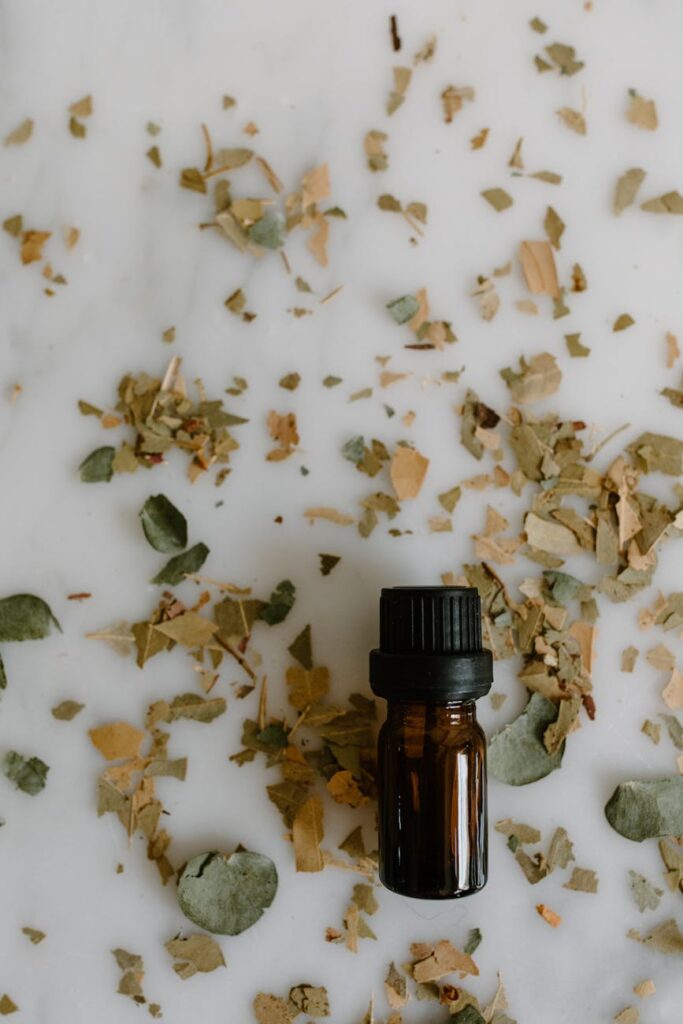
Health Benefits of DIY Aromatherapy Recipes for Seasonal Mood Support with Herbal Blends
Introduction
Aromatherapy, the practice of using essential oils and herbal blends to enhance physical and emotional well-being, has gained significant popularity in recent years. DIY aromatherapy offers individuals the opportunity to create personalized blends suited for their specific needs. Seasonal changes can impact mood, and integrating herbal blends into daily routines can provide support during these transitions. This article explores the essence of DIY aromatherapy recipes for seasonal mood support, outlining their benefits, common applications, and safety considerations.
What Is DIY Aromatherapy Recipes for Seasonal Mood Support with Herbal Blends?
DIY aromatherapy involves the creation of custom essential oil blends using natural plant extracts, which are then used to support emotional and physical health. Seasonal mood support refers to the use of these blends to alleviate seasonal affective disorder (SAD), anxiety, and other mood-related issues that can arise during specific times of the year, such as winter or spring. Herbal blends often include essential oils derived from flowers, herbs, and trees, each offering unique properties that can enhance mood and promote relaxation.
Key Benefits and Properties
Mood Enhancement
Many essential oils are known for their uplifting properties. Citrus oils like sweet orange and lemon can instill feelings of joy and energy, making them ideal for combating the winter blues. Conversely, grounding oils such as cedarwood and frankincense can provide calmness and support during periods of anxiety.
Stress Relief
Aromatherapy can significantly reduce stress levels. Oils like lavender and chamomile have calming effects, making them suitable for relaxation and stress relief. Utilizing these oils in conjunction with breathing exercises or meditation can enhance their effectiveness.
Improved Sleep Quality
Many people struggle with sleep issues during seasonal transitions. Essential oils such as bergamot and vetiver are renowned for their sedative properties, helping to promote a restful night’s sleep, which is crucial for overall well-being.
Support for Mental Clarity
Certain essential oils can enhance concentration and mental clarity. Oils like rosemary and peppermint are often used to improve focus and cognitive function, making them beneficial during periods of seasonal change when motivation may wane.
Common Uses
Diffusion
One of the most popular methods of using essential oils is through diffusion. A diffuser disperses essential oils into the air, creating an aromatic atmosphere that can uplift mood, promote relaxation, or invigorate the senses.
Topical Application
Diluting essential oils in carrier oils (such as jojoba or sweet almond oil) allows for safe topical application. This method can provide localized benefits, such as easing tension in the shoulders or promoting relaxation during a stressful day.
Bathing
Adding essential oils to bathwater can create a soothing experience that supports relaxation and stress relief. Epsom salts combined with essential oils can enhance the therapeutic effects of a warm bath.
Inhalation
Direct inhalation of essential oils from the bottle or a cotton ball can provide immediate mood support. This method is particularly useful for quick relief during stressful moments.
Aromatherapy Applications
Seasonal Blends
Creating seasonal blends can tailor the aromatherapy experience to the specific needs of the time of year. For example, a winter blend might include essential oils like pine, eucalyptus, and clary sage to evoke feelings of warmth and comfort, while a spring blend might incorporate uplifting oils like grapefruit, lemon, and jasmine to invigorate the senses.
Recipe Ideas
1. Winter Comfort Blend
- 3 drops of cedarwood
- 2 drops of sweet orange
- 2 drops of frankincense
- Diffuse or dilute in a carrier oil for massage.
- 3 drops of grapefruit
- 2 drops of peppermint
- 2 drops of bergamot
- Use in a diffuser or add to bathwater.
- 3 drops of lavender
- 2 drops of chamomile
- 2 drops of ylang-ylang
- Ideal for topical application or diffusion.
- 3 drops of vetiver
- 2 drops of sandalwood
- 2 drops of clary sage
- Use in inhalation or as a massage oil.
- Keep bottles tightly sealed when not in use.
- Use dark glass containers to protect oils from light.
- Store in a cool, dry location away from heat sources.
2. Spring Awakening Blend
3. Summer Serenity Blend
4. Autumn Grounding Blend
Safety Considerations
When engaging in DIY aromatherapy, safety is paramount. Essential oils are potent substances that should be used with care.
Dilution
Always dilute essential oils before applying them to the skin. A general guideline is to use a 2% dilution, which equates to about 12 drops of essential oil per ounce of carrier oil.
Skin Sensitivity
Conduct a patch test before using a new essential oil blend on the skin. Apply a small amount of diluted oil to a discreet area and wait 24 hours to see if any adverse reactions occur.
Avoiding Certain Oils
Some essential oils should be avoided during pregnancy or by individuals with specific health conditions. Research the oils you intend to use and consult reputable sources for guidance.
Storage
Store essential oils in a cool, dark place, away from direct sunlight, to preserve their potency and efficacy.
Storage and Shelf Life
The shelf life of essential oils can vary significantly based on their chemical composition. Typically, citrus oils have a shorter shelf life (1-2 years), while oils like sandalwood and patchouli can last for several years when stored correctly.
To maximize the shelf life of your essential oils:
Frequently Asked Questions
1. Can I mix different essential oils?
Yes, blending essential oils is a common practice in aromatherapy. However, it’s important to understand the properties of each oil and how they interact with one another to create a harmonious blend.
2. Are there any essential oils I should avoid?
Certain essential oils may cause adverse reactions in some individuals. Oils like cinnamon and clove can be irritating to the skin, while others may not be suitable for pregnant women. Always research and consult reliable sources before use.
3. How often can I use aromatherapy?
Aromatherapy can be used daily, but it is essential to listen to your body. If you experience any adverse reactions, reduce usage or discontinue use.
4. Are there any side effects of essential oils?
While essential oils are natural, they can still cause side effects, particularly when not used correctly. Possible side effects include skin irritation, allergic reactions, or headaches. Always perform a patch test and consult reliable resources for guidance.
5. How do I choose the right essential oils for my mood?
Choose essential oils based on their properties and how they make you feel. For uplifting mood, consider citrus oils; for relaxation, consider lavender or chamomile. Experimenting with different blends can help you discover what works best for you.
Conclusion
DIY aromatherapy recipes using herbal blends offer a unique and personalized approach to seasonal mood support. By harnessing the benefits of essential oils, individuals can enhance their emotional well-being and navigate the challenges that come with seasonal changes. With careful consideration of safety and storage, these aromatic practices can be seamlessly integrated into daily life, providing comfort and support throughout the year.