
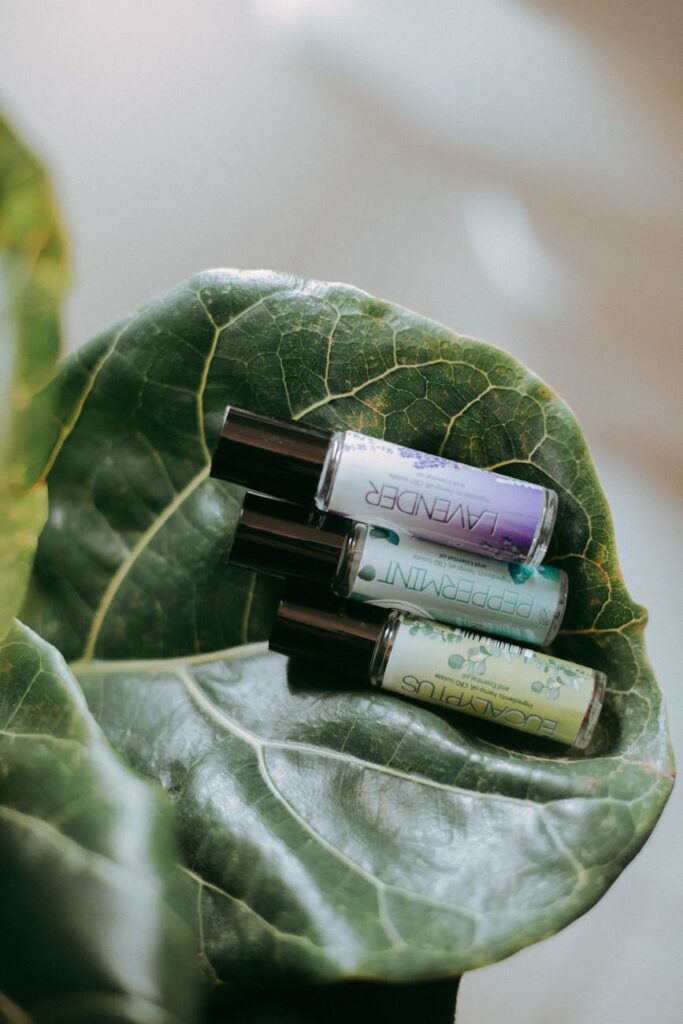
Health Benefits of DIY Aromatherapy Recipes for Seasonal Mood Support with Peppermint Oil
Introduction
Aromatherapy has gained significant popularity in recent years as a natural method for enhancing well-being and mood. Among the various essential oils available, peppermint oil stands out for its invigorating scent and unique properties. This article delves into the health benefits of DIY aromatherapy recipes that utilize peppermint oil specifically for seasonal mood support. By understanding its properties and applications, individuals can harness the power of this essential oil to enhance their emotional and mental well-being.
What Is DIY Aromatherapy Recipes for Seasonal Mood Support with Peppermint Oil?
DIY aromatherapy involves creating personalized blends and formulations using essential oils to address specific needs or preferences. Peppermint oil, derived from the leaves of the Mentha piperita plant, is renowned for its refreshing aroma and various therapeutic properties. Seasonal mood support refers to the use of such oils during particular times of the year—often when individuals may experience emotional fluctuations due to changes in weather, daylight, or routine.
Creating DIY recipes allows individuals to customize their aromatherapy experience, making it more effective and enjoyable. Whether you’re looking to uplift your spirits during the gray days of winter or invigorate your senses during the summer heat, peppermint oil offers versatile options for mood enhancement.
Key Benefits and Properties
Peppermint oil possesses several characteristics that contribute to its efficacy in mood support:
1. Uplifting Aroma: The fresh, minty scent of peppermint oil can stimulate the senses and promote feelings of alertness and vitality. This uplifting aroma may help alleviate feelings of fatigue or lethargy often experienced during seasonal changes.
2. Cognitive Clarity: Research suggests that peppermint oil can enhance cognitive performance and mental clarity. Its aroma may help improve focus and concentration, which can be particularly beneficial during periods of seasonal distractions.
3. Stress Relief: The calming effects of peppermint oil can also help mitigate feelings of stress and anxiety. Its crisp scent is believed to promote relaxation and create a sense of balance, making it a valuable tool for emotional support.
4. Physical Refreshment: The cooling sensation of peppermint oil can provide relief from physical discomfort, such as headaches or muscle tension, often exacerbated by seasonal changes. This physical refreshment can indirectly enhance mood by alleviating discomfort.
Common Uses
Peppermint oil can be incorporated into various DIY aromatherapy recipes and applications. Some of the most common uses include:
- Diffusion: Adding peppermint oil to a diffuser can help purify the air while simultaneously uplifting the atmosphere in a room.
- Topical Application: When diluted with a carrier oil, peppermint oil can be applied to pulse points or areas of tension for immediate relief.
- Bath Additive: Adding a few drops of peppermint oil to bathwater can create a soothing and refreshing experience, enhancing relaxation and mood.
- Inhalation: Direct inhalation of peppermint oil from the bottle or from a cotton ball can provide quick relief and stimulation when needed.
- 5 drops of peppermint oil
- 3 drops of sweet orange oil
- 2 drops of lavender oil
- Carrier oil (e.g., jojoba or almond oil)
- 10 drops of peppermint oil
- 5 drops of eucalyptus oil
- 1 cup of distilled water
- 1 tablespoon of witch hazel (optional)
- 5 drops of peppermint oil
- 1 cup of Epsom salt
- 1 teaspoon of carrier oil (e.g., coconut oil)
- 10 drops of peppermint oil
- 5 drops of rosemary oil
- Dilution: Always dilute peppermint oil with a carrier oil before topical application to avoid skin irritation. A typical dilution ratio is 2-3 drops of essential oil per teaspoon of carrier oil.
- Allergies: Conduct a patch test before using peppermint oil on the skin to check for any allergic reactions.
- Pregnancy and Nursing: Pregnant or nursing individuals should consult a healthcare provider before using essential oils.
- Medical Conditions: Individuals with certain medical conditions, especially those related to the respiratory system, should exercise caution and seek professional advice prior to use.
- Storage: Store peppermint oil in a cool, dark place, away from sunlight and heat. Use dark glass containers to protect the oil from light.
- Shelf Life: Essential oils generally have a shelf life of 1-3 years, depending on the type and storage conditions. Check for any changes in aroma or viscosity before use.
Aromatherapy Applications
When creating DIY recipes with peppermint oil for seasonal mood support, various methods can be employed:
1. Peppermint Mood Booster Blend
Ingredients:
Instructions:
1. In a small glass bottle, combine the essential oils.
2. Add the carrier oil to the mixture, filling the bottle.
3. Apply to pulse points (wrists, neck) as needed.
2. Refreshing Room Spray
Ingredients:
Instructions:
1. In a spray bottle, combine the essential oils and witch hazel (if using).
2. Add the distilled water and shake gently.
3. Use as a room spray to create an uplifting atmosphere.
3. Invigorating Bath Soak
Ingredients:
Instructions:
1. In a bowl, combine the Epsom salt and carrier oil.
2. Add the peppermint oil and mix well.
3. Pour the mixture into a warm bath and enjoy.
4. Focus and Clarity Inhaler
Ingredients:
Instructions:
1. Add the essential oils to a personal inhaler or cotton ball.
2. Inhale deeply whenever you need a mental boost.
Safety Considerations
While peppermint oil is generally safe for most individuals, certain precautions should be taken:
Storage and Shelf Life
Proper storage is essential to maintain the potency and quality of peppermint oil and DIY blends:
Frequently Asked Questions
Q: Can peppermint oil be used in cooking?
A: While peppermint oil is food-grade and can be used in cooking, it is highly concentrated. Use it sparingly and ensure that it is specifically labeled for culinary use.
Q: Is peppermint oil safe for children?
A: Peppermint oil may not be suitable for young children. It is advisable to consult a healthcare provider for guidance on age-appropriate use.
Q: Can I mix peppermint oil with other essential oils?
A: Yes, peppermint oil blends well with various essential oils, including citrus oils, lavender, and eucalyptus. Experimenting with combinations can create unique and effective blends.
Q: How can I tell if peppermint oil is of high quality?
A: Look for pure, therapeutic-grade peppermint oil that is sourced from reputable suppliers. Check for certifications and standardized testing for purity.
Conclusion
DIY aromatherapy recipes using peppermint oil can provide a refreshing and uplifting experience, particularly during seasonal changes. By understanding its benefits and applications, individuals can create personalized blends that support emotional well-being and enhance their overall quality of life. As with any natural remedy, it is essential to approach the use of essential oils with knowledge and care, ensuring the best possible outcomes for mood support and mental clarity.