
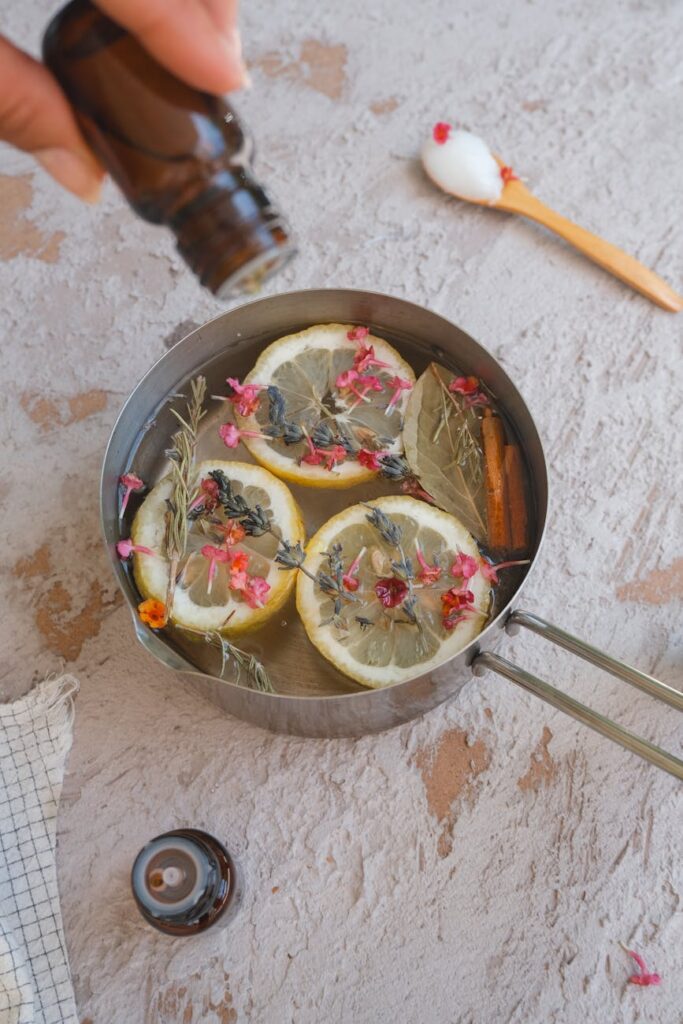
Health Benefits of DIY Aromatherapy Recipes for Seasonal Mood Support with Spice Oils
Introduction
As the seasons change, so do our moods and emotional states. Many individuals experience fluctuations in their emotional well-being, often influenced by environmental factors such as light, temperature, and even seasonal allergies. Aromatherapy, particularly when combined with the warm, comforting qualities of spice oils, can be a delightful and effective way to support mood during these transitions. This article explores the fundamentals of DIY aromatherapy recipes using spice oils, their benefits, common uses, and safety considerations.
What Are DIY Aromatherapy Recipes for Seasonal Mood Support with Spice Oils?
DIY aromatherapy recipes refer to custom formulations created at home using essential oils, carrier oils, and other natural ingredients. Spice oils, derived from aromatic plants such as cinnamon, ginger, cardamom, and clove, are particularly beneficial for mood support. These oils are known for their warming, uplifting, and sometimes grounding effects, making them ideal for seasonal mood enhancement.
Seasonal mood support through aromatherapy employs the therapeutic properties of essential oils to promote emotional balance and well-being. By tailoring recipes to individual needs, users can create a personalized approach to support their emotional health during challenging times.
Key Benefits and Properties
1. Uplifting Effects
Many spice oils have uplifting properties that can help alleviate feelings of sadness or lethargy. Oils like cinnamon and clove are known for their stimulating effects, encouraging a sense of warmth and vitality.
2. Grounding Qualities
Certain spice oils, such as ginger and cardamom, possess grounding properties that can help stabilize emotions. This can be particularly helpful during transitional seasons when feelings may be unsettled.
3. Stress Relief
Spice oils can also be effective in reducing stress and anxiety. Their comforting aromas can create a sense of safety and calm, making them useful for those feeling overwhelmed.
4. Invigorating and Energizing
Spice oils are often invigorating, helping to boost energy levels and enhance focus. This can be especially beneficial during the darker months when energy levels may naturally dip.
5. Aromatic Comfort
The warm and familiar scents of spice oils can evoke feelings of comfort and nostalgia. This emotional connection can provide support during times of change, helping to create a sense of stability.
Common Uses
1. Diffusion
One of the most popular ways to experience the benefits of spice oils is through diffusion. Adding a few drops of your chosen spice oil blend into a diffuser can fill a room with uplifting aromas.
2. Topical Application
When blended with a carrier oil, spice oils can be applied to the skin, allowing for direct absorption. This method is particularly effective for localized support, such as tension relief in the shoulders.
3. Bath Soaks
Adding spice oils to a warm bath can create a soothing and relaxing experience. The combination of heat and aroma can enhance mood and promote a sense of well-being.
4. Inhalation
Simply inhaling the aroma of spice oils from the bottle or a cotton ball can provide immediate mood support. This method is useful for on-the-go relief.
5. Natural Candles and Sprays
Creating homemade candles or room sprays using spice oils can infuse your environment with comforting scents, enhancing the atmosphere of your space.
Aromatherapy Applications
DIY Recipe Ideas
1. Spice Blend Diffuser Recipe
- Ingredients: 4 drops cinnamon oil, 3 drops clove oil, 2 drops ginger oil, and 1 drop cardamom oil.
- Instructions: Add the essential oils to a diffuser filled with water and run for 30 minutes to uplift the room’s ambiance.
- Ingredients: 3 drops cinnamon oil, 2 drops ginger oil, and 2 tablespoons of carrier oil (such as sweet almond or jojoba oil).
- Instructions: Mix the oils and add to a warm bath. Soak for 20 minutes for a relaxing experience.
- Ingredients: 5 drops cardamom oil, 5 drops ginger oil, 10 ml carrier oil (such as fractionated coconut oil).
- Instructions: Combine in a roller bottle and apply to pulse points for an energizing effect.
- Ingredients: 10 drops clove oil, 5 drops cinnamon oil, 1 cup distilled water, and 1 tablespoon witch hazel.
- Instructions: Mix ingredients in a spray bottle and shake well before use. Spray in the air to create a warm environment.
- Dilution: Always dilute essential oils with a carrier oil before applying them to the skin. This helps prevent irritation and enhances safety.
- Patch Test: Conduct a patch test on a small area of skin before using a new essential oil to check for any adverse reactions.
- Avoid Sensitive Areas: Keep spice oils away from sensitive areas, including the eyes and mucous membranes.
- Pregnancy and Nursing: Pregnant or nursing individuals should consult a healthcare provider before using essential oils.
- Children and Pets: Use caution when diffusing or applying essential oils around children and pets, as some oils may not be safe for them.
- Dark Glass Containers: Store essential oils in dark glass bottles to protect them from light, which can degrade their quality.
- Cool, Dry Place: Keep oils in a cool, dry place, away from direct sunlight and heat sources.
- Check Expiration Dates: Essential oils do have a shelf life, typically ranging from 1 to 3 years, depending on the oil. Check for changes in scent or consistency before use.
2. Soothing Bath Soak
3. Energy-Boosting Roll-On
4. Comforting Room Spray
Safety Considerations
While spice oils can offer a variety of benefits, it is essential to use them safely. Here are some guidelines:
Storage and Shelf Life
Proper storage of spice oils is vital to maintain their effectiveness and aroma. Here are some tips for optimal storage:
Frequently Asked Questions
1. Can I use spice oils if I have allergies?
Individuals with allergies should exercise caution and consult with a healthcare provider before using essential oils.
2. What carrier oils are best for diluting spice oils?
Common carrier oils include sweet almond oil, jojoba oil, coconut oil, and grapeseed oil. Choose one based on your skin type and preference.
3. How often can I use these recipes?
You can use these recipes as often as needed, but it’s essential to listen to your body and avoid overuse.
4. Are there any oils I should avoid mixing with spice oils?
Generally, it’s best to avoid mixing spice oils with oils that have strong medicinal or citrus scents, as they can alter the aroma and efficacy of the blend.
5. Can I use spice oils in cooking?
While some spice oils are safe for culinary use, others are not. Always check the oil’s specifications and consult reliable sources before using essential oils in food.
Conclusion
Embracing DIY aromatherapy recipes with spice oils can provide a wonderful avenue for seasonal mood support. Their unique properties can uplift, ground, and soothe emotional states, making them valuable allies during transitional times. By understanding their benefits, applications, and safety considerations, individuals can craft personalized experiences that enhance their emotional well-being. Whether through diffusion, topical application, or soothing baths, the natural richness of spice oils offers a comforting embrace for the soul.