
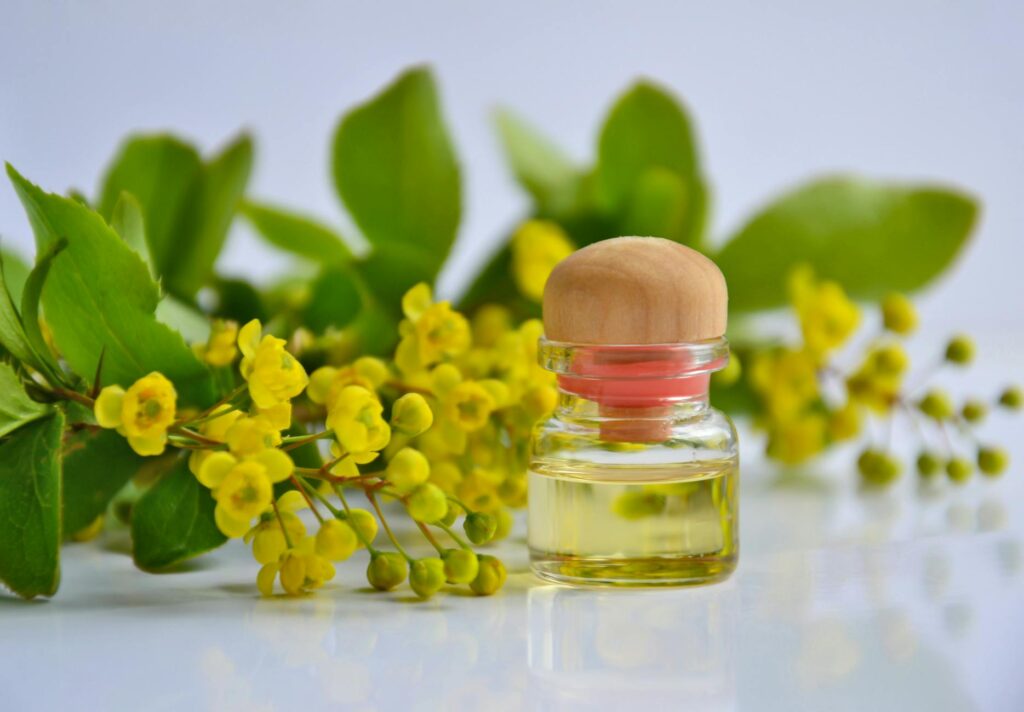
Health Benefits of DIY Aromatherapy Recipes for Seasonal Skin Hydration
Introduction
As the seasons change, so do the needs of our skin. The transition from warm, humid weather to cooler, drier conditions can leave the skin feeling parched and in need of extra care. One effective approach to combat seasonal skin dryness is through the use of DIY aromatherapy recipes that harness the hydrating properties of essential oils. This article explores the concept of DIY aromatherapy for skin hydration, highlighting its benefits, common uses, applications, and safety considerations.
What Is DIY Aromatherapy Recipes for Seasonal Skin Hydration?
DIY aromatherapy involves creating personalized blends of essential oils and carrier oils to address various skin concerns, including hydration. Essential oils, extracted from plants, carry unique properties that can enhance skin health when combined with carrier oils like jojoba, almond, or coconut oil. These recipes not only provide moisture but also infuse the skin with the aromatherapeutic benefits of the chosen essential oils.
Seasonal skin hydration recipes can be adapted to suit individual preferences or specific skin types. They typically involve a combination of hydrating ingredients and essential oils known for their soothing and nourishing properties.
Key Benefits and Properties
1. Hydration: Many carrier oils are rich in fatty acids, which help to lock in moisture and create a protective barrier on the skin, preventing water loss.
2. Soothing Properties: Essential oils such as lavender and chamomile possess anti-inflammatory properties that can help calm irritated skin.
3. Antioxidant Effects: Oils like rosehip and pomegranate seed are rich in antioxidants, which can help protect the skin from environmental stressors.
4. Aromatic Benefits: The aromatic compounds in essential oils can promote relaxation and emotional well-being, enhancing the overall experience of skincare.
5. Customizability: DIY recipes allow individuals to tailor their skincare to their specific needs, whether it be for hydration, soothing irritation, or improving skin elasticity.
Common Uses
DIY aromatherapy recipes for skin hydration can be utilized in various forms, including:
- Facial Serums: A concentrated blend of essential and carrier oils that can be applied directly to the face for deep hydration.
- Body Oils: A lighter formulation designed for applying to larger areas of the body, ideal for post-shower hydration.
- Balms and Butters: A thicker consistency that provides a protective layer on the skin, suitable for areas prone to dryness.
- Hydrating Mists: A refreshing spray that can be used throughout the day for an instant moisture boost.
- 2 tablespoons of jojoba oil (carrier oil)
- 5 drops of lavender essential oil
- 5 drops of frankincense essential oil
- 3 drops of rose essential oil
- 3 tablespoons of sweet almond oil (carrier oil)
- 10 drops of geranium essential oil
- 5 drops of ylang-ylang essential oil
- 5 drops of sandalwood essential oil
- 1/4 cup of shea butter
- 2 tablespoons of coconut oil
- 5 drops of chamomile essential oil
- 5 drops of tea tree essential oil
- 1/2 cup of distilled water
- 2 tablespoons of witch hazel
- 5 drops of peppermint essential oil
- 5 drops of rose essential oil
- Storage Conditions: Store oils and blends in a cool, dark place, away from direct sunlight and heat to prolong shelf life.
- Glass Containers: Use dark glass containers to protect the oils from light exposure.
- Shelf Life: Generally, most DIY oils can last up to 6-12 months if stored correctly. However, always check for any changes in smell or consistency before use.
Aromatherapy Applications
Creating Your Own Hydrating Recipes
Here are some simple DIY recipes to get started:
1. Hydrating Facial Serum
Ingredients:
Instructions: Combine all ingredients in a small glass dropper bottle. Shake gently to mix. Apply a few drops to clean skin daily, focusing on areas that need extra hydration.
2. Nourishing Body Oil
Ingredients:
Instructions: In a glass bottle, combine the oils and mix well. Massage into the skin after a shower for optimal absorption.
3. Soothing Balm
Ingredients:
Instructions: Melt shea butter and coconut oil together in a double boiler. Remove from heat, add essential oils, and stir. Pour into a small container and allow to cool. Apply as needed to dry areas.
4. Hydrating Mist
Ingredients:
Instructions: Combine all ingredients in a spray bottle. Shake well before each use and spray onto the face for a quick refresh.
Safety Considerations
When engaging in DIY aromatherapy, it is important to consider the following:
1. Dilution: Essential oils are highly concentrated and should always be diluted in a carrier oil before applying to the skin to avoid irritation.
2. Patch Test: Conduct a patch test by applying a small amount of the mixture to a discreet area of skin to check for allergic reactions or sensitivity.
3. Quality of Ingredients: Use high-quality essential oils and carrier oils. Look for oils that are 100% pure and organic whenever possible.
4. Avoid Certain Oils: Some essential oils, such as citrus oils, can increase photosensitivity. Avoid using these before sun exposure.
5. Consultation: If you have specific skin conditions or concerns, consult a dermatologist or skincare professional before trying new recipes.
Storage and Shelf Life
DIY aromatherapy products should be stored properly to maintain their efficacy:
Frequently Asked Questions
Can I customize these recipes further?
Absolutely! Feel free to experiment with different essential oils and carrier oils that suit your skin type and personal preferences.
Are there specific essential oils best for winter skin?
Yes, oils like geranium, lavender, and sandalwood are particularly beneficial during colder months due to their hydrating and soothing properties.
Can I use these recipes on sensitive skin?
While many individuals with sensitive skin can benefit from DIY recipes, it’s essential to conduct a patch test and choose gentle essential oils like chamomile and lavender.
How often should I apply these products?
The frequency of application can vary depending on individual skin needs. Generally, facial serums can be applied once or twice daily, while body oils and balms can be used as needed.
Are there any essential oils to avoid during pregnancy?
Yes, certain essential oils are deemed unsafe during pregnancy. Always consult a healthcare professional for guidance on safe essential oils.
Conclusion
DIY aromatherapy recipes for seasonal skin hydration offer a natural and customizable approach to skincare. By harnessing the benefits of essential oils and carrier oils, individuals can create nourishing blends that not only hydrate but also enhance overall well-being. With proper care and consideration, these homemade recipes can become an integral part of your seasonal skincare routine, ensuring your skin remains healthy and radiant throughout the year.