
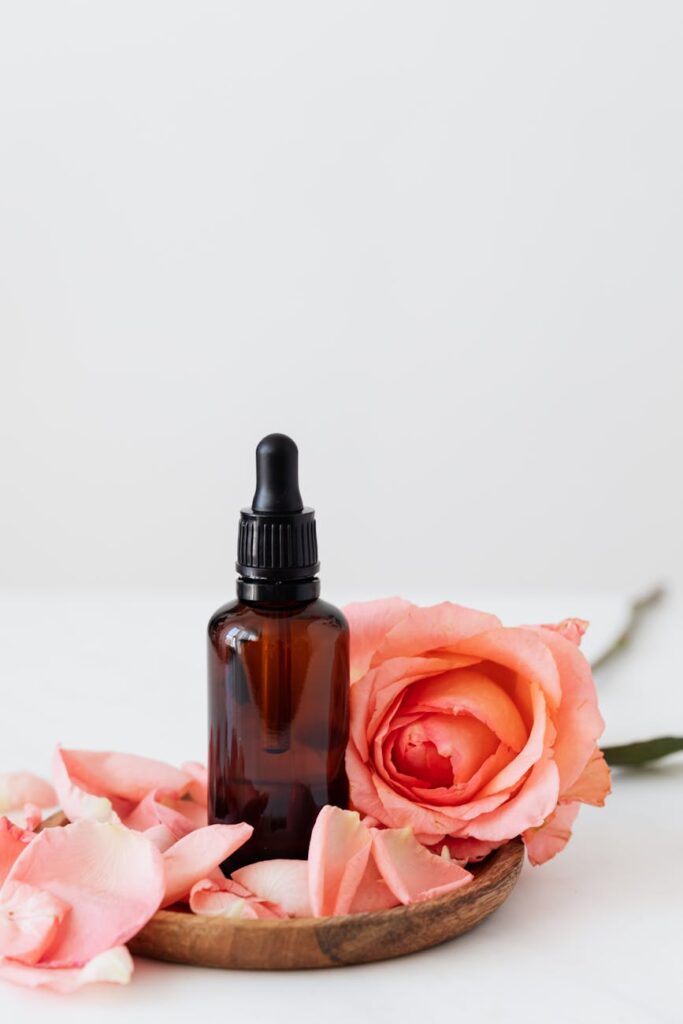
Health Benefits of DIY Aromatherapy Recipes for Self-Care with Rose Oil
Introduction
Aromatherapy, the practice of using essential oils for therapeutic purposes, has gained popularity as a method of self-care. Among the myriad of essential oils available, rose oil—extracted from the petals of the Rosa damascena and Rosa centifolia—has been cherished for centuries, not only for its captivating fragrance but also for its potential health benefits. This article explores the various dimensions of DIY aromatherapy recipes featuring rose oil, offering insights into its properties, applications, and safety considerations.
What Is DIY Aromatherapy Recipes for Self-Care with Rose Oil?
DIY aromatherapy involves creating personalized blends of essential oils for self-care practices. Rose oil is often included in these recipes due to its rich aromatic profile and versatile applications. The process typically involves blending rose oil with carrier oils, other essential oils, or natural ingredients to formulate products that can enhance emotional well-being, promote relaxation, and contribute to overall health.
Ingredients and Tools Required
To create DIY aromatherapy recipes, you will need:
- Essential Oils: Primarily rose oil, but may include other complementary oils like lavender, bergamot, or sandalwood.
- Carrier Oils: Such as jojoba oil, sweet almond oil, or coconut oil.
- Additional Ingredients: Herbal infusions, floral waters, or natural preservatives.
- Tools: Glass mixing bowls, measuring spoons, droppers, and dark glass storage bottles.
- Emotional Balance: Often associated with feelings of love and compassion, rose oil can help alleviate feelings of stress, anxiety, and depression.
- Skin Care: Known for its anti-inflammatory and antimicrobial properties, rose oil may support skin health by helping to reduce redness and irritation.
- Hormonal Regulation: Some believe that rose oil can aid in balancing hormones, making it a popular choice during menstrual cycles or menopause.
- Anti-Aging: Rose oil is frequently included in skincare formulations due to its ability to promote skin elasticity and reduce the appearance of scars and fine lines.
- 2 tablespoons jojoba oil
- 5 drops rose oil
- 3 drops lavender oil
- 1/4 cup coconut oil
- 10 drops rose oil
- 5 drops chamomile oil
- 1/2 cup sweet almond oil
- 10 drops rose oil
- 5 drops sandalwood oil
- 1 cup distilled water
- 10 drops rose oil
- 5 drops bergamot oil
- Dilution: Always dilute essential oils in a carrier oil before applying to the skin to minimize the risk of irritation.
- Patch Test: Conduct a patch test on a small area of skin to check for any allergic reactions before using a new blend.
- Pregnancy and Nursing: Consult a healthcare professional before using essential oils during pregnancy or while nursing.
- Phototoxicity: Although rose oil is not phototoxic, some essential oils are. When blending, ensure that you are aware of any potential interactions.
- Storage: Store rose oil and blends in dark glass bottles to protect them from light and heat. Keep them in a cool, dry place.
- Shelf Life: Rose oil typically has a shelf life of 1 to 2 years, depending on the quality and how it is stored. Always check for any changes in scent or appearance before use.
Key Benefits and Properties
Rose oil is renowned for its soothing and uplifting properties. Some of its key benefits include:
Common Uses
Rose oil can be incorporated into various DIY recipes tailored for self-care. Here are some common uses:
1. Facial Serums: Blending rose oil with a carrier oil can create a nourishing serum that hydrates and revitalizes the skin.
2. Bath Oils: Adding rose oil to bath water can create a relaxing experience, enhancing emotional well-being.
3. Massage Oils: A mixture of rose oil in a carrier oil can be used for therapeutic massage, promoting relaxation.
4. Diffusers: Combining rose oil with other essential oils in an aromatherapy diffuser can create a calming atmosphere.
5. Room Sprays: A simple room spray made with rose oil can freshen up living spaces while providing a soothing aroma.
Aromatherapy Applications
DIY Rose Oil Recipes
Here are a few simple DIY recipes that showcase the versatility of rose oil:
1. Rose Facial Serum
Ingredients:
Instructions:
1. Combine all ingredients in a small glass bottle.
2. Shake gently to mix.
3. Apply a few drops to clean skin in the morning and evening.
2. Calming Rose Bath Oil
Ingredients:
Instructions:
1. Melt coconut oil if solid.
2. Mix in rose and chamomile oils.
3. Add to a warm bath for relaxation.
3. Rose Massage Oil
Ingredients:
Instructions:
1. Combine all oils in a dark glass bottle.
2. Shake well before use.
3. Apply during a massage for calming effects.
4. Rose Room Spray
Ingredients:
Instructions:
1. Combine water and essential oils in a spray bottle.
2. Shake well before each use.
3. Spray in your room to create a soothing atmosphere.
Safety Considerations
While rose oil is generally considered safe for most individuals, certain precautions should be followed:
Storage and Shelf Life
Proper storage of rose oil and DIY blends is crucial to maintaining their efficacy. Here are some guidelines:
Frequently Asked Questions
1. Can I use rose oil directly on my skin?
It is recommended to dilute rose oil in a carrier oil before applying it to the skin to avoid irritation.
2. Is rose oil safe for sensitive skin?
While many find rose oil beneficial, individuals with sensitive skin should conduct a patch test first and consult a healthcare professional if unsure.
3. Can I use rose oil in a diffuser?
Yes, rose oil can be used in an aromatherapy diffuser. It blends well with other calming oils like lavender and chamomile.
4. What other oils pair well with rose oil?
Rose oil pairs well with various essential oils, including lavender, bergamot, sandalwood, and frankincense.
5. How often can I use rose oil?
Usage depends on individual preference and skin sensitivity. Generally, using diluted rose oil daily for self-care is acceptable.
Conclusion
DIY aromatherapy recipes featuring rose oil provide a delightful and beneficial way to enhance self-care practices. With its rich historical significance and a multitude of potential benefits, rose oil can be easily incorporated into various formulations, promoting emotional and physical well-being. However, always prioritize safety and storage considerations to maximize the benefits of this cherished essential oil. Embrace the aromatic journey that rose oil offers, and let it enrich your self-care rituals.