
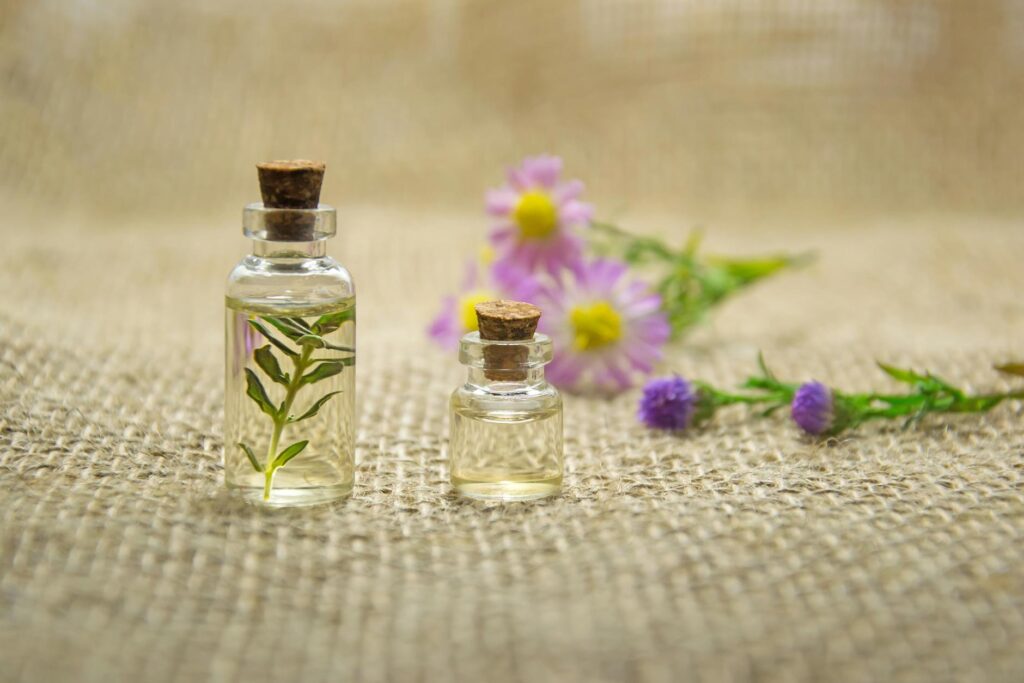
Health Benefits of DIY Aromatherapy Recipes for Skin Care and Nourishment
Introduction
Aromatherapy, the practice of using essential oils extracted from plants for therapeutic purposes, has gained popularity in recent years, particularly in the realm of skin care and nourishment. DIY (do-it-yourself) aromatherapy recipes allow individuals to create personalized skincare products that not only enhance beauty but also promote overall well-being. This article explores the benefits of DIY aromatherapy recipes for skin care, their key properties, common uses, safety considerations, and more.
What Is DIY Aromatherapy Recipes for Skin Care and Nourishment?
DIY aromatherapy recipes for skin care involve the blending of essential oils with carrier oils, herbal infusions, and other natural ingredients to create customized products. These recipes can range from facial oils and serums to body scrubs and moisturizers. The primary aim is to harness the therapeutic properties of essential oils, which can enhance skin health, provide nourishment, and promote a sense of relaxation and well-being.
Key Benefits and Properties
1. Nourishing and Hydrating
Many essential oils have moisturizing properties that can help to nourish and hydrate the skin. For instance, oils like jojoba and sweet almond are rich in fatty acids, making them excellent carriers for essential oils. When combined, they can help maintain skin moisture levels, resulting in a softer and more supple texture.
2. Antioxidant Protection
Essential oils such as lavender, rosemary, and frankincense possess antioxidant properties that can combat free radicals. This protection against oxidative stress is crucial in preventing signs of aging, such as fine lines and wrinkles, and can promote a youthful appearance.
3. Anti-Inflammatory Effects
Certain essential oils, including tea tree oil and chamomile, are known for their anti-inflammatory properties. These oils can help soothe irritated skin, reducing redness and promoting a more even complexion.
4. Antimicrobial Properties
Many essential oils exhibit antimicrobial properties, making them effective in treating and preventing skin infections. Oils like tea tree and eucalyptus are known for their ability to combat bacteria and fungi, contributing to clearer skin.
5. Mood Enhancement
The aromatic qualities of essential oils can have psychological benefits. Scents such as bergamot and ylang-ylang can uplift mood and reduce stress, making the act of applying skincare products a soothing ritual.
Common Uses
1. Facial Oils and Serums
DIY facial oils can be tailored to individual skin types. For oily skin, a blend of tea tree oil with a non-comedogenic carrier oil, such as argan oil, may help control excess sebum production. For dry skin, a mixture of lavender and rose essential oil with a heavier carrier, like avocado oil, can provide deep nourishment.
2. Body Scrubs
Aromatherapy body scrubs can be created using sugar or salt mixed with essential oils. A blend of grapefruit and peppermint can invigorate and refresh, while a mix of vanilla and lavender can provide a calming experience.
3. Moisturizers
DIY moisturizers can incorporate essential oils that match the skin’s needs. For instance, geranium and sandalwood essential oils combined with shea butter can create a rich, hydrating cream suitable for dry or aging skin.
4. Bath Blends
Adding essential oils to bathwater can transform an ordinary bath into a luxurious spa experience. Oils like eucalyptus and rosemary can invigorate the senses, while lavender and chamomile can promote relaxation.
5. Spot Treatments
For targeted treatment of blemishes, essential oils like tea tree can be diluted with a carrier oil and applied directly to problem areas.
Aromatherapy Applications
1. Inhalation
Inhaling essential oils can provide mental clarity and relaxation. This can be achieved through diffusers, steam inhalation, or simply adding a few drops to a bowl of hot water.
2. Topical Application
Topical application involves applying diluted essential oils directly on the skin. This method allows for targeted treatment and benefits, such as localized nourishment and soothing effects.
3. Massages
Incorporating essential oils into massage oils can provide both physical and emotional benefits. The blend of touch and aroma can enhance relaxation and relieve muscle tension.
4. Compresses
Aromatherapy compresses can be made by soaking a cloth in a mixture of water and essential oils. These can be applied to sore areas or used to soothe skin irritations.
Safety Considerations
While essential oils are generally safe when used correctly, there are several safety considerations to keep in mind:
1. Dilution
Essential oils are highly concentrated and should always be diluted with a carrier oil before topical application to prevent skin irritation or allergic reactions.
2. Patch Testing
Before using a new essential oil, it is advisable to perform a patch test to check for any adverse reactions. Apply a small amount of the diluted oil to a discreet area of skin and wait 24 hours to see if any irritation occurs.
3. Avoiding Sensitive Areas
Avoid applying essential oils near sensitive areas, such as the eyes and mucous membranes, as these can cause irritation.
4. Pregnancy and Nursing
Certain essential oils may not be safe for pregnant or nursing women. It is important to consult with a healthcare provider before using any essential oils during these times.
5. Children and Pets
Some essential oils can be harmful to children and pets. Always research the safety of specific oils before use in households with young children or animals.
Storage and Shelf Life
To ensure the longevity and efficacy of essential oils and DIY aromatherapy products, proper storage is essential:
1. Dark Glass Containers
Store essential oils and DIY creations in dark glass containers to protect them from light, which can degrade their quality.
2. Cool, Dry Place
Keep products in a cool, dry location away from direct sunlight and heat sources. This will help preserve their potency.
3. Shelf Life
Essential oils generally have a shelf life of 1-3 years, depending on the type. Carrier oils may have shorter shelf lives and should be used within 6-12 months of opening. Regularly check for any changes in smell, color, or consistency, which may indicate spoilage.
Frequently Asked Questions
1. Can I use essential oils directly on my skin?
No, essential oils should always be diluted with a carrier oil before applying them to the skin to prevent irritation.
2. How do I choose the right essential oil for my skin type?
Consider your skin’s specific needs. For oily skin, look for oils such as tea tree or lavender. For dry skin, oils like rose or chamomile may be beneficial.
3. Can I use essential oils during pregnancy?
Some essential oils are not recommended during pregnancy. Consult a healthcare provider for guidance on safe oils to use.
4. How often can I use DIY aromatherapy products?
Frequency of use depends on the type of product and individual skin tolerance. Start with small amounts to assess how your skin reacts.
5. Can essential oils expire?
Yes, essential oils can expire. Always check for changes in smell, color, or consistency, and store them properly to extend shelf life.
Conclusion
DIY aromatherapy recipes for skin care and nourishment offer a holistic approach to skincare that emphasizes natural ingredients and individual customization. By understanding the properties and benefits of essential oils, individuals can create effective and personalized skincare products that cater to their unique needs. As with any holistic practice, it is essential to approach aromatherapy with knowledge and care, ensuring a safe and enjoyable experience.