
Health Benefits of DIY Aromatherapy Recipes for Skin Healing with Tea Tree Oil
Introduction
Aromatherapy has gained popularity as a holistic approach to well-being, utilizing essential oils extracted from plants to promote physical and emotional health. Among these, tea tree oil (Melaleuca alternifolia) is particularly renowned for its skin-healing properties. This article explores the concept of DIY aromatherapy recipes using tea tree oil specifically for skin healing, delving into its benefits, common applications, and safety considerations.
What Is DIY Aromatherapy Recipes for Skin Healing with Tea Tree Oil?
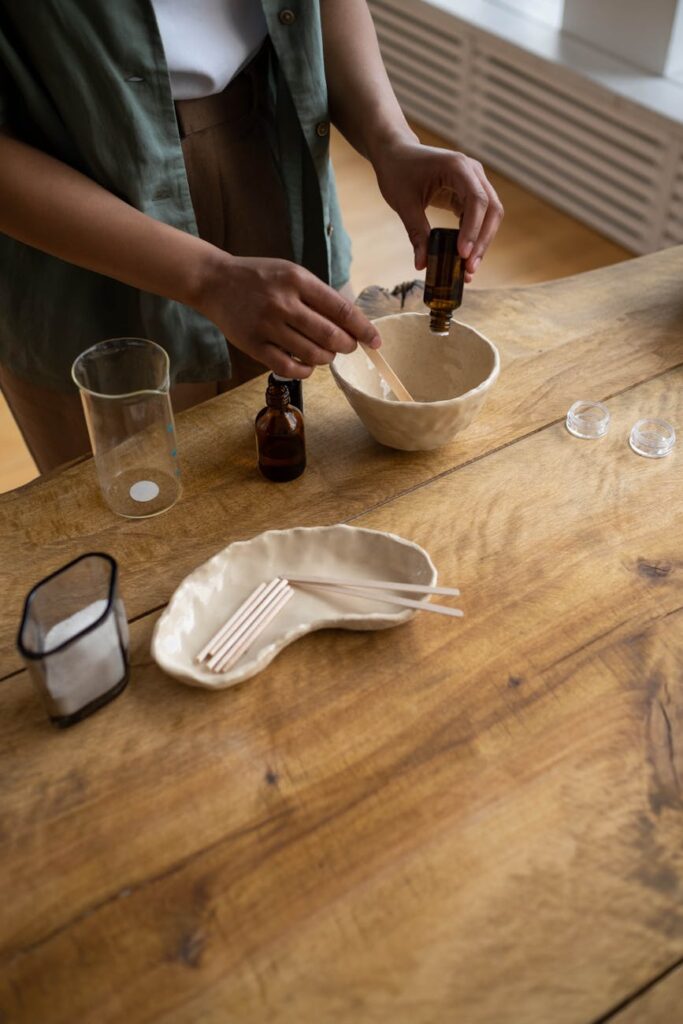
DIY aromatherapy recipes involve the creation of personalized blends using essential oils combined with carrier oils, other natural ingredients, and sometimes additional essential oils to enhance their therapeutic effects. Tea tree oil, native to Australia, is derived from the leaves of the Melaleuca tree. It is celebrated for its antiseptic, anti-inflammatory, and antimicrobial properties, making it a popular choice for various skin concerns.
Creating your own aromatherapy recipes allows individuals to tailor treatments to their specific skin needs, harnessing the potent properties of tea tree oil in conjunction with other supportive ingredients. This flexibility fosters a deeper connection with the natural world and encourages self-care rituals.
Key Benefits and Properties
Tea tree oil is rich in compounds such as terpinen-4-ol, which is primarily responsible for its therapeutic effects. Here are some of the key benefits and properties associated with tea tree oil:
Antiseptic Properties
Tea tree oil is known for its ability to inhibit the growth of bacteria, fungi, and viruses. This makes it effective in preventing infections in minor cuts, abrasions, and insect bites.
Anti-inflammatory Effects
The oil possesses anti-inflammatory properties that can help soothe irritated skin and reduce redness, making it beneficial for conditions like acne and eczema.
Antimicrobial Activity
With its broad-spectrum antimicrobial activity, tea tree oil can help manage various skin infections, including fungal infections like athlete’s foot and ringworm.
Skin Regeneration
Tea tree oil is believed to promote skin healing by encouraging cell regeneration, which can be helpful for scars, blemishes, and other skin imperfections.
Astringent Qualities
As a natural astringent, tea tree oil can help tighten skin and reduce the appearance of pores, contributing to a smoother complexion.
Common Uses
Tea tree oil is utilized in various DIY recipes aimed at addressing specific skin concerns. Here are some common uses:
Acne Treatment
Due to its antibacterial properties, tea tree oil is often used in acne treatments. It can help reduce breakouts and prevent future occurrences when applied topically.
Wound Care
Tea tree oil can be mixed with a carrier oil and applied to minor cuts and scrapes to help prevent infection and promote healing.
Eczema Relief
The anti-inflammatory effects of tea tree oil can be harnessed in recipes aimed at alleviating the itchiness and redness associated with eczema.
Foot Care
Tea tree oil is frequently used in foot soaks and sprays to combat athlete’s foot and odor, utilizing its antifungal properties.
Aromatherapy Applications
DIY recipes can be created for various applications, including topical treatments, bath products, and room sprays. Here are some examples:
1. Acne Treatment Serum
Ingredients:
- 2 tablespoons of jojoba oil (carrier oil)
- 3 drops of tea tree oil
- 1 drop of lavender oil (optional)
- 1 tablespoon of coconut oil (carrier oil)
- 2 drops of tea tree oil
- 1 drop of chamomile essential oil (optional)
- 2 tablespoons of shea butter (carrier oil)
- 2 drops of tea tree oil
- 1 drop of frankincense oil (optional)
- 1 cup of Epsom salt
- 5 drops of tea tree oil
- 5 drops of peppermint oil (optional)
- Dilution: Always dilute tea tree oil with a carrier oil before applying it to the skin to prevent irritation or allergic reactions.
- Patch Testing: Conduct a patch test by applying a small amount of the diluted oil to a discreet area of skin to check for any adverse reactions.
- Avoid Sensitive Areas: Do not apply tea tree oil near the eyes, mucous membranes, or open wounds.
- Pregnancy and Nursing: Consult a healthcare professional before using tea tree oil if pregnant or nursing, as its effects in these contexts are not well studied.
- Children: Exercise caution when using tea tree oil on children and consult a pediatrician for guidance.
- Storage Conditions: Keep tea tree oil in a cool, dark place, away from direct sunlight and heat sources. Use dark glass containers to protect the oil from light.
- Shelf Life: When stored properly, tea tree oil can last for several years. However, once mixed into a DIY recipe, the shelf life may vary based on the carrier oils and other ingredients used. Generally, homemade products can last for 6 months to 1 year if stored correctly.
Instructions:
1. In a small glass bottle, combine jojoba oil and tea tree oil.
2. If desired, add lavender oil for its calming properties.
3. Shake well before each use.
4. Apply a small amount to affected areas twice daily.
2. Healing Wound Balm
Ingredients:
Instructions:
1. Melt coconut oil in a double boiler until liquid.
2. Remove from heat and add tea tree oil and chamomile oil.
3. Allow the mixture to cool and solidify.
4. Apply to minor cuts and scrapes as needed.
3. Eczema Relief Cream
Ingredients:
Instructions:
1. Melt shea butter in a double boiler.
2. Mix in tea tree oil and frankincense oil.
3. Let cool, then whip with a hand mixer until fluffy.
4. Apply to affected areas as needed.
4. Foot Soak
Ingredients:
Instructions:
1. Mix Epsom salt with essential oils in a bowl.
2. Dissolve the mixture in warm water for a foot soak.
3. Soak feet for 15-20 minutes to refresh and combat odor.
Safety Considerations
While tea tree oil is generally considered safe for topical use, it is essential to take certain precautions:
Storage and Shelf Life
To preserve the potency of tea tree oil and DIY recipes, proper storage is essential:
Frequently Asked Questions
1. Can tea tree oil be used directly on the skin?
It is recommended to dilute tea tree oil with a carrier oil before applying it directly to the skin to minimize the risk of irritation.
2. Is tea tree oil safe for all skin types?
While tea tree oil is generally safe, individuals with sensitive skin or allergies should perform a patch test before using it widely.
3. Can I use tea tree oil for my hair?
Yes, tea tree oil can also be beneficial for scalp health and dandruff. It can be added to shampoos or used in hair masks when diluted properly.
4. How do I know if my tea tree oil is pure?
Choose high-quality tea tree oil from reputable brands, ideally organic and with a clear indication of purity. Look for oils that are 100% pure and free from additives.
5. Can tea tree oil help with fungal infections?
Tea tree oil’s antifungal properties make it a popular choice for addressing fungal infections, including athlete’s foot and nail fungus. However, consult a healthcare professional for persistent issues.
Conclusion
DIY aromatherapy recipes using tea tree oil offer a natural and effective approach to skin healing. With its diverse benefits and applications, tea tree oil can be a valuable addition to your skincare regimen. By creating personalized blends tailored to individual needs, individuals can harness the power of nature in their self-care routines while fostering a deeper connection with their overall well-being. Always remember to practice safety and mindfulness when exploring the world of essential oils.