
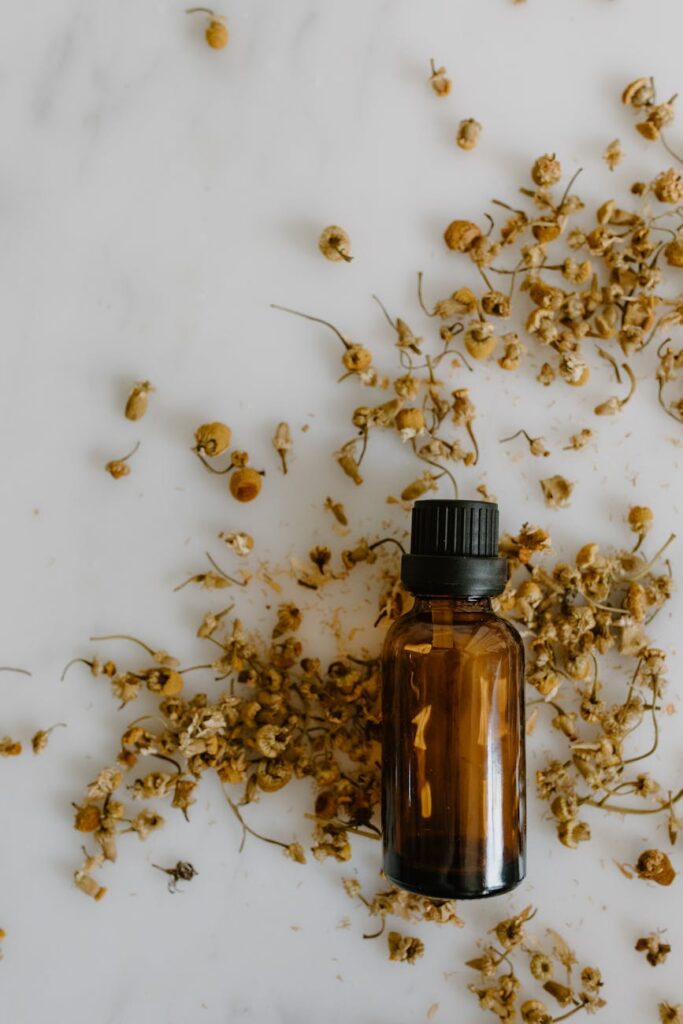
Health Benefits of DIY Aromatherapy Recipes for Sleep Support with Chamomile Oil
Introduction
Aromatherapy, the practice of using essential oils to promote physical and psychological well-being, has gained popularity in recent years. Among various essential oils, chamomile oil stands out due to its soothing and calming properties. This article explores the health benefits of DIY aromatherapy recipes for sleep support using chamomile oil. We will delve into its key benefits, common uses, applications, safety considerations, and more, offering a comprehensive guide for those interested in harnessing the power of chamomile for better sleep.
What Is DIY Aromatherapy Recipes for Sleep Support with Chamomile Oil?
DIY aromatherapy recipes are formulations made at home using essential oils, carrier oils, and other natural ingredients. Chamomile oil, derived from the flowers of the chamomile plant (Matricaria chamomilla), is particularly known for its calming effects, making it an ideal choice for those seeking improved sleep quality. By blending chamomile oil with other complementary essential oils or ingredients, individuals can create personalized blends tailored to their preferences and needs, facilitating a more restful and rejuvenating sleep experience.
Key Benefits and Properties
Chamomile oil offers a variety of benefits that make it a valuable addition to sleep support routines. Here are some of its key properties:
1. Calming Effects: Chamomile oil is renowned for its ability to reduce anxiety and promote relaxation. Its soothing aroma can help calm the mind, making it easier to drift off to sleep.
2. Sleep Induction: The gentle sedative properties of chamomile oil can help facilitate the onset of sleep, particularly for those struggling with insomnia or restless nights.
3. Improved Sleep Quality: Regular use of chamomile oil may contribute to deeper, more restorative sleep cycles, enhancing overall sleep quality.
4. Anti-inflammatory Properties: Chamomile contains compounds that may help reduce inflammation, which can contribute to discomfort and disrupted sleep.
5. Support for Digestive Health: Chamomile is traditionally known for its digestive benefits. A relaxed stomach can contribute to improved sleep, particularly for those who experience discomfort that affects their rest.
Common Uses
Chamomile oil can be employed in various forms within DIY aromatherapy recipes. Here are some common uses:
1. Sleep Blends: Chamomile oil can be combined with other sleep-promoting essential oils like lavender or bergamot to create a calming blend.
2. Bedtime Sprays: A simple spray made with chamomile oil, water, and a few drops of alcohol can be spritzed onto pillows or bedding to promote relaxation.
3. Massage Oils: Infusing chamomile oil into a carrier oil, such as sweet almond or jojoba oil, allows for soothing massages that may help relieve tension before bed.
4. Bath Soaks: Adding chamomile oil to a warm bath can enhance relaxation and prepare the mind and body for sleep.
5. Diffusers: Utilizing a diffuser to disperse chamomile oil in the air can create a tranquil atmosphere conducive to sleep.
Aromatherapy Applications
Incorporating chamomile oil into your sleep support routine can be done in several effective ways:
1. Diffusion
Using an essential oil diffuser is one of the simplest methods to enjoy the benefits of chamomile oil. Fill the diffuser with water, add a few drops of chamomile oil, and let the aroma fill your space. This method allows for a continuous release of the calming scent, creating a serene environment ideal for winding down.
2. Aromatic Bath
Transform your bath into a relaxation haven by adding chamomile oil to warm water. Combine 5-10 drops of chamomile oil with a carrier oil to help the essential oil disperse evenly in the water. Soak for at least 20 minutes, allowing the calming properties to envelop you.
3. Pillow Spray
Create a bedtime pillow spray by combining chamomile oil with distilled water and a small amount of alcohol (such as vodka) in a spray bottle. Shake well before each use, and lightly mist your pillow to encourage relaxation and improve sleep quality.
4. Massage
To create a calming massage oil, mix chamomile oil with a carrier oil. Use this blend for a gentle massage on the neck, shoulders, and back before bedtime. The tactile sensation combined with the aroma can significantly enhance relaxation.
5. Inhalation
For a quick calming effect, place a few drops of chamomile oil on a tissue or cotton ball and inhale deeply. This method is particularly useful during stressful moments when you need immediate relaxation.
Safety Considerations
While chamomile oil is generally considered safe for most individuals, some precautions should be taken:
1. Allergic Reactions: Individuals with allergies to plants in the Asteraceae family, such as ragweed, may experience allergic reactions to chamomile oil. It is advisable to perform a patch test before widespread use.
2. Pregnancy and Breastfeeding: Pregnant or breastfeeding individuals should consult a healthcare professional before using chamomile oil, as some essential oils may not be recommended during these periods.
3. Dilution: Essential oils are potent and should always be diluted in a carrier oil before topical application to avoid skin irritation.
4. Essential Oil Quality: Ensure you are using high-quality, pure chamomile oil from a reputable source. Adulterated oils may contain harmful additives or synthetic compounds.
5. Consultation: If you have underlying health conditions or are taking medications, consult a healthcare professional before incorporating chamomile oil into your routine.
Storage and Shelf Life
Proper storage of chamomile oil is essential to maintain its potency and efficacy. Here are some tips:
1. Cool, Dark Place: Store chamomile oil in a cool, dark place away from direct sunlight. Exposure to light and heat can degrade the oil’s quality.
2. Tightly Sealed Containers: Ensure that the bottle is tightly sealed when not in use to prevent oxidation and contamination.
3. Shelf Life: Chamomile oil typically has a shelf life of about 1 to 3 years, depending on storage conditions and oil quality. Always check for changes in color, consistency, or scent before use.
Frequently Asked Questions
1. Can I use chamomile oil every night?
Yes, many individuals find chamomile oil beneficial for nightly use. However, it is essential to listen to your body and adjust usage as needed.
2. How do I know if chamomile oil is pure?
Look for essential oils that are labeled as 100% pure and organic. High-quality oils often provide information about the extraction method and botanical species.
3. Can I use chamomile oil on my skin?
Yes, chamomile oil can be used on the skin when properly diluted with a carrier oil. Always perform a patch test to check for sensitivity.
4. Is chamomile oil safe for children?
Chamomile oil can be used for children, but it is crucial to dilute it correctly and consult with a healthcare professional to determine the appropriate dosage and application method.
5. Can I mix chamomile oil with other essential oils?
Yes, chamomile oil blends well with various essential oils, including lavender, bergamot, and sandalwood. Experimenting with different combinations can create a personalized aromatic experience.
Conclusion
Chamomile oil offers a soothing and effective option for enhancing sleep quality through DIY aromatherapy. Its calming properties, combined with various application methods, make it a versatile tool for promoting rest and relaxation. By understanding its benefits, uses, and safety considerations, individuals can effectively incorporate chamomile oil into their nightly routines, paving the way for more restful and restorative sleep. Whether through diffusion, massage, or bath soaks, the gentle aroma of chamomile can transform your bedtime experience into a peaceful ritual.