
Health Benefits of DIY Aromatherapy Recipes for Sleep Support with Jasmine Oil
Introduction
Sleep is an essential component of overall health and well-being. Many individuals struggle with sleep disturbances, leading to a search for natural solutions. Aromatherapy, the practice of using essential oils for therapeutic benefits, has gained popularity as a holistic approach to promoting relaxation and enhancing sleep quality. Among various essential oils, Jasmine (Jasminum officinale) stands out for its soothing properties and fragrant allure. This article explores the health benefits of DIY aromatherapy recipes for sleep support utilizing Jasmine oil, providing insights into its properties, applications, and safety considerations.
What Is DIY Aromatherapy Recipes for Sleep Support with Jasmine Oil?
DIY aromatherapy involves creating personalized blends of essential oils to achieve specific outcomes, such as relaxation and improved sleep. Jasmine oil, derived from the delicate white flowers of the Jasmine plant, is prized for its enchanting scent and therapeutic properties. As a central ingredient in sleep-supporting recipes, Jasmine oil can be combined with other essential oils and carrier oils to enhance its effectiveness and create a calming atmosphere conducive to restful sleep.
Key Benefits and Properties
Jasmine oil possesses several characteristics that make it particularly beneficial for sleep support:
1. Relaxation and Stress Relief
Jasmine oil is known for its calming properties, which can help alleviate anxiety and reduce stress levels. The sweet, floral scent is often associated with feelings of tranquility and comfort, making it an ideal choice for promoting relaxation before bedtime.
2. Mood Enhancement
The aroma of Jasmine has been shown to have uplifting effects on mood. Its scent can stimulate feelings of joy and contentment, helping to combat negative emotions that may interfere with sleep.
3. Sleep Induction
Many people report that Jasmine oil helps them fall asleep faster and improves the quality of their sleep. Its sedative properties may contribute to a more restful night, making it a popular choice for those seeking natural sleep aids.
4. Hormonal Balance
Jasmine oil is believed to have a balancing effect on hormones, particularly in women. This property can be beneficial during times of hormonal fluctuations, such as menstrual cycles or menopause, when sleep disturbances may occur.
Common Uses
Jasmine oil can be integrated into various DIY aromatherapy recipes aimed at promoting sleep. Here are some common uses:
1. Diffuser Blends
Adding a few drops of Jasmine oil to a diffuser can create a soothing ambiance in the bedroom. Combining it with complementary oils like Lavender or Bergamot can enhance relaxation.
2. Sleep Pillow Spray
A DIY pillow spray made with Jasmine oil can help create a calming environment. The gentle mist can be applied to pillows and bedding to encourage restful sleep.
3. Bath Soaks
Incorporating Jasmine oil into a warm bath can create a luxurious and soothing experience. The heat and aroma can help relax the body and mind, preparing for a peaceful night’s rest.
4. Massage Oils
Creating a massage oil blend with Jasmine and a carrier oil can provide a relaxing, tactile experience. Massaging the oil into the skin can help ease tension and promote relaxation.
Aromatherapy Applications
1. Essential Oil Diffusion
Diffusing Jasmine oil in a room can envelop the space with its calming aroma. To create a sleep-supporting blend, combine 3 drops of Jasmine oil with 3 drops of Lavender and 2 drops of Chamomile in a diffuser filled with water.
2. Pillow and Linen Spray
To make a simple pillow and linen spray, mix 1 cup of distilled water with 10-15 drops of Jasmine oil in a spray bottle. Shake well and lightly mist your pillows and linens before bedtime.
3. Relaxing Bath Soak
Add 5-10 drops of Jasmine oil to a warm bath along with Epsom salts. This combination can help relieve muscle tension while the aroma calms the mind.
4. Massage Blend
Combine 2 tablespoons of a carrier oil, such as sweet almond or jojoba oil, with 5-7 drops of Jasmine oil. Use this blend for a soothing pre-sleep massage.
Safety Considerations
While Jasmine oil is generally safe for most individuals, it is essential to consider the following safety guidelines:
1. Dilution
Essential oils should always be diluted with a carrier oil when applied directly to the skin to avoid irritation. A typical dilution ratio is 2-3 drops of essential oil per teaspoon of carrier oil.
2. Patch Test
Before using Jasmine oil on the skin, conduct a patch test to check for any allergic reactions. Apply a small amount of the diluted oil to a discreet area and wait 24 hours for any adverse reactions.
3. Pregnancy and Nursing
Pregnant or nursing individuals should consult a healthcare professional before using Jasmine oil, as the effects of essential oils on pregnancy and lactation are not fully understood.
4. Children and Pets
Keep Jasmine oil and all essential oils out of reach of children and pets. Consult a veterinarian before using essential oils around pets, as some oils can be toxic to animals.
Storage and Shelf Life
To maintain the efficacy of Jasmine oil and other essential oils, proper storage is crucial. Here are some guidelines:
1. Storage Conditions
Store Jasmine oil in a cool, dark place away from direct sunlight. Essential oils are sensitive to heat and light, which can degrade their quality over time.
2. Container Type
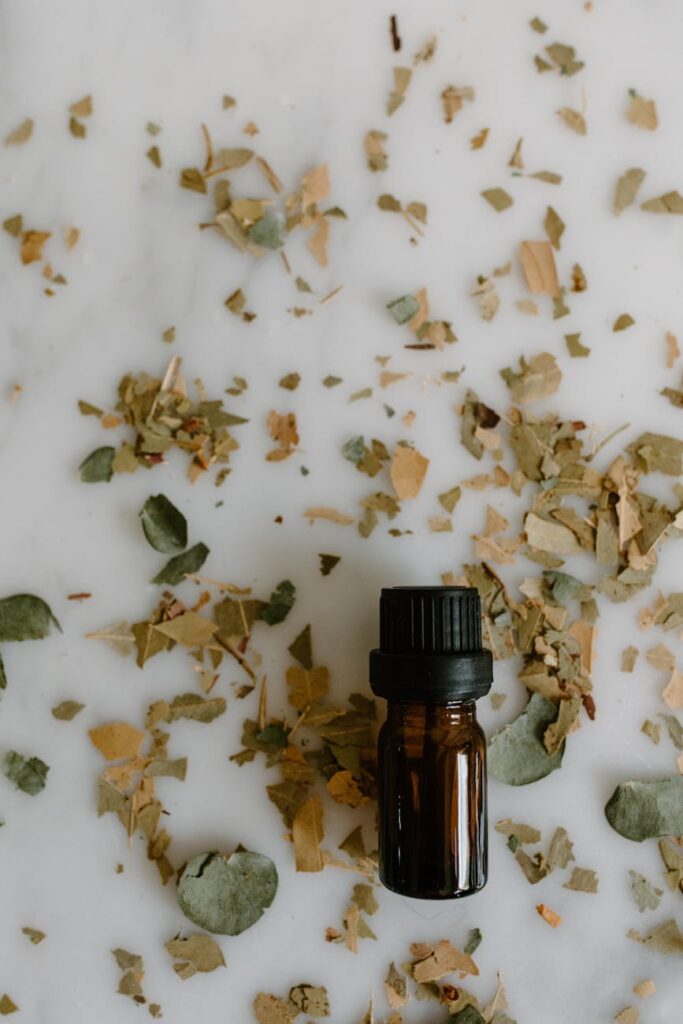
Use amber or cobalt blue glass bottles for storage, as these types of containers protect the oil from light exposure.
3. Shelf Life
The shelf life of Jasmine oil can vary, but it typically lasts for 1-3 years when stored properly. Always check for changes in aroma or consistency before use.
Frequently Asked Questions
1. Can Jasmine oil be used for other purposes besides sleep support?
Yes, Jasmine oil is versatile and can be used for various purposes, including skincare, mood enhancement, and even as a natural aphrodisiac.
2. What are some essential oils that blend well with Jasmine?
Jasmine oil blends well with several other essential oils, including Lavender, Bergamot, Sandalwood, and Frankincense, making it easy to create personalized aromatherapy combinations.
3. How often can I use Jasmine oil?
Jasmine oil can be used daily; however, it is advisable to monitor your body’s response. If any irritation or adverse reactions occur, discontinue use and consult a professional.
4. Is Jasmine oil safe for everyone?
While Jasmine oil is generally considered safe, individuals with specific medical conditions, pregnant or nursing women, and those with sensitive skin should seek professional guidance before use.
5. What is the best method to experience the benefits of Jasmine oil?
The best method depends on individual preferences. Diffusing, topical applications, and incorporating it into bath rituals are all effective ways to enjoy Jasmine oil’s benefits.
Conclusion
DIY aromatherapy recipes featuring Jasmine oil offer a delightful and natural approach to promoting sleep and relaxation. By understanding its properties, benefits, and applications, individuals can create personalized blends that enhance their nighttime routines. As with any holistic practice, it’s essential to approach aromatherapy with respect and mindfulness, considering safety guidelines and individual sensitivities. Embracing the calming essence of Jasmine oil may very well lead to a more restful night’s sleep and improved overall well-being.