
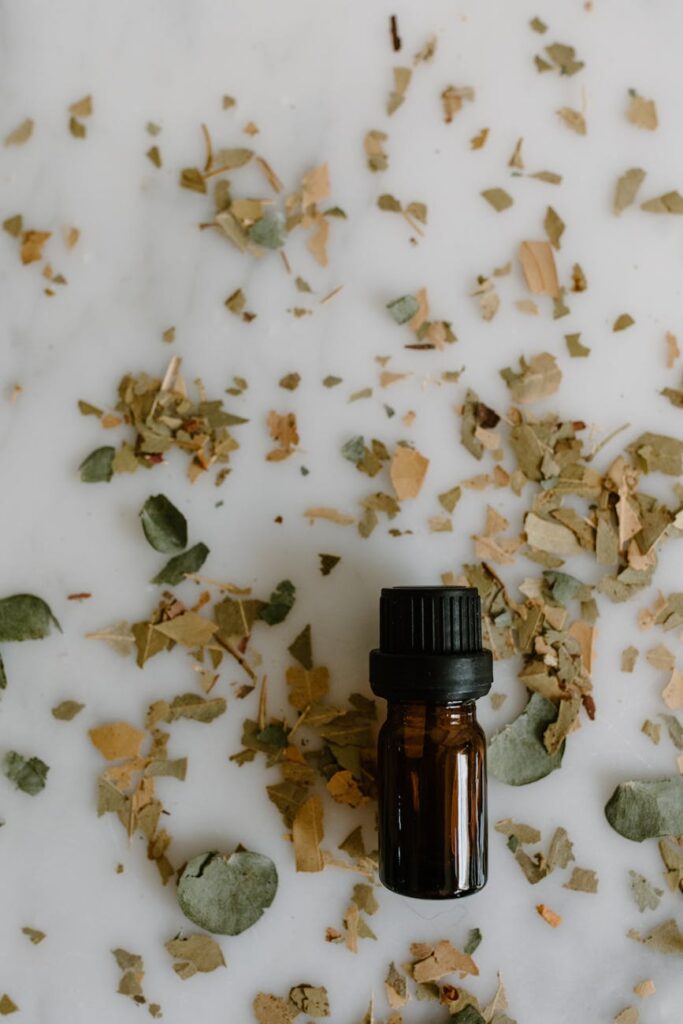
Health Benefits of DIY Aromatherapy Recipes for Sleep Support with Neroli Oil
Introduction
In our fast-paced, modern lifestyles, many individuals struggle with sleep issues, leading to an increased interest in natural remedies. Aromatherapy has emerged as a popular holistic approach to support sleep, relaxation, and overall well-being. Among the vast array of essential oils available, Neroli oil, derived from the blossoms of the bitter orange tree (Citrus aurantium), has garnered attention for its soothing properties. This article explores the health benefits of DIY aromatherapy recipes using Neroli oil specifically for sleep support.
What Is DIY Aromatherapy Recipes for Sleep Support with Neroli Oil?
DIY aromatherapy recipes involve the creation of personalized blends using essential oils, carrier oils, and sometimes other natural ingredients to promote specific health benefits. Neroli oil is known for its calming and sedative qualities, making it an excellent choice for enhancing sleep quality. The process of creating your own aromatherapy blends allows individuals to tailor their experience, ensuring that the scents and formulations resonate with their personal preferences and needs.
The Essence of Neroli Oil
Neroli oil is extracted through steam distillation from the delicate white flowers of the bitter orange tree. It possesses a sweet, floral aroma with citrus undertones, which is both uplifting and calming. Its unique chemical composition, rich in linalool and linalyl acetate, contributes to its therapeutic properties, making it a favored ingredient in many aromatherapy formulas.
Key Benefits and Properties
Neroli oil is celebrated for several key benefits, particularly in the realm of sleep support:
1. Calming Effects
Neroli oil is renowned for its ability to alleviate feelings of anxiety and stress. Its calming effects can help quiet a racing mind, making it easier to transition into a restful state.
2. Mood Enhancement
The uplifting aroma of Neroli oil can help to elevate mood, promoting feelings of peace and tranquility. This emotional balance is essential for creating an environment conducive to sleep.
3. Sleep Induction
Certain studies have indicated that Neroli oil may help reduce the time it takes to fall asleep while improving sleep quality. Its sedative properties can be particularly beneficial for those who experience insomnia or disrupted sleep patterns.
4. Muscle Relaxation
The oil possesses muscle-relaxing qualities, which can alleviate physical tension and discomfort, further enhancing the ability to unwind before bed.
Common Uses
Neroli oil can be utilized in various forms to support sleep:
- Diffusion: Adding a few drops of Neroli oil to a diffuser can fill the room with its calming scent, creating a serene atmosphere.
- Topical Application: When diluted with a carrier oil, Neroli can be applied to pulse points, such as wrists and temples, to provide immediate calming effects.
- Bath Additive: Mixed into a warm bath, Neroli oil can enhance relaxation and prepare the body for sleep.
- Sleep Pillows: Infusing sleep pillows or sachets with Neroli oil can offer a gentle release of aroma throughout the night.
- 2 oz distilled water
- 10 drops Neroli oil
- 5 drops Lavender oil
- 1 oz witch hazel (optional)
- 1 cup Epsom salt
- 10 drops Neroli oil
- 5 drops Bergamot oil
- 5 drops Chamomile oil
- 2 tablespoons carrier oil (e.g., Sweet Almond or Jojoba)
- 5 drops Neroli oil
- 5 drops Frankincense oil
- Dilution: Essential oils should always be diluted with a carrier oil before topical application to minimize the risk of skin irritation.
- Patch Test: Conduct a patch test on a small area of skin to check for any adverse reactions before using the oil more broadly.
- Pregnancy and Nursing: Pregnant or nursing individuals should consult a healthcare professional before using essential oils.
- Children: Use caution when applying essential oils around children. It is advisable to consult a pediatrician for guidance.
- Allergies: Individuals with citrus allergies should avoid using Neroli oil, as it is derived from the bitter orange tree.
- Storage: Keep Neroli oil in a cool, dark place, preferably in a glass container to protect it from light and heat.
- Shelf Life: Generally, Neroli oil has a shelf life of 1 to 2 years when stored properly. Always check for changes in scent or consistency before use.
Aromatherapy Applications
Creating your own DIY aromatherapy recipes with Neroli oil can be a rewarding experience. Here are a few simple recipes designed to promote restful sleep:
1. Neroli Sleep Spray
Ingredients:
Instructions:
1. In a spray bottle, combine the distilled water, Neroli oil, and Lavender oil.
2. If using, add witch hazel to help emulsify the oils.
3. Shake well before each use. Spray lightly on pillows and bedding before sleep.
2. Relaxing Bath Blend
Ingredients:
Instructions:
1. In a bowl, mix the Epsom salt with all the essential oils.
2. Add the mixture to a warm bath and soak for at least 20 minutes to unwind before sleep.
3. Calming Massage Oil
Ingredients:
Instructions:
1. In a small glass bottle, combine the carrier oil with the essential oils.
2. Gently massage into the skin, focusing on areas of tension before bedtime.
Safety Considerations
While Neroli oil is generally considered safe for most individuals, there are important safety considerations to keep in mind:
Storage and Shelf Life
Proper storage of Neroli oil is essential to maintain its potency and aroma:
Frequently Asked Questions
1. Can Neroli oil be used alone, or should it be blended with other oils?
Neroli oil can be used alone, but blending it with complementary essential oils, such as Lavender or Bergamot, can enhance its calming effects and create a more complex aroma.
2. How often can I use Neroli oil for sleep support?
Neroli oil can be used nightly as part of your bedtime routine. However, individual preferences may vary. It is advisable to monitor your response and adjust usage as needed.
3. Is Neroli oil safe for sensitive skin?
While Neroli oil is generally well-tolerated, those with sensitive skin should perform a patch test and consider dilution with a carrier oil to minimize the risk of irritation.
4. Can I use Neroli oil in a diffuser while sleeping?
Yes, using Neroli oil in a diffuser can be a great way to enjoy its soothing aroma throughout the night. Ensure the diffuser is set to a low mist setting to avoid overwhelming the space.
5. What should I do if I experience an allergic reaction to Neroli oil?
If you suspect an allergic reaction, discontinue use immediately and wash the affected area with soap and water. If symptoms persist or worsen, seek medical attention.
Conclusion
DIY aromatherapy recipes featuring Neroli oil offer a natural and effective approach to enhancing sleep quality and promoting relaxation. By understanding the properties and benefits of this essential oil, individuals can create personalized blends that cater to their unique needs. As with all essential oils, it is crucial to practice safety and mindfulness in their application. Embrace the calming essence of Neroli and discover how it can transform your sleep experience into a peaceful, restorative journey.