
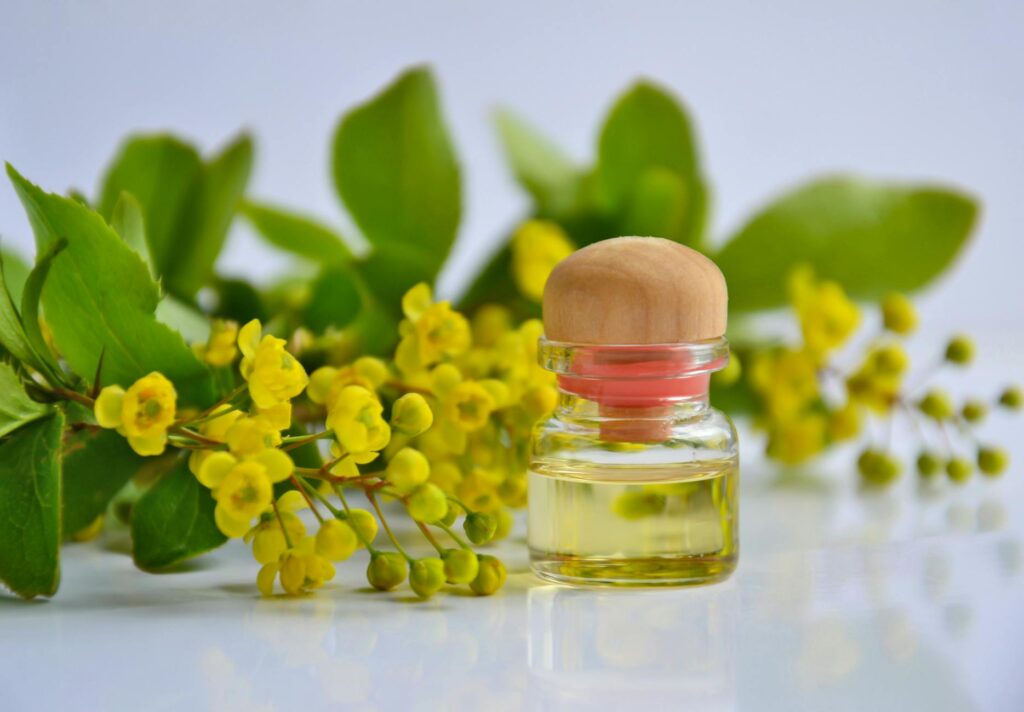
Health Benefits of Elderberry Oil Extract
Introduction
Elderberry, derived from the Sambucus tree, has been celebrated for centuries for its health benefits and rich nutritional profile. While elderberries themselves are often consumed as syrups or jams, elderberry oil extract has gained attention in the realm of aromatherapy and natural wellness. This article will explore what elderberry oil extract is, its key benefits, common uses, and safety considerations, providing an informative guide for those interested in this unique oil.
What Is Elderberry Oil Extract?
Elderberry oil extract is derived from the berries of the elder tree, primarily the European elder (Sambucus nigra). The extraction process typically involves cold-pressing or solvent extraction, capturing the beneficial compounds found in the berries. Elderberry oil is rich in antioxidants, vitamins, and fatty acids, making it a valuable addition to health and wellness routines.
Unlike elderberry syrup or tinctures, which are often consumed orally, elderberry oil extract is primarily used topically or in aromatherapy. Its aromatic profile is characterized by a sweet, fruity scent, making it appealing for various applications.
Key Benefits and Properties
Elderberry oil extract offers a range of potential benefits, largely attributed to its rich composition of vitamins, antioxidants, and fatty acids. Some of its notable properties include:
Antioxidant Properties
Elderberries are known for their high levels of anthocyanins, powerful antioxidants that help combat oxidative stress in the body. The presence of these compounds in elderberry oil extract can contribute to overall skin health and may support the body’s natural defense mechanisms.
Anti-Inflammatory Effects
Some studies suggest that elderberry oil may possess anti-inflammatory properties. These effects can be beneficial for reducing skin irritation and redness, making it a popular choice in topical applications for soothing skin conditions.
Moisturizing Qualities
With its fatty acid content, elderberry oil extract can serve as an excellent moisturizer for the skin. It helps maintain hydration, promoting a soft and supple appearance. This makes it particularly useful for dry or sensitive skin types.
Immune Support
While further research is needed, elderberry is traditionally associated with immune support. The nutrients found in elderberry oil extract may help bolster the body’s defenses, making it a popular choice during cold and flu seasons.
Skin Regeneration
The oil’s nourishing properties may promote skin regeneration and healing. It is often used in formulations aimed at improving the appearance of scars or promoting a more even skin tone.
Common Uses
Elderberry oil extract can be utilized in various ways, making it a versatile addition to wellness regimens. Common uses include:
Skincare Products
Elderberry oil extract is increasingly found in skincare products due to its moisturizing and antioxidant properties. It is commonly included in creams, lotions, and serums designed to hydrate and protect the skin.
Hair Care
The moisturizing qualities of elderberry oil can also benefit hair. It may be used in hair masks or conditioners to enhance shine and hydration, particularly for dry or damaged hair.
Aromatherapy Blends
In the world of aromatherapy, elderberry oil extract can be blended with other essential oils to create soothing and uplifting scents. Its sweet aroma can enhance relaxation and promote a sense of well-being.
Massage Oils
Due to its skin-soothing properties, elderberry oil extract can be added to carrier oils for use in massages. This can enhance the overall experience by providing both relaxation and nourishment to the skin.
Aromatherapy Applications
Elderberry oil extract can play a significant role in aromatherapy practices. Its sweet and fruity aroma can evoke feelings of warmth and comfort. Here are some common applications:
Diffusion
Adding elderberry oil extract to a diffuser can fill a room with its pleasant scent, creating a calming atmosphere. It can be paired with other essential oils like lavender or sweet orange for a more complex aroma.
Inhalation
Direct inhalation of elderberry oil extract, either from an open bottle or a cotton ball, can provide an immediate sense of relaxation and may help clear the mind.
Bath Soaks
Incorporating elderberry oil extract into bath products can enhance the bathing experience. It can be mixed with Epsom salts or added to bath oils for a soothing soak.
Custom Blends
Elderberry oil extract can be combined with other essential oils to create personalized blends tailored to individual preferences. This customization allows for experimentation with scents and therapeutic benefits.
Safety Considerations
While elderberry oil extract is generally considered safe for topical and aromatic use, certain precautions should be taken:
Patch Test
Before using elderberry oil extract on the skin, it is advisable to perform a patch test. Apply a small amount of diluted oil to a discreet area and observe for any adverse reactions.
Dilution
Elderberry oil extract should generally be diluted with a carrier oil (such as jojoba or coconut oil) before applying it to the skin. This helps prevent irritation and allows for safe application.
Consult a Professional
If you have specific health concerns or conditions, it is always best to consult a healthcare professional before incorporating any new oils into your routine, especially if you are pregnant, nursing, or have underlying health conditions.
Storage and Shelf Life
Proper storage is crucial for maintaining the potency and effectiveness of elderberry oil extract. Here are some tips:
Storage Conditions
Elderberry oil extract should be stored in a cool, dark place, away from direct sunlight and heat sources. This helps prevent degradation and preserves its beneficial properties.
Container Type
Store elderberry oil in dark glass bottles to protect it from light exposure. This is particularly important for oils that are sensitive to oxidation.
Shelf Life
When stored properly, elderberry oil extract can have a shelf life of 1-2 years. However, it is advisable to check for any changes in smell, color, or consistency before use, as these may indicate spoilage.
Frequently Asked Questions
Is elderberry oil extract safe for children?
While elderberry oil extract is generally safe, it is essential to consult with a healthcare professional before using it on children. Always perform a patch test to check for sensitivity.
Can elderberry oil extract be ingested?
Elderberry oil extract is primarily intended for topical and aromatic use. Ingesting elderberry oil is not recommended unless specifically advised by a healthcare professional.
How can I incorporate elderberry oil extract into my skincare routine?
You can use elderberry oil extract by adding it to your existing skincare products, applying it as a standalone moisturizer, or mixing it with carrier oils for massage or treatment of specific skin concerns.
Are there any allergies associated with elderberry oil extract?
While allergies to elderberry oil extract are rare, individual reactions can occur. Always perform a patch test before widespread use, especially if you have a history of allergies to other plants or oils.
Where can I purchase elderberry oil extract?
Elderberry oil extract can be found at health food stores, specialty shops, and online retailers. It’s important to choose reputable brands to ensure quality and purity.
Conclusion
Elderberry oil extract stands out as a versatile and beneficial oil with a rich history of use in natural wellness. Its antioxidant, anti-inflammatory, and moisturizing properties make it a valuable addition to skincare and aromatherapy practices. As with any natural product, understanding its benefits, uses, and safety considerations can help individuals make informed choices about incorporating elderberry oil into their routines.