
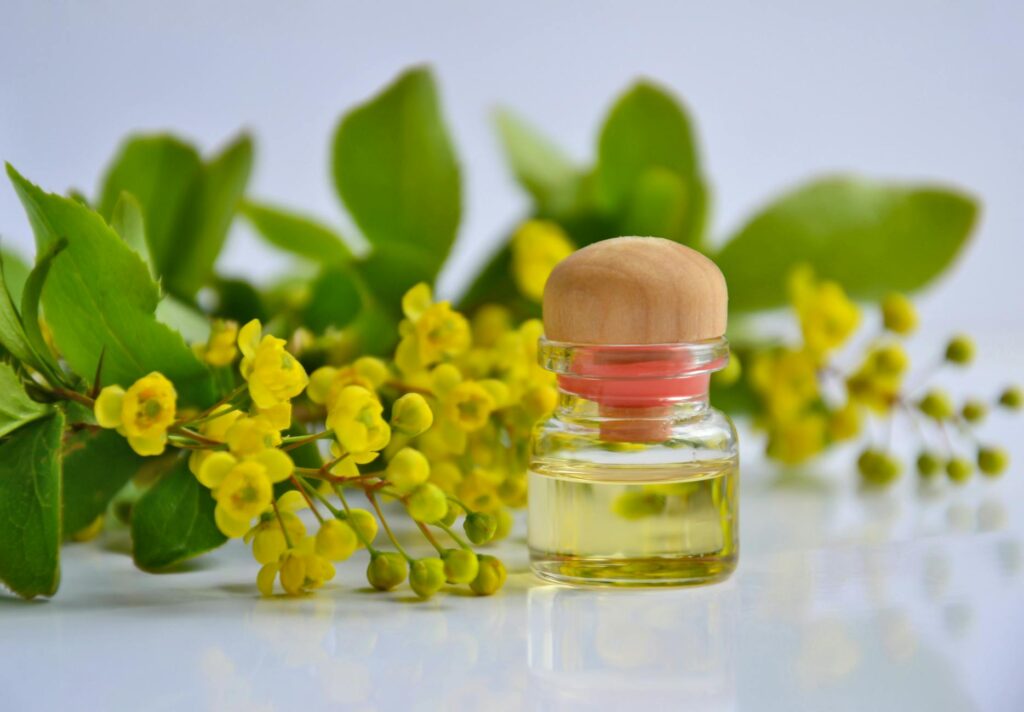
Health Benefits of Elderflower Syrup Extract
Introduction
Elderflower syrup extract, derived from the blossoms of the elderberry tree (Sambucus nigra), has been celebrated for centuries in various cultures for its delightful flavor and potential health benefits. This natural extract has gained popularity not only as a culinary ingredient but also as a favored addition to health and wellness regimens. This article aims to explore elderflower syrup extract in detail, focusing on its properties, benefits, and applications in various domains.
What Is Elderflower Syrup Extract?
Elderflower syrup extract is made by infusing fresh elderflowers in water and sugar, creating a sweet, aromatic liquid. The elderflower tree, native to Europe and parts of North America, produces small white or cream-colored blossoms that bloom in late spring and early summer. These flowers are not only visually appealing but are also rich in flavonoids, tannins, and essential oils, contributing to their unique health-promoting properties.
The process of making elderflower syrup extract typically involves:
1. Harvesting fresh elderflowers at their peak bloom.
2. Steeping the flowers in boiling water to extract their essential compounds.
3. Sweetening the infusion with sugar or honey.
4. Straining the mixture to remove solid particles, resulting in a clear syrup.
This extract can then be used in various culinary and therapeutic applications.
Key Benefits and Properties
Elderflower syrup extract possesses a range of properties that contribute to its reputation in herbal medicine and wellness traditions. While research is ongoing, some of the notable benefits and properties include:
Antioxidant Properties
Elderflowers are rich in antioxidants, particularly flavonoids like quercetin and rutin. These compounds help combat oxidative stress in the body, potentially reducing the risk of chronic diseases and promoting overall health.
Anti-Inflammatory Effects
Some studies suggest that elderflowers may have anti-inflammatory properties, which could be beneficial in managing conditions associated with inflammation. This attribute can contribute to general well-being and comfort.
Immune Support
Elderflower is traditionally believed to support immune function. The extract may help the body respond to common seasonal ailments, though further research is required to substantiate these claims.
Respiratory Health
Elderflower syrup extract has been used in folk traditions to promote respiratory health. Its potential soothing effects may help alleviate symptoms associated with colds and allergies, although more clinical evidence is needed.
Skin Health
The antioxidant and anti-inflammatory properties of elderflower extract make it a popular choice in skincare formulations. It may help soothe irritated skin and reduce the appearance of blemishes.
Common Uses
Elderflower syrup extract is versatile and can be employed in various ways:
Culinary Uses
1. Beverages: Elderflower syrup is often mixed with water, soda, or sparkling wine to create refreshing drinks. It can also be used in cocktails, mocktails, and teas.
2. Desserts: The floral sweetness of elderflower syrup can enhance the flavor of desserts like cakes, ice creams, and sorbets.
3. Salad Dressings: A splash of elderflower syrup can add a unique twist to vinaigrettes and marinades.
Traditional Medicine
While it is essential to note that elderflower syrup extract should not be considered a substitute for medical treatment, it has been used in traditional remedies for various purposes, including:
- Soothing sore throats: Traditionally, elderflower syrup is taken to ease throat discomfort.
- Promoting hydration: Its sweet flavor encourages fluid intake, which can be beneficial during illness.
- Containers: Store the syrup in a clean, airtight glass container to prevent contamination and preserve its flavor.
- Cool, Dark Place: Keep the extract in a cool, dark place away from direct sunlight. This helps prevent degradation and loss of potency.
- Refrigeration: For extended shelf life, refrigerate the syrup. Homemade elderflower syrup can typically last for up to one year when stored properly, while commercially produced versions may have preservatives that extend their shelf life.
Aromatherapy and Fragrance
Elderflower syrup extract can also be included in aromatherapy practices, providing a floral scent that can create a calming atmosphere. It is often used in diffusers or as an ingredient in homemade candles and potpourri.
Aromatherapy Applications
Elderflower syrup extract’s pleasant aroma makes it a delightful addition to aromatherapy. While it is more commonly used in culinary applications, its fragrance can also support emotional well-being in the following ways:
Mood Enhancement
The sweet, floral scent of elderflower can have uplifting effects, potentially promoting feelings of joy and relaxation. This makes it a suitable choice for use in stress-relief practices.
Blending with Essential Oils
Elderflower syrup extract can be combined with various essential oils to create unique blends. It pairs well with citrus oils, lavender, and chamomile, enhancing the aromatic experience and providing a balanced scent profile.
Calming Rituals
Incorporating elderflower syrup extract in bath products or massage oils can create a soothing environment, promoting relaxation and tranquility during self-care routines.
Safety Considerations
While elderflower syrup extract is generally considered safe for most people when used appropriately, there are some important safety considerations to keep in mind:
1. Allergic Reactions: Some individuals may be allergic to elderflowers or related plants. It is advisable to perform a patch test before using the extract topically.
2. Consultation with Professionals: If you have existing health conditions or are pregnant or breastfeeding, it is recommended to consult a healthcare professional before incorporating elderflower syrup extract into your regimen.
3. Quality of Ingredients: Ensure that the elderflowers used are sourced from safe, pesticide-free environments. Wild harvesting should be approached with caution, as misidentification can lead to the ingestion of toxic plants.
Storage and Shelf Life
To maintain the quality of elderflower syrup extract, proper storage is essential:
Frequently Asked Questions
1. How do I use elderflower syrup extract?
Elderflower syrup extract can be added to beverages, desserts, salad dressings, or used in aromatherapy. Its versatility makes it suitable for various culinary and wellness applications.
2. Is elderflower syrup extract safe for children?
While elderflower syrup extract is generally considered safe for children, it is advisable to consult a healthcare professional regarding appropriate usage and dosage.
3. Can I make elderflower syrup extract at home?
Yes, making elderflower syrup extract at home is relatively easy. Ensure you use fresh, pesticide-free elderflowers and follow proper hygiene practices during preparation.
4. Where can I find elderflower syrup extract?
Elderflower syrup extract can be purchased at health food stores, specialty shops, and online retailers. Homemade versions can also be made using fresh elderflowers.
5. Are there any side effects associated with elderflower syrup extract?
While elderflower syrup extract is generally safe, some individuals may experience allergic reactions. It is important to monitor for any adverse effects and discontinue use if necessary.
Conclusion
Elderflower syrup extract is an enchanting natural product with a rich history of use in culinary and wellness traditions. Its delightful flavor and potential health benefits make it a versatile ingredient in various applications. While further research may be needed to fully understand its effects, elderflower syrup extract can be a delightful addition to a balanced lifestyle. Whether enjoyed in beverages, desserts, or as part of an aromatherapy routine, this extract continues to charm those who seek its floral essence.