
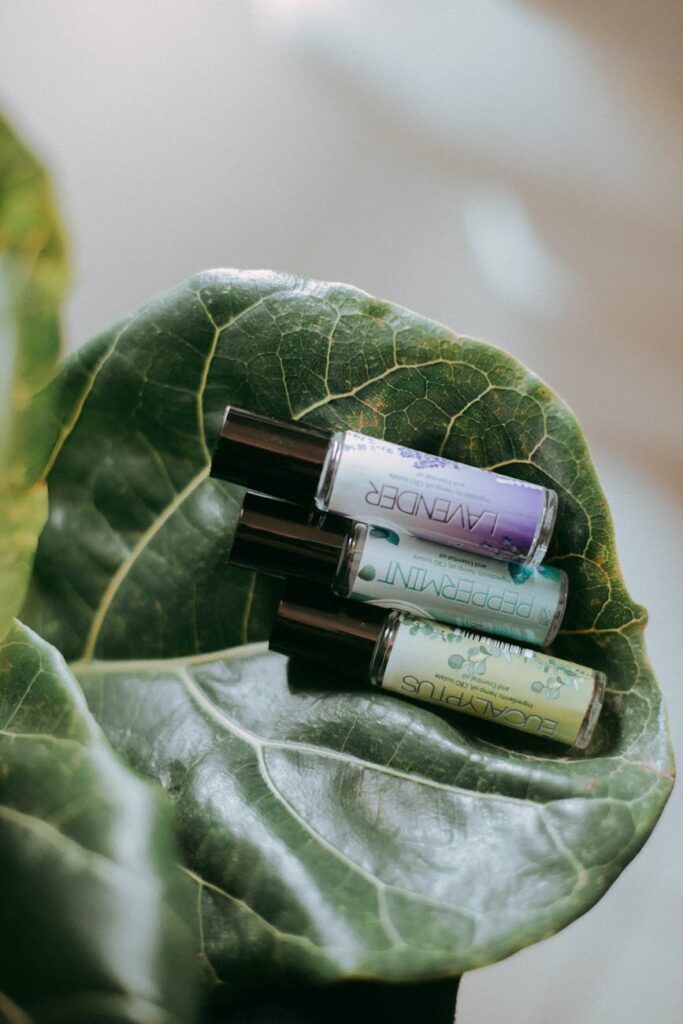
Health Benefits of Essential Oil Blends for Creativity and Inspiration
Introduction
The pursuit of creativity and inspiration is a fundamental aspect of human expression, encompassing art, writing, music, and various other forms of innovation. In recent years, essential oils and aromatherapy have emerged as popular tools for enhancing creativity and sparking inspiration. This article explores the nature of essential oil blends specifically designed for these purposes, examining their properties, common uses, and safety considerations.
What Are Essential Oil Blends for Creativity and Inspiration?
Essential oil blends for creativity and inspiration consist of carefully selected combinations of essential oils, each chosen for its unique aromatic profile and potential influence on the mind and spirit. These blends often include oils that are believed to stimulate the senses, elevate mood, and enhance mental clarity. The synergy created by combining multiple essential oils can amplify their individual benefits, creating a holistic approach to fostering creative energy.
Key Benefits and Properties
The properties of essential oils can vary widely, but certain oils are particularly noted for their potential to inspire creativity. Here are some commonly used essential oils and their associated benefits:
1. Bergamot (Citrus bergamia): Known for its uplifting and refreshing scent, bergamot is often used to alleviate stress and foster a sense of well-being, making it easier to tap into creative thoughts.
2. Lemon (Citrus limon): The bright, zesty aroma of lemon is thought to enhance mental clarity and focus, promoting alertness and invigorating the mind.
3. Peppermint (Mentha piperita): Peppermint is recognized for its ability to stimulate the mind and enhance concentration. Its invigorating aroma can help combat mental fatigue.
4. Frankincense (Boswellia carterii): This oil has been used for centuries in spiritual practices. Its grounding properties may facilitate deeper meditation, allowing for a clearer flow of creative ideas.
5. Rosemary (Rosmarinus officinalis): Traditionally used to improve memory and concentration, rosemary can help stimulate the mind and inspire original thoughts.
6. Ylang Ylang (Cananga odorata): With its rich, floral scent, ylang ylang is believed to promote feelings of joy and calmness, creating a conducive atmosphere for creative expression.
7. Cinnamon (Cinnamomum verum): Known for its warm, spicy aroma, cinnamon can evoke feelings of comfort and nostalgia, potentially unlocking new avenues of creativity.
Common Uses
Essential oil blends for creativity and inspiration can be utilized in various settings and applications. Some common uses include:
- Diffusion: Adding essential oil blends to a diffuser is a popular method for dispersing the aromas into the air, creating an inspiring atmosphere in workspaces, studios, or creative hubs.
- Topical Application: Diluting essential oils with a carrier oil and applying them to pulse points can provide a direct aromatic experience. This method is often used during creative sessions or brainstorming activities.
- Inhalation: Simply inhaling the scent from a bottle or a cotton ball can offer immediate access to the benefits of the oils, making it an excellent option for on-the-go inspiration.
- Baths: Incorporating essential oil blends into a warm bath can create a relaxing and uplifting environment, promoting a mindset conducive to creativity.
- Crafting and Art: Artists and crafters may use essential oils in their projects, incorporating scents into the creative process itself.
- Dilution: Always dilute essential oils with a carrier oil before applying them to the skin to prevent irritation or allergic reactions.
- Skin Sensitivity: Conduct a patch test when trying a new essential oil blend to ensure no adverse reactions occur.
- Pregnancy and Health Conditions: Consult with a healthcare professional before using essential oils, especially if pregnant, nursing, or managing any health conditions.
- Quality of Oils: Opt for high-quality, pure essential oils from reputable sources to ensure safety and efficacy.
- Containers: Store essential oils in dark glass bottles to protect them from light and degradation. Avoid plastic containers, as essential oils can break down plastics.
- Temperature: Keep essential oils in a cool, dry place, away from direct sunlight and heat sources.
- Shelf Life: The shelf life of essential oils varies depending on the type. Generally, citrus oils have a shorter shelf life (1-2 years), while oils like patchouli and sandalwood can last for several years when stored correctly.
Aromatherapy Applications
Aromatherapy is the practice of using essential oils for therapeutic purposes. When it comes to creativity and inspiration, the following applications are commonly employed:
1. Meditation: Using essential oil blends during meditation sessions can help clear mental clutter, allowing individuals to connect more deeply with their thoughts and emotions.
2. Creative Rituals: Establishing a creative routine with specific essential oils can signal to the brain that it is time to engage in creative work, enhancing focus and inspiration.
3. Workshops and Classes: Many artists and educators incorporate essential oils into workshops, creating a multi-sensory experience that can enhance learning and creativity.
4. Mindfulness Practices: Engaging in mindfulness exercises with essential oils can help individuals become more present, allowing for spontaneous bursts of creativity.
Safety Considerations
While essential oils can offer numerous benefits, it is essential to approach their use with caution. Here are several safety considerations to keep in mind:
Storage and Shelf Life
Proper storage of essential oils is crucial for maintaining their potency and effectiveness. Here are some guidelines:
Frequently Asked Questions
1. Can essential oil blends really enhance creativity?
While many people report positive experiences with essential oils, scientific evidence on their direct impact on creativity is still limited. However, the aromatic properties of certain oils may help create a conducive environment for creative thinking.
2. How do I create my own essential oil blend for creativity?
To create a custom blend, choose two or three essential oils known for their uplifting or clarifying properties. Combine them in a carrier oil at a safe dilution ratio and adjust the proportions to suit your preference.
3. Are there any essential oils to avoid for creativity?
While there aren’t specific oils that hinder creativity, some oils may be associated with relaxation and sleep (e.g., lavender, chamomile), which may not be conducive to stimulating creative energy in some individuals.
4. How often can I use essential oil blends?
You can use essential oil blends as often as needed; however, it’s advisable to take breaks and avoid excessive inhalation or topical application to minimize any potential sensitivity.
5. Can I use essential oils in combination with other creative practices?
Absolutely. Essential oils can complement various creative practices like painting, writing, or music composition, enhancing the overall experience and potentially unlocking new avenues of inspiration.
Conclusion
Essential oil blends for creativity and inspiration offer a unique approach to enhancing the creative process. By harnessing the aromatic properties of carefully chosen essential oils, individuals can foster an environment that promotes mental clarity, emotional balance, and artistic expression. While personal experiences may vary, the potential benefits of these blends make them a valuable addition to any creative toolkit. Remember to prioritize safety and proper storage to fully enjoy the advantages of these aromatic companions.