
Health Benefits of Essential Oil Blends for Emotional Balance
Introduction
In an increasingly fast-paced world, many individuals seek natural ways to enhance their emotional well-being. Essential oils, derived from plants, have gained popularity for their potential benefits in promoting relaxation, reducing stress, and fostering emotional balance. When combined into blends, these oils can create synergistic effects that may enhance their individual properties. This article explores the concept of essential oil blends for emotional balance, highlighting their benefits, common uses, and safety considerations.
What Is Essential Oil Blends for Emotional Balance?
Essential oil blends for emotional balance consist of two or more essential oils that are specifically selected for their complementary properties. Each essential oil possesses unique constituents that can influence mood and emotions. For instance, some oils may be uplifting, while others can have calming effects. By combining different oils, it is possible to create a harmonious blend that promotes emotional stability and well-being.
Common essential oils used in emotional balance blends include lavender, bergamot, frankincense, and ylang-ylang, among others. These blends can be inhaled, applied topically, or used in diffusers, allowing individuals to incorporate them into their daily routines.
Key Benefits and Properties
Essential oil blends for emotional balance may offer several benefits:
1. Mood Enhancement
Certain essential oils, such as citrus oils like orange and lemon, are known for their uplifting properties. They may help alleviate feelings of sadness and promote a more positive outlook.
2. Stress Reduction
Oils like lavender and chamomile are renowned for their calming effects. They may help reduce stress and anxiety, promoting a sense of tranquility and relaxation.
3. Emotional Release
Some essential oils, such as sandalwood and frankincense, are believed to facilitate emotional release and introspection. They can help individuals process emotions, leading to a greater sense of clarity.
4. Improved Sleep Quality
Blends containing calming oils can aid in promoting restful sleep. For example, a combination of lavender and cedarwood may create a soothing atmosphere conducive to sleep.
5. Enhanced Focus and Clarity
Certain essential oils, like rosemary and peppermint, can improve mental clarity and concentration. These oils can be beneficial during times of stress or when mental fatigue sets in.
Common Uses
Essential oil blends for emotional balance can be used in various ways:
1. Diffusion
Diffusing essential oils in the air is one of the most popular methods. A few drops of a blend can be added to a diffuser, allowing the aroma to permeate the space and create an uplifting or calming environment.
2. Topical Application
Essential oil blends can be diluted with a carrier oil (such as jojoba or coconut oil) and applied to pulse points like wrists, neck, or temples. This method allows for the direct absorption of the oils into the skin.
3. Bathing
Adding essential oil blends to a warm bath can provide a luxurious and relaxing experience. The steam carries the aroma, while the warm water soothes the body.
4. Inhalation
Direct inhalation of essential oil blends can provide immediate benefits. A few drops can be placed on a handkerchief or cotton ball and inhaled deeply.
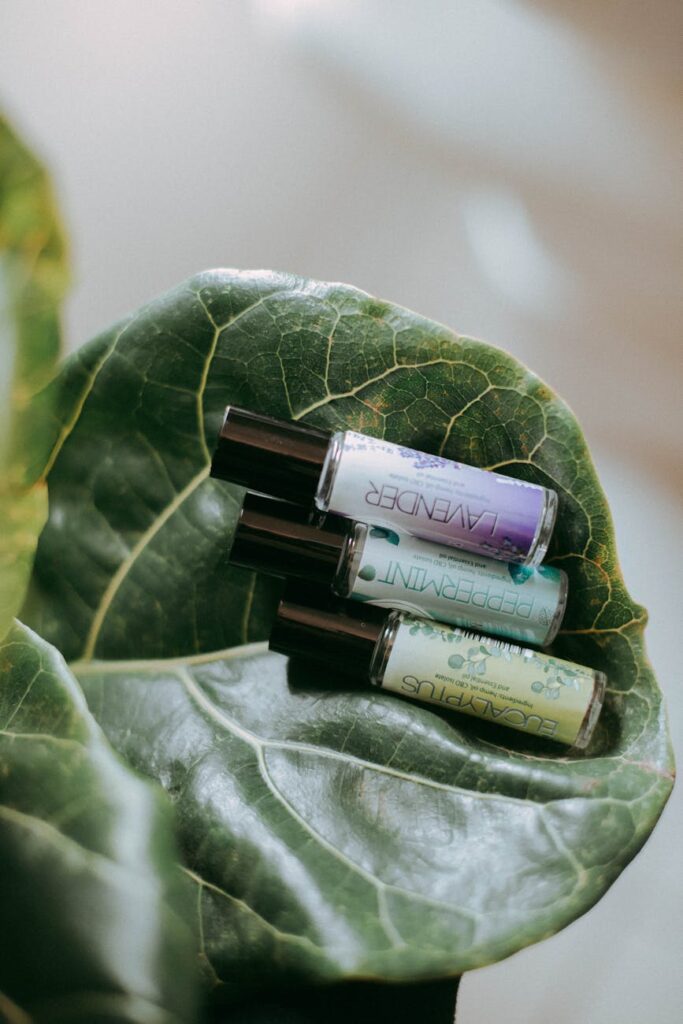
5. Aromatherapy Roll-Ons
Pre-made or DIY roll-ons containing essential oil blends can be carried easily and applied as needed throughout the day.
Aromatherapy Applications
Aromatherapy is the practice of using essential oils to promote physical and emotional well-being. The application of essential oil blends for emotional balance in aromatherapy can take several forms:
1. Personal Aromatherapy
Individuals can create their own blends tailored to their emotional needs. This can involve experimenting with different oils to find combinations that resonate personally.
2. Professional Aromatherapy
Aromatherapists often use blends to address specific emotional or psychological concerns. They may customize blends based on individual client needs, enhancing the therapeutic experience.
3. Environmental Enhancements
Essential oil blends can be used to create a welcoming atmosphere in homes, workplaces, and wellness centers. The right blend can elevate the mood of a space, promoting a sense of peace and happiness.
Safety Considerations
While essential oil blends can offer emotional benefits, it is essential to approach their use with care:
1. Dilution
Essential oils are highly concentrated substances and should be diluted in a carrier oil before topical application to prevent skin irritation.
2. Allergies
Individuals should conduct a patch test to check for allergic reactions before using a new blend. If irritation occurs, discontinue use.
3. Pregnant or Nursing
Pregnant or nursing individuals should consult with a qualified healthcare professional before using essential oils, as some oils may not be safe during these periods.
4. Children and Pets
Certain essential oils may not be suitable for children or pets. It is crucial to research and ensure the safety of specific oils for these vulnerable populations.
5. Photosensitivity
Some citrus oils can cause photosensitivity, leading to skin reactions when exposed to sunlight. It is advisable to avoid sun exposure after applying these oils to the skin.
Storage and Shelf Life
Proper storage is essential to maintain the efficacy and quality of essential oil blends. Consider the following guidelines:
1. Dark Glass Bottles
Store essential oils in dark glass bottles to protect them from light, which can degrade their quality.
2. Cool, Dry Place
Keep oils in a cool, dry environment away from heat sources. High temperatures can alter the chemical composition of the oils.
3. Shelf Life
Essential oils do not have an indefinite shelf life. Most oils can last for 1 to 3 years, while some may remain effective for longer. Regularly check for changes in aroma or color, which may indicate spoilage.
Frequently Asked Questions
1. Can essential oil blends replace professional therapy?
While essential oil blends can support emotional well-being, they are not a replacement for professional mental health treatment. It is essential to seek guidance from trained professionals for serious emotional concerns.
2. How many essential oils should be in a blend?
The number of oils in a blend can vary. Typically, 3 to 5 oils are sufficient to create a harmonious blend without overwhelming the senses.
3. Can I use essential oils in cooking?
Not all essential oils are safe for consumption. Only use culinary-grade oils that are specifically labeled as safe for ingestion, and consult with a qualified expert.
4. Are essential oils safe for everyone?
While many individuals can safely use essential oils, caution is advised for pregnant or nursing individuals, children, and those with certain health conditions. Always conduct thorough research or consult with a professional.
5. How often can I use essential oil blends?
Essential oil blends can be used daily, but frequency may depend on personal preference and individual reactions. Start with small amounts and adjust as needed.
Conclusion
Essential oil blends for emotional balance offer a natural approach to enhancing well-being. By understanding their benefits, common uses, and safety considerations, individuals can integrate these aromatic treasures into their lives effectively. Whether through diffusion, topical application, or aromatherapy, essential oil blends can support emotional stability and foster a sense of peace and joy in everyday life. As with any holistic practice, it’s essential to approach their use mindfully and with respect for their powerful properties.