
Health Benefits of Essential Oil Blends for Hormonal Balance
Introduction
The intricate balance of hormones plays a vital role in maintaining overall health and well-being. Hormonal imbalances can lead to a variety of physical and emotional challenges, affecting everything from mood to metabolism. As a natural alternative to conventional treatments, essential oils have gained popularity for their potential in promoting hormonal balance. This article explores the concept of essential oil blends specifically formulated for hormonal balance, their benefits, applications, and safe usage.
What Are Essential Oil Blends for Hormonal Balance?
Essential oil blends for hormonal balance are combinations of various essential oils that are thought to support the body’s hormonal systems. These blends can include oils derived from plants known for their potential to influence hormonal health. Commonly utilized oils include lavender, clary sage, geranium, and ylang-ylang, among others. Each oil carries unique properties that, when combined, may enhance their overall effectiveness in supporting hormonal balance.
Key Benefits and Properties
1. Mood Regulation
Many essential oils have been linked to mood-enhancing properties. For instance, ylang-ylang and bergamot are often used for their uplifting qualities, which can help mitigate mood swings associated with hormonal fluctuations.
2. Stress Reduction
Stress plays a significant role in hormonal imbalances. Essential oils such as lavender and frankincense are known for their calming effects, which may help alleviate anxiety and reduce stress levels, thereby potentially stabilizing hormone production.
3. Menstrual Health
Certain essential oil blends may aid in promoting menstrual health. Clary sage, for example, has been traditionally used to alleviate menstrual discomfort and regulate cycles.
4. Energy Boosting
Some essential oils, like peppermint and citrus oils (e.g., lemon and orange), are known for their invigorating properties. These oils can help combat fatigue often associated with hormonal imbalances, enhancing overall vitality.
5. Sleep Enhancement
Quality sleep is crucial for hormonal balance. Oils such as chamomile and lavender have sedative properties that may support better sleep quality, thus promoting a healthier hormonal environment.
Common Uses
Essential oil blends for hormonal balance can be employed in various ways, depending on individual preferences and needs. Here are some common applications:
1. Diffusion
Using a diffuser is a popular method to disperse essential oil blends into the air. This approach allows for inhalation of the oils, promoting relaxation or invigoration as needed.
2. Topical Application
Many individuals apply essential oil blends topically, often diluted with a carrier oil. Areas such as the wrists, abdomen, or behind the ears are common application points. This method allows the oils to be absorbed through the skin.
3. Bath Soaks
Incorporating essential oil blends into a warm bath can create a soothing experience. Adding a few drops of the blend to bathwater can enhance relaxation and provide a holistic approach to self-care.
4. Inhalation
Simply inhaling the scent of essential oil blends directly from the bottle or from a cotton ball can provide immediate benefits. This method is especially useful for quick mood enhancement or stress relief.
Aromatherapy Applications
Aromatherapy, the practice of using essential oils for therapeutic purposes, can be particularly effective when it comes to hormonal balance. Here are some suggested aromatherapy applications:
1. Blending Techniques
Creating a balanced blend is key. A common ratio might be to use three drops of a base oil (like lavender) with two drops of a middle note (like geranium) and one drop of a top note (like bergamot). Experimenting with different ratios can yield unique results.
2. Personalized Blends
Individuals may benefit from customizing their blends based on personal preferences and specific needs. Conducting a patch test before full application can help ensure no adverse reactions occur.
3. Seasonal Adaptations
Hormonal needs can fluctuate with the seasons. For instance, during winter months, warming oils like ginger may be preferred, while lighter, refreshing oils like citrus may be favored in summer.
Safety Considerations
While essential oils are generally considered safe when used appropriately, there are several safety considerations to keep in mind:
1. Dilution
Essential oils are highly concentrated and should be diluted with a carrier oil (such as jojoba, coconut, or almond oil) before topical application. A typical dilution ratio is 1-2 drops of essential oil per teaspoon of carrier oil.
2. Allergic Reactions
Individuals should perform a patch test by applying a small amount of the diluted blend to a small area of skin and waiting 24 hours to check for any adverse reactions.
3. Pregnancy and Nursing
Pregnant or nursing individuals should consult with a qualified healthcare provider before using essential oils, as some oils may not be recommended during these times.
4. Children and Pets
Certain essential oils can be harmful to children and pets. It is advisable to research specific oils and consult experts when using them around vulnerable populations.
Storage and Shelf Life
Proper storage of essential oil blends is crucial to maintaining their efficacy. Here are some essential storage tips:
1. Dark Glass Bottles
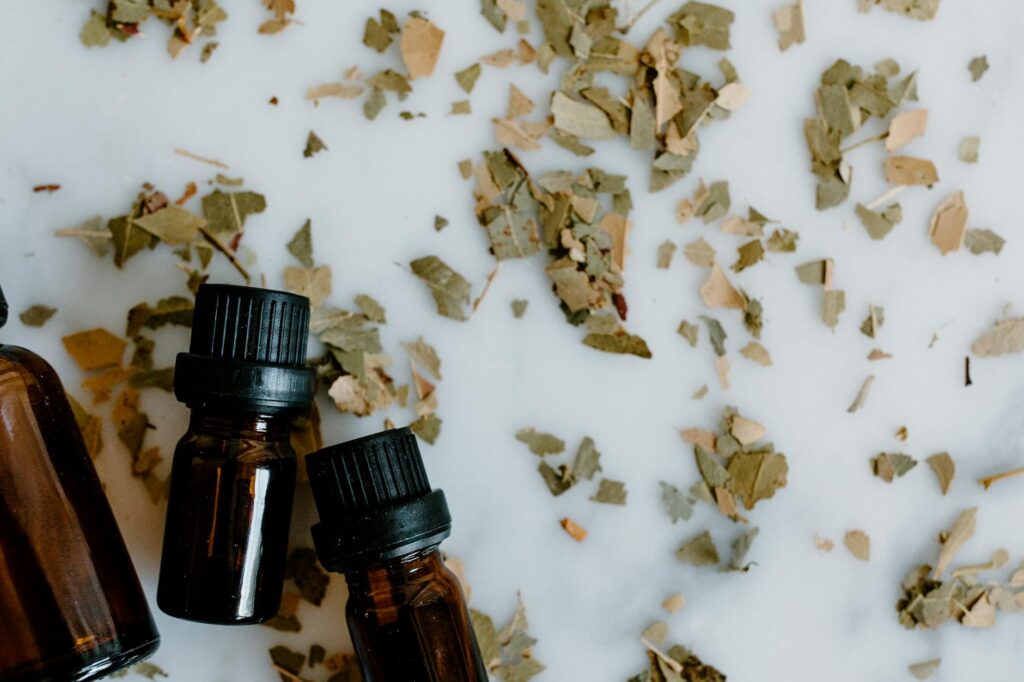
Essential oils should be stored in dark glass bottles to protect them from light, which can degrade the oil’s quality over time.
2. Cool, Dry Environment
Keep essential oils in a cool, dry place, away from direct sunlight and heat sources. A cupboard or drawer is often ideal.
3. Shelf Life
While essential oils do not spoil in the traditional sense, they can lose potency. Most essential oils have a shelf life ranging from 1 to 5 years, depending on the oil and storage conditions.
Frequently Asked Questions
1. Can essential oils replace medication for hormonal imbalances?
Essential oils should not be considered a replacement for medication prescribed by a healthcare professional. They can, however, be used as complementary support to overall wellness.
2. How often can I use essential oil blends for hormonal balance?
Frequency of use can vary depending on individual needs and personal tolerance. Generally, daily use in moderation is considered safe, but personal experimentation can help determine what works best.
3. Are there specific essential oils to avoid?
Certain essential oils may not be suitable for everyone, particularly during pregnancy or if there are specific medical conditions. Researching individual oils and consulting experts is advisable.
4. Can essential oil blends help with menopausal symptoms?
While some individuals report positive effects from using essential oils during menopause, results can vary widely. It is essential to approach this with realistic expectations and consider other support options.
Conclusion
Essential oil blends for hormonal balance offer a natural and holistic approach to supporting the intricate web of hormonal systems in the body. While the benefits may vary among individuals, many find value in incorporating these aromatic compounds into their wellness routines. By understanding the properties, applications, and safety considerations of essential oils, individuals can make informed choices that align with their health goals. Always prioritize personal research and consultation with qualified professionals when exploring the world of essential oils.