
Health Benefits of Essential Oil Blends for Seasonal Affective Disorder (SAD)
Introduction
Seasonal Affective Disorder (SAD) is a type of depression that typically occurs during the fall and winter months when daylight hours are shorter. The condition can lead to symptoms such as fatigue, low mood, and changes in sleep and appetite. While traditional treatments often include therapy and medication, many individuals seek complementary approaches to help manage their symptoms. Essential oils and aromatherapy have gained popularity as a natural alternative, especially for their potential mood-enhancing properties. This article explores the health benefits of essential oil blends specifically designed for SAD, providing insights into their applications and safety considerations.
What Are Essential Oil Blends for Seasonal Affective Disorder (SAD)?
Essential oils are concentrated extracts derived from plants, capturing their essence through steam distillation or cold pressing. When combined, these oils create essential oil blends, which can enhance their individual properties and create synergistic effects. For individuals experiencing SAD, specific blends can be formulated to uplift mood, promote relaxation, and alleviate anxiety.
Common essential oils used in blends for SAD include:
- Lavender: Known for its calming properties.
- Citrus Oils: Such as orange, lemon, and bergamot, known for their uplifting and energizing effects.
- Peppermint: Often used for mental clarity and invigorating energy.
- Frankincense: Valued for its grounding and balancing qualities.
These oils can be blended in various proportions to create customized mixtures that cater to individual preferences and needs.
Key Benefits and Properties
Essential oil blends for SAD offer several potential benefits, including:
Mood Enhancement
Many essential oils possess uplifting properties that can help alleviate feelings of sadness and lethargy. Citrus oils, in particular, are known to promote a sense of happiness and vitality, making them ideal for combating the winter blues.
Stress Reduction
Aromatherapy can help reduce stress and anxiety, which often accompany SAD. Oils like lavender and chamomile can promote relaxation and tranquility, aiding in creating a calming environment.
Improved Sleep Quality
Individuals with SAD may experience sleep disturbances. Certain essential oils, such as lavender and vetiver, can be beneficial in promoting restful sleep and improving overall sleep quality.
Increased Energy Levels
Essential oils like peppermint and rosemary can invigorate the mind and body, helping to combat fatigue and enhance alertness, which can be particularly helpful during the darker months.
Cognitive Support
Some essential oils are believed to improve mental clarity and focus. Oils such as basil and lemon can help enhance cognitive function, potentially counteracting the mental fog often associated with SAD.
Common Uses
Essential oil blends for SAD can be utilized in various ways, including:
Diffusion
Using an essential oil diffuser is one of the most popular methods for experiencing the benefits of essential oils. By dispersing the aromatic compounds into the air, individuals can create an uplifting and calming ambiance in their homes or workspaces.
Inhalation
Direct inhalation of essential oils can provide immediate effects. A few drops can be placed on a tissue or in the hands and inhaled deeply to promote instant relief from feelings of sadness or anxiety.
Topical Application
Essential oils can be diluted with a carrier oil and applied to the skin. Areas such as the wrists, neck, or behind the ears are common application points. This method allows for absorption through the skin and provides a longer-lasting aromatic experience.
Bathing
Adding essential oils to a warm bath can create a soothing and relaxing environment. This method not only benefits the mind but also provides physical relaxation.
Massage
Incorporating essential oils into a massage oil blend can enhance the physical benefits of massage therapy, promoting relaxation and stress relief, which can be particularly beneficial for those experiencing SAD.
Aromatherapy Applications
To effectively use essential oils for SAD, consider the following aromatherapy applications:
Morning Routine
Start your day with uplifting citrus oils to boost energy and enhance mood. Diffusing or inhaling orange or lemon oil can set a positive tone for the day ahead.
Midday Pick-Me-Up
During the afternoon slump, inhaling peppermint or rosemary can help invigorate the senses and improve focus, helping to combat midday fatigue.
Evening Wind-Down
As the day comes to a close, the calming properties of lavender or chamomile can promote relaxation. Adding these oils to a diffuser or bath can aid in preparing for restful sleep.
Seasonal Decor
Incorporating essential oils into seasonal decor, such as potpourri or ornaments, can continuously release uplifting scents throughout the home, contributing to a positive atmosphere.
Safety Considerations
While essential oils are generally safe when used correctly, there are important safety considerations to keep in mind:
Dilution
Always dilute essential oils with a carrier oil before applying them to the skin. This helps prevent skin irritation and ensures safe usage.
Allergies and Sensitivities
Individuals should conduct a patch test on a small area of skin to check for any allergic reactions before widespread application.
Pregnancy and Nursing
Consult with a healthcare professional before using essential oils during pregnancy or nursing, as some oils may not be safe for use in these situations.
Children and Pets
Certain essential oils can be harmful to children and pets. Always research the safety of specific oils before use and keep them out of reach of children and animals.
Storage and Shelf Life
Proper storage is essential for maintaining the quality of essential oils. Here are some guidelines:
Cool, Dark Place
Store essential oils in a cool, dark place away from direct sunlight to prevent oxidation and degradation of their properties.
Glass Containers
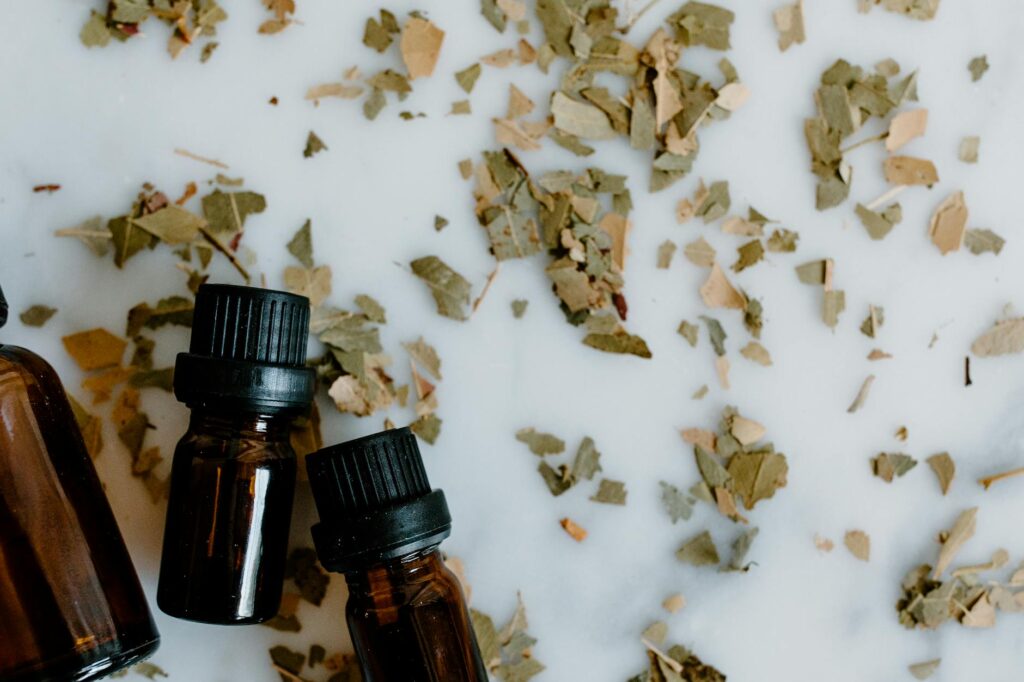
Use dark glass bottles for storage, as they help protect the oils from light exposure. Plastic containers can absorb the oils and compromise their quality.
Shelf Life
Most essential oils have a shelf life of 1 to 2 years, though some oils, like citrus, can have a shorter shelf life. Always check for changes in aroma, color, or consistency before use.
Frequently Asked Questions
1. Can essential oils cure SAD?
Essential oils are not a cure for SAD but can be used as a complementary approach to help manage symptoms. It is essential to consult a healthcare professional for appropriate treatment options.
2. How do I choose the right essential oil blend for me?
Choosing the right blend depends on personal preferences and specific symptoms. Experimenting with different oils and blends can help you discover what works best for your mood and needs.
3. How often can I use essential oils for SAD?
Essential oils can be used multiple times a day, depending on your needs. However, it is advisable to take breaks to avoid desensitization.
4. Are there any side effects of using essential oils?
While generally safe, some individuals may experience skin irritation or allergic reactions. It is crucial to dilute oils and conduct patch tests before extensive use.
5. Can I blend my essential oils at home?
Yes, creating your own essential oil blends can be a rewarding experience. Start with a few drops of each oil and adjust proportions according to your preferences.
Conclusion
Essential oil blends can serve as a beneficial tool for those experiencing Seasonal Affective Disorder, providing mood enhancement, stress reduction, and improved sleep quality. By understanding the properties of various oils and how to incorporate them into daily life, individuals can create a supportive environment to help combat the effects of SAD. However, it is essential to approach essential oils with care, considering safety guidelines and personal sensitivities. Always seek professional guidance when needed to ensure comprehensive care.