
Health Benefits of Essential Oil Blends for Seasonal Allergies
Introduction
Seasonal allergies, often referred to as hay fever or allergic rhinitis, can significantly impact the quality of life for many individuals. Characterized by symptoms such as sneezing, runny nose, itchy eyes, and fatigue, these allergies are typically triggered by pollen from trees, grasses, and weeds. While conventional treatments often focus on antihistamines and nasal sprays, many people are turning to holistic approaches, including essential oil blends, to alleviate their symptoms. This article explores the potential health benefits of essential oil blends for seasonal allergies, providing a comprehensive overview of their properties, common uses, and safety considerations.
What Are Essential Oil Blends for Seasonal Allergies?
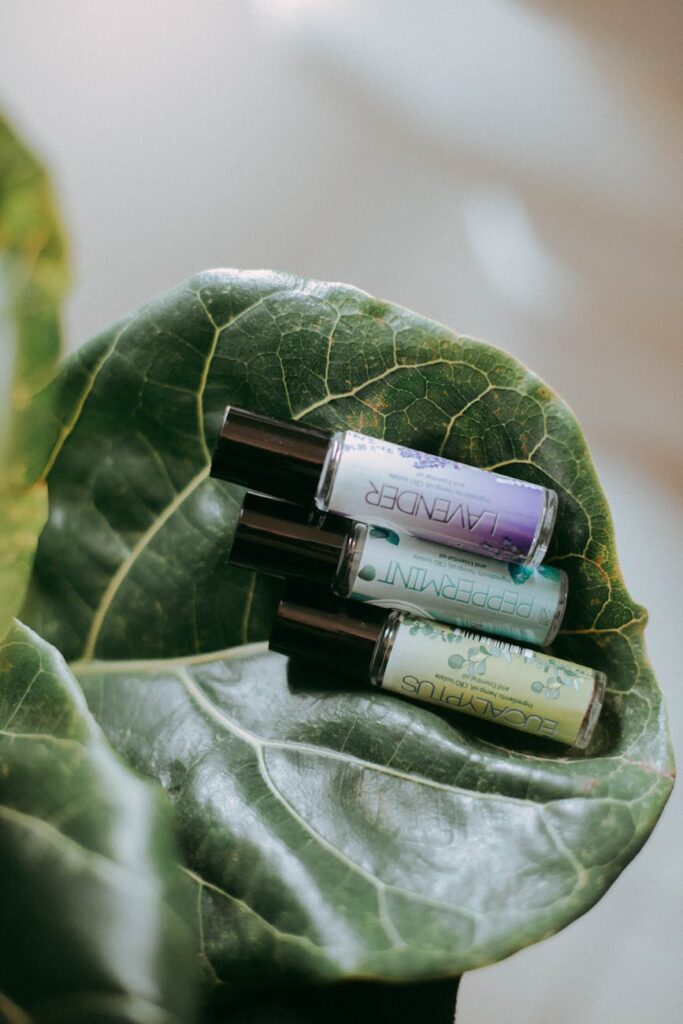
Essential oils are concentrated extracts derived from plants, capturing their characteristic fragrances and beneficial properties. An essential oil blend combines two or more oils, each selected for its unique therapeutic properties. For seasonal allergies, blends might include oils known for their anti-inflammatory, antihistamine, and soothing effects. Common oils used in these blends may include eucalyptus, lavender, peppermint, and tea tree oil, among others. The synergy created by these combinations can enhance the overall effectiveness in addressing allergy symptoms.
Key Benefits and Properties
Antihistamine Effects
Certain essential oils possess natural antihistamine properties, helping to reduce the body’s histamine response to allergens. Oils like lavender and chamomile can potentially mitigate allergic reactions, providing a sense of relief from symptoms such as sneezing and itching.
Anti-Inflammatory Properties
Inflammation is a common response to allergens, leading to tissue irritation and discomfort. Essential oils such as eucalyptus and frankincense are known for their anti-inflammatory effects. They may help calm the respiratory tract and reduce swelling in nasal passages, making breathing easier.
Respiratory Support
Essential oils often have respiratory-supportive qualities. For instance, peppermint is known to open up airways, facilitating easier breathing. Additionally, oils like tea tree and lemon are recognized for their cleansing abilities, which can help purify the air and reduce airborne allergens.
Mood Enhancement
Seasonal allergies can lead to feelings of fatigue and irritability. Many essential oils, such as bergamot and sweet orange, are uplifting and can promote emotional well-being. Incorporating these oils into an allergy relief regimen may help improve mood and overall quality of life during allergy season.
Common Uses
Inhalation
One of the simplest ways to use essential oil blends for seasonal allergies is through inhalation. This can be done by adding a few drops of the blend to a diffuser or simply inhaling the aroma directly from the bottle. Steam inhalation is another effective method, where essential oils are added to hot water, and the steam is inhaled.
Topical Application
Essential oil blends can also be diluted with a carrier oil (such as coconut or jojoba oil) and applied topically to pulse points, such as wrists or behind the ears. These blends can be soothing and may help alleviate sinus pressure or discomfort.
Bath Soaks
Adding essential oils to a warm bath can provide a relaxing experience while also offering potential relief from allergy symptoms. The steam from the bath can help disperse the oils, creating an aromatic environment that calms the senses.
Room Sprays
Creating a room spray with essential oil blends can help purify the air in your home, reducing allergens. By mixing essential oils with water in a spray bottle, you can create a refreshing mist to use throughout your living space.
Aromatherapy Applications
In the realm of aromatherapy, essential oil blends for seasonal allergies can be employed in various forms:
Diffusion
Using an essential oil diffuser is an effective way to disperse the aroma of the oils throughout a room. This method not only fills the space with a pleasant scent but can also create an environment conducive to respiratory ease.
Inhalers
Portable inhalers filled with essential oil blends can be carried for on-the-go relief. These inhalers allow for quick access to the soothing properties of essential oils whenever symptoms arise.
Massage
Incorporating essential oils into a massage can enhance the overall experience. A blend applied to the chest and neck area may provide respiratory support while also delivering the relaxing benefits of touch.
Safety Considerations
While essential oils are generally considered safe when used appropriately, there are several safety considerations to keep in mind:
Dilution
Essential oils are highly concentrated and should be diluted with a carrier oil before topical application to avoid skin irritation. A typical dilution ratio is 2-3 drops of essential oil per teaspoon of carrier oil.
Allergic Reactions
Individuals should perform a patch test prior to using a new essential oil blend on their skin. This involves applying a small amount of diluted oil to an inconspicuous area and monitoring for any adverse reactions.
Pregnancy and Nursing
Pregnant or nursing individuals should consult with a healthcare provider before using essential oils, as some oils may not be safe during these periods.
Children and Pets
Certain essential oils may not be suitable for use around children or pets. It is essential to research and choose oils that are safe for all family members.
Storage and Shelf Life
To maintain the potency and efficacy of essential oil blends, proper storage is crucial:
Storage Conditions
Essential oils should be stored in a cool, dark place away from direct sunlight. This helps preserve their chemical properties and fragrance.
Shelf Life
Most essential oils have a shelf life of 1-3 years when stored correctly. However, citrus oils tend to have a shorter shelf life, typically around 1-2 years. Always look for signs of deterioration, such as changes in scent or consistency.
Frequently Asked Questions
Can essential oil blends completely cure seasonal allergies?
Essential oil blends may help alleviate symptoms associated with seasonal allergies, but they are not a substitute for medical treatment. They can complement other forms of care.
How do I choose the right essential oil blend for my allergies?
Selecting a blend often depends on individual preferences and specific symptoms. Researching the properties of various oils can help inform your choice, and starting with a small selection may be beneficial.
Are there any essential oils I should avoid?
Certain oils, such as eucalyptus and peppermint, may not be suitable for young children or pregnant women. Always consult safety guidelines and, if in doubt, seek advice from a knowledgeable source.
How often can I use essential oil blends for allergies?
Usage frequency can vary based on individual needs. It’s generally safe to use essential oil blends multiple times a day, but it’s important to listen to your body and adjust as necessary.
Conclusion
Essential oil blends offer a holistic approach to managing seasonal allergies, providing potential relief from symptoms while also promoting emotional well-being. By understanding their properties, common uses, and safety considerations, individuals can incorporate these fragrant remedies into their daily lives. As always, personal experience and preference will guide the selection and use of essential oils, ensuring a tailored approach to allergy relief.