
Health Benefits of Essential Oil Blends for Seasonal Transitions and Mood Stabilization
Introduction
The changing seasons bring with them a variety of physical and emotional challenges. As daylight wanes in the autumn or blooms in the spring, many individuals experience fluctuations in mood and well-being. Essential oils, derived from plants, have long been utilized for their aromatic and therapeutic properties. When blended thoughtfully, these oils can help stabilize mood and ease the stress associated with seasonal transitions. This article explores the concept of essential oil blends for these purposes, highlighting their benefits, common uses, and applications in aromatherapy.
What Are Essential Oil Blends for Seasonal Transitions and Mood Stabilization?
Essential oil blends are mixtures of two or more essential oils, each chosen for their unique properties and aromas. These blends can be specifically formulated to address the emotional and physical challenges that arise during seasonal transitions. For instance, certain oils may invigorate and uplift during the sluggishness of winter, while others can calm and ground during the frenetic energy of spring.
The science behind these blends lies in the chemistry of essential oils. Each oil contains various phytochemicals that can influence brain chemistry, thereby affecting mood and emotional states. By combining different oils, users can create synergistic effects that enhance the overall impact, making these blends particularly effective for mood stabilization.
Key Benefits and Properties
Emotional Well-Being
Essential oil blends used for mood stabilization often contain oils known for their calming or uplifting properties. For example, oils like lavender and bergamot are celebrated for their ability to reduce anxiety and promote relaxation, while citrus oils such as lemon and sweet orange are invigorating and stress-relieving.
Immune Support
Seasonal changes can affect the immune system, making individuals more susceptible to illness. Certain essential oils, like eucalyptus and tea tree, possess antimicrobial properties that may support overall health during these times.
Stress Relief
The transitional seasons can be stressful, marked by changes in routine, weather, and even daylight hours. Essential oil blends can help ease this stress, promoting a sense of calm and mental clarity. Oils such as chamomile and frankincense are often included for their soothing effects.
Enhanced Focus and Clarity
As seasonal distractions arise, maintaining focus can become challenging. Oils like rosemary and peppermint are known for their stimulating properties, helping to enhance mental clarity and concentration.
Common Uses
Essential oil blends for seasonal transitions and mood stabilization can be applied in several ways, including:
Diffusion
Using a diffuser to disperse essential oil blends into the air is one of the most common methods. This allows the aromatic molecules to be inhaled, promoting an immediate emotional response.
Topical Application
Diluted essential oil blends can be applied to pulse points, such as wrists or behind the ears. This method allows for localized benefits and can be particularly useful for stress relief and emotional balance.
Bathing
Including essential oil blends in bathwater can create a soothing, aromatic experience. This method not only relaxes the mind but can also benefit the skin, depending on the oils used.
Inhalation
Simply inhaling the scent of an essential oil blend directly from the bottle or a tissue can provide quick mood stabilization, making it a handy option for on-the-go relief.
Aromatherapy Applications
Morning Routine
Incorporating uplifting essential oil blends into a morning routine can set a positive tone for the day. Blends featuring citrus oils can invigorate the senses and enhance motivation.
Evening Wind Down
Conversely, blends with calming oils such as lavender or chamomile can be used in the evening to promote relaxation and prepare the mind for sleep.
Seasonal Changes
During specific seasonal transitions, such as the onset of winter, users may benefit from blends designed to combat seasonal affective disorder (SAD). These blends often include uplifting oils to counteract the effects of reduced daylight.
Safety Considerations
While essential oils are generally safe when used appropriately, some precautions should be taken:
Skin Sensitivity
Always conduct a patch test before applying essential oils to the skin. Some individuals may experience allergic reactions or sensitivities to specific oils.
Dilution
Essential oils are potent and should be diluted with a carrier oil (such as jojoba or coconut oil) before topical application. A common dilution ratio is 2-3 drops of essential oil per teaspoon of carrier oil.
Pregnant or Nursing Individuals
Pregnant or nursing individuals should consult with a healthcare professional before using essential oils, as some oils may not be safe during these periods.
Children and Pets
Certain essential oils can be harmful to children and pets. Always research the safety of specific oils before use in households with young children or animals.
Storage and Shelf Life
Proper storage of essential oils is crucial to maintain their potency and efficacy:
Storage Conditions
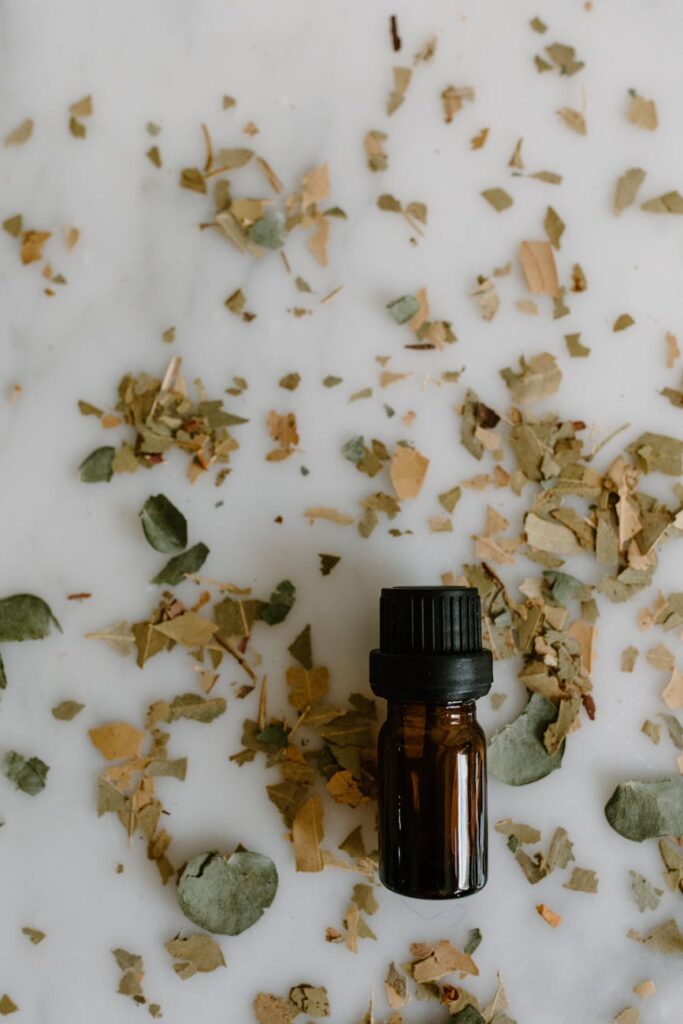
Essential oils should be stored in a cool, dark place, away from sunlight and heat sources. Amber or cobalt glass bottles are ideal for protecting the oils from light and air exposure.
Shelf Life
The shelf life of essential oils varies depending on the type. Most essential oils last between 1 to 3 years, but citrus oils tend to have a shorter shelf life. Regularly check for changes in aroma or consistency, which may indicate that an oil has gone stale.
Frequently Asked Questions
Can I create my own essential oil blends?
Yes, creating your own blends can be a rewarding experience. Start by selecting oils that resonate with you and experimenting with different combinations to find the right balance.
Are essential oils safe for everyone?
While many people can use essential oils without issue, some individuals may experience sensitivities or allergies. It’s essential to perform patch tests and consult with a healthcare professional if you have concerns.
How do I choose the right blend for my needs?
Consider your emotional state and the specific challenges you face during seasonal transitions. Research the properties of various essential oils and select blends that target those needs.
Can essential oils replace traditional medicine?
Essential oils can complement traditional medicine but should not be viewed as a replacement. Always consult with a healthcare professional for medical concerns.
How can I incorporate essential oils into my daily routine?
Incorporating essential oils can be as simple as adding them to your diffuser, applying them topically, or including them in your bathing routine. Find methods that best suit your lifestyle and preferences.
Conclusion
Essential oil blends offer a natural and aromatic way to navigate the challenges associated with seasonal transitions and mood stabilization. By understanding the properties and benefits of various essential oils, individuals can create personalized blends that support emotional well-being throughout the year. As with any holistic practice, it is essential to approach essential oils with mindfulness and care, ensuring safety and efficacy in their use.