
Health Benefits of Essential Oil Blends for Seasonal Transitions
Introduction
As the seasons change, so do our bodies’ needs. The transition from winter to spring or summer to autumn can bring about various physical and emotional challenges. Many individuals seek natural remedies to help support their well-being during these periods. Essential oil blends, particularly those formulated for seasonal transitions, have gained popularity for their potential to enhance mood, relieve stress, and promote overall wellness. This article explores the concept of essential oil blends tailored for seasonal transitions, their benefits, common uses, and practical applications.
What Are Essential Oil Blends for Seasonal Transitions?
Essential oil blends are combinations of various plant-derived oils, each offering unique aromatic and therapeutic properties. When designed for seasonal transitions, these blends typically target common issues associated with shifting climates, such as allergies, fatigue, mood fluctuations, and respiratory discomfort. The synergy created by blending different essential oils can enhance their individual benefits, making them more effective than single oils.
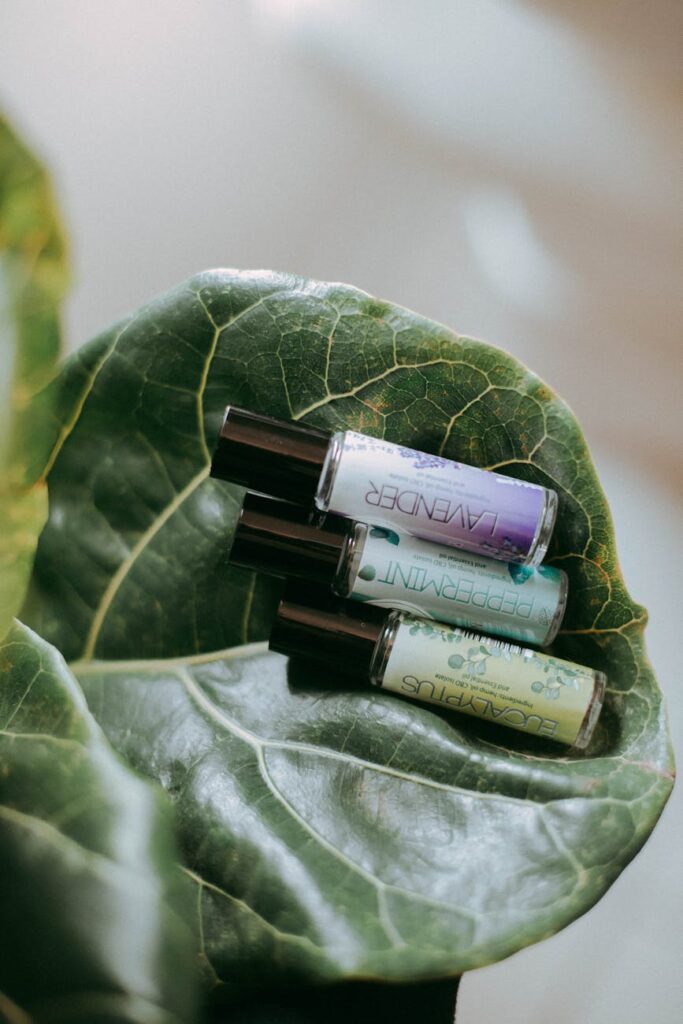
For instance, a blend might combine eucalyptus for respiratory support, lavender for relaxation, and citrus oils for uplifting energy. By carefully selecting complementary oils, these blends aim to address the multifaceted challenges that arise during seasonal changes.
Key Benefits and Properties
1. Mood Regulation
Seasonal changes can significantly affect mood and emotional well-being. Essential oils like bergamot, sweet orange, and ylang-ylang are known for their uplifting qualities. Incorporating these oils into a blend can help alleviate feelings of sadness and anxiety that may accompany seasonal transitions.
2. Respiratory Support
Allergies and respiratory issues often peak during seasonal shifts. Oils such as eucalyptus, peppermint, and tea tree are celebrated for their decongestant and anti-inflammatory properties. A well-crafted blend can help ease symptoms of hay fever, sinus congestion, and other seasonal respiratory challenges.
3. Immune System Boost
Changing seasons often bring about fluctuations in health. Essential oils like oregano, thyme, and lemon are thought to have immune-supporting properties. Blending these oils may help fortify the body’s defenses during times of increased exposure to allergens and illness.
4. Energy and Vitality
As the daylight hours lengthen or shorten, energy levels can fluctuate. Citrus oils, such as grapefruit and lemon, are known for their invigorating properties. Incorporating these oils into a seasonal blend can help improve focus and motivation during transitions that may otherwise lead to fatigue.
5. Skin and Allergy Relief
Seasonal changes can affect skin health and trigger allergic reactions. Essential oils like chamomile, lavender, and geranium possess soothing properties that can help relieve skin irritations. A blend designed for seasonal transitions may promote skin health as well as alleviate allergy symptoms.
Common Uses
1. Diffusion
One of the most popular methods of using essential oil blends is through diffusion. By adding a few drops of the blend to a diffuser, users can enjoy the aromatic benefits while purifying the air. This method is particularly effective for creating a calming atmosphere or uplifting mood during seasonal changes.
2. Topical Application
Essential oil blends can be diluted with a carrier oil (such as jojoba, coconut, or almond oil) and applied topically. This method is beneficial for targeting specific areas, such as the chest for respiratory support or pulse points for mood regulation. However, proper dilution is essential to avoid skin irritation.
3. Bathing
Adding essential oil blends to bathwater can provide a relaxing and therapeutic experience. The warm water helps to disperse the oils, allowing for both aromatherapy and skin benefits. This method is particularly soothing during colder months or after a long day.
4. Inhalation
Inhalation is a simple yet effective way to experience the benefits of essential oils. Placing a few drops of the blend on a tissue or cotton ball and inhaling deeply can provide immediate relief from stress or respiratory discomfort.
5. Household Cleaning
Many essential oils possess antibacterial and antifungal properties, making them excellent additions to household cleaning products. A blend that includes tea tree oil, lemon, or eucalyptus can not only freshen the air but also help to maintain a clean living environment during seasonal transitions.
Aromatherapy Applications
Aromatherapy is the practice of using essential oils to promote physical and psychological well-being. When using essential oil blends for seasonal transitions, consider the following applications:
1. Personal Inhalers
Personal inhalers are portable and can be filled with a chosen essential oil blend. They offer a convenient way to experience the benefits of aromatherapy on the go, whether at work, home, or outdoors.
2. Massage
Incorporating essential oil blends into massage oils can enhance the therapeutic effects of touch. Dilution with a carrier oil is crucial to ensure safe application, especially when targeting areas affected by seasonal discomfort.
3. Sleep Aids
Certain essential oil blends can promote relaxation and improve sleep quality. Blends containing lavender, chamomile, and sandalwood may be particularly effective when used in a diffuser or applied to bedding before sleep.
4. Meditation and Mindfulness
Using essential oil blends during meditation can enhance the experience by creating an inviting atmosphere. Oils like frankincense and sandalwood are often favored for their grounding properties.
Safety Considerations
While essential oils can offer many benefits, it is essential to use them safely. Here are some key points to consider:
1. Skin Sensitivity
Before applying essential oils topically, conduct a patch test to check for allergic reactions or skin sensitivity. Dilution with a carrier oil is recommended, especially for sensitive skin.
2. Pregnancy and Nursing
Pregnant or nursing individuals should consult a healthcare professional before using essential oils, as some oils may not be safe during these periods.
3. Children and Pets
Certain essential oils can be harmful to children and pets. It is crucial to research specific oils and their safety profiles before use in households with young children or animals.
4. Quality of Oils
Always choose high-quality, pure essential oils from reputable sources. Synthetic fragrances or low-quality oils may not provide the desired benefits and could cause adverse reactions.
Storage and Shelf Life
Proper storage is key to maintaining the potency of essential oils and blends. Here are some guidelines:
1. Dark Glass Bottles
Store essential oil blends in dark glass bottles to protect them from light, which can degrade the oils over time.
2. Cool, Dry Place
Keep essential oils away from heat sources and humidity, as these can alter their chemical composition and reduce effectiveness.
3. Shelf Life
Most essential oils have a shelf life of 1 to 3 years, depending on the type of oil. Citrus oils tend to have a shorter shelf life, while oils like patchouli may improve with age. Regularly check for changes in aroma or consistency to ensure freshness.
Frequently Asked Questions
1. Can I create my own essential oil blends for seasonal transitions?
Yes, creating your own blends can be a rewarding experience. Research the properties of different oils and experiment to find combinations that work best for you.
2. How do I know which oils to include in my blend?
Consider the specific challenges you face during seasonal transitions. For instance, if you struggle with allergies, focus on oils known for their respiratory support.
3. Are essential oil blends safe for children?
While some essential oils can be used safely with children, it is essential to dilute them appropriately and choose oils that are known to be safe for young ones. Always consult a professional if uncertain.
4. Can I use essential oils if I have a medical condition?
Individuals with medical conditions should consult a healthcare professional before using essential oils to avoid potential interactions or contraindications.
5. How can I incorporate essential oil blends into my daily routine?
Start by using diffusers, personal inhalers, or adding a few drops to your bath. Gradually explore other applications such as topical use or incorporating them into your cleaning routine.
Conclusion
Essential oil blends for seasonal transitions offer a natural way to support well-being during periods of change. Their aromatic properties and potential health benefits make them a valuable tool in holistic health practices. By understanding their uses, benefits, and safety considerations, individuals can better navigate the challenges that seasonal shifts may bring. As always, it is essential to approach essential oils with respect and knowledge, ensuring a safe and enriching experience.