
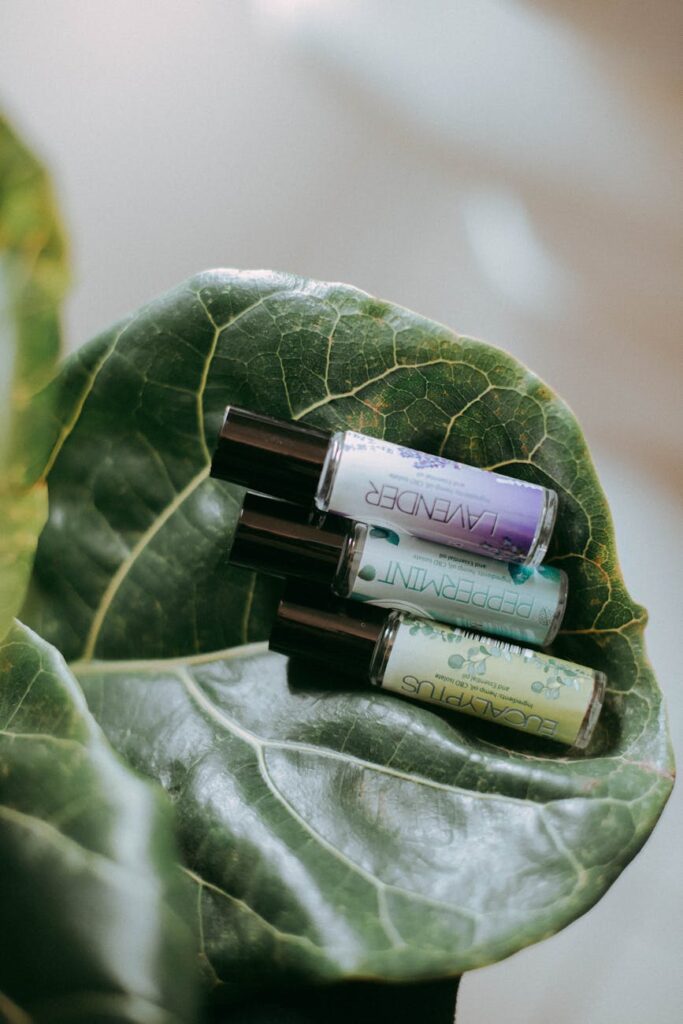
Health Benefits of Essential Oil Blends for Skin Care and Beauty
Introduction
In the realm of holistic wellness and natural beauty, essential oils have garnered significant attention for their multifaceted benefits. Derived from the leaves, flowers, bark, and roots of various plants, essential oils are concentrated liquids that encapsulate the plant’s natural aroma and therapeutic properties. When combined into blends, they can enhance skin care and beauty routines, offering both aromatic and skin-nurturing advantages. This article delves into the essentials of essential oil blends, exploring their benefits, common applications, and practical considerations for safe and effective use in personal care.
What Is Essential Oil Blends for Skin Care and Beauty?
Essential oil blends are combinations of two or more essential oils formulated to target specific skin concerns or enhance beauty routines. By harnessing the unique properties of each oil, these blends aim to create synergistic effects that can improve skin health, enhance mood, and elevate overall well-being. Commonly utilized in skin care, hair care, and aromatherapy, these blends can be tailored to meet various individual needs, ranging from hydration and anti-aging to calming and rejuvenating effects.
Key Benefits and Properties
1. Hydration and Moisturization
Many essential oils possess hydrating properties that help to maintain the skin’s moisture barrier. Oils like lavender and geranium can soothe dryness and improve skin texture, making them ideal for formulations targeting dry or aging skin.
2. Anti-Aging Effects
Certain essential oils, such as rose and frankincense, are renowned for their anti-aging properties. They may promote cell regeneration, reduce the appearance of fine lines, and improve skin elasticity, thus contributing to a more youthful appearance.
3. Antimicrobial and Antiseptic Properties
Essential oils such as tea tree and eucalyptus are known for their antimicrobial qualities, making them beneficial for acne-prone skin. By reducing bacteria on the skin’s surface, these oils can help prevent breakouts and support overall skin health.
4. Soothing and Calming Effects
Many essential oils, including chamomile and bergamot, have calming properties that can help relieve skin irritations and redness. These oils can also provide a sensory experience that soothes the mind, promoting relaxation during application.
5. Brightening and Clarifying
Oils like lemon and carrot seed may assist in brightening the skin and improving overall tone. Their natural astringent properties can help clarify the complexion, making them popular choices for facial blends.
Common Uses
1. Facial Oils
Essential oil blends can be incorporated into facial oils to enhance hydration and nourishment. A blend of jojoba oil with lavender and rose can create a soothing facial oil that balances and rejuvenates the skin.
2. Body Scrubs and Exfoliants
Incorporating essential oils into body scrubs can elevate the exfoliation experience. A mixture of peppermint and sugar can provide invigorating properties while effectively removing dead skin cells.
3. Bath Treatments
Adding essential oil blends to bath water can create a spa-like experience at home. Oils such as ylang-ylang and sandalwood can foster relaxation and provide skin-nourishing benefits.
4. Hair Care
Essential oil blends can also find their place in hair care, where oils like rosemary and lavender can promote scalp health and enhance hair vitality.
5. Aromatherapy Diffusion
While not directly applied to the skin, diffusing essential oil blends can enhance emotional well-being, thus indirectly benefiting skin health by reducing stress-related skin issues.
Aromatherapy Applications
The aromatic properties of essential oil blends play a crucial role in enhancing mental and emotional states. When inhaled, the volatile compounds in essential oils can stimulate the limbic system, the part of the brain responsible for emotions and memories.
1. Stress Relief
Blends containing oils such as lavender, bergamot, and frankincense may help alleviate stress and anxiety. Incorporating these oils into a daily routine can create a calming atmosphere.
2. Mood Enhancement
Citrus oils like sweet orange and grapefruit are often used to uplift mood and invigorate the senses. Blending these oils with grounding oils like patchouli can create a balanced aromatic experience.
3. Meditation and Mindfulness
Certain blends are ideal for meditation practices, fostering a tranquil environment that enhances focus and clarity. Oils such as sandalwood and myrrh can deepen the meditative experience.
Safety Considerations
While essential oils are generally considered safe for topical use, there are essential guidelines to ensure safe application:
1. Dilution
Essential oils are highly concentrated and should always be diluted before applying to the skin. A common dilution ratio is 1-2 drops of essential oil per teaspoon of carrier oil.
2. Patch Testing
Before using a new essential oil blend, conduct a patch test by applying a small amount to a discreet area of skin. Monitor for any adverse reactions over 24 hours.
3. Avoiding Sensitive Areas
Essential oils should avoid sensitive areas, including the eyes, mucous membranes, and open wounds.
4. Pregnancy and Nursing
Certain essential oils should be avoided during pregnancy and nursing. Consult with a qualified professional for guidance on safe options.
5. Allergies and Sensitivities
Individuals with known allergies or skin sensitivities should exercise caution and consult labels carefully to avoid adverse reactions.
Storage and Shelf Life
Proper storage of essential oil blends is essential to maintain their efficacy:
1. Cool, Dark Place
Store essential oil blends in a cool, dark place, away from direct sunlight and heat. UV light can degrade the oils, reducing their effectiveness.
2. Airtight Containers
Use dark glass containers, such as amber or cobalt, to protect the oils from light and oxidation. Ensure that lids are tightly sealed to prevent evaporation.
3. Shelf Life
While the shelf life of essential oils varies, most can last from 1 to 5 years. Citrus oils may have a shorter shelf life due to their volatile nature. Always check for any changes in scent or consistency before use.
Frequently Asked Questions
1. How do I choose the right essential oil blend for my skin type?
Identify your skin type and specific concerns, such as dryness, acne, or aging. Research essential oils that address those issues and consider blending them with carrier oils tailored to your skin’s needs.
2. Can I make my own essential oil blends?
Yes, creating your blends is an enjoyable and personalized process. Start with a base oil and gradually add essential oils, ensuring to adhere to recommended dilution ratios.
3. Are there any essential oils to avoid for sensitive skin?
Some essential oils, such as cinnamon and clove, can be irritating to sensitive skin. Always patch test new oils and consult resources to identify safe options.
4. How often can I use essential oil blends on my skin?
Frequency of use can depend on the specific oils and the individual’s skin response. Generally, applying diluted blends 1-2 times per day is common.
5. What should I do if I have an adverse reaction?
If you experience irritation or an allergic reaction, discontinue use immediately. Wash the area with mild soap and water and apply a carrier oil to dilute the effects. Seek professional advice if necessary.
Conclusion
Essential oil blends offer a harmonious approach to skin care and beauty, combining the therapeutic properties of nature with the art of self-care. With a wealth of benefits, from hydration and anti-aging to mood enhancement, these blends can elevate personal care routines. However, it is vital to follow safety guidelines and conduct thorough research to ensure proper usage. As you explore the world of essential oils, you may discover a path to enhanced beauty and wellness that is both natural and effective.