
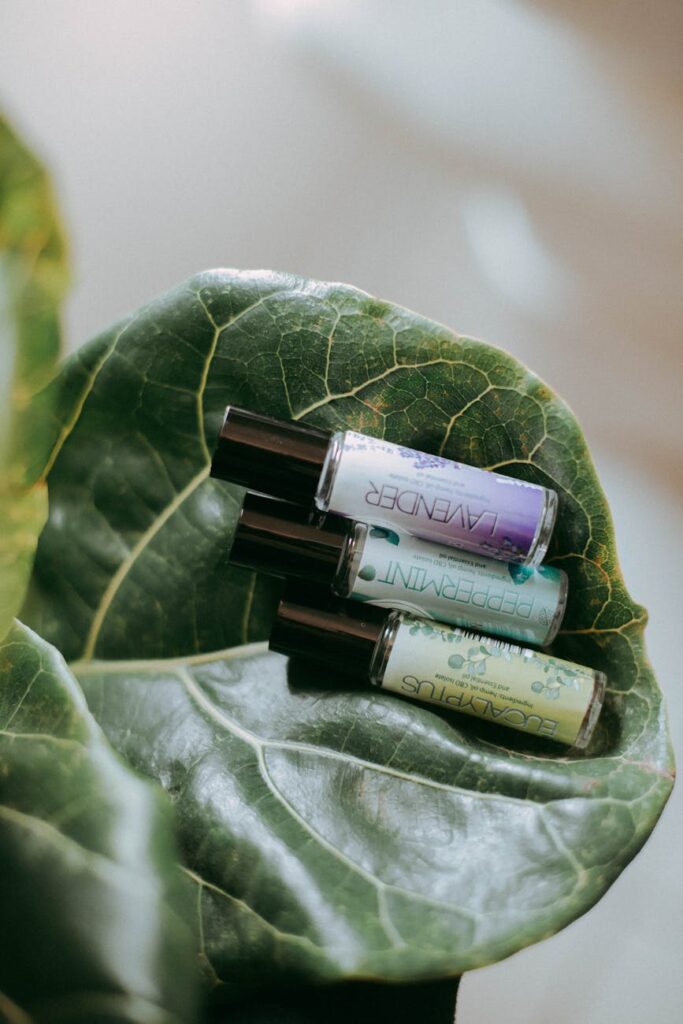
Health Benefits of Essential Oil Blends for Sleep Quality Improvement
Introduction
In today’s fast-paced world, achieving a good night’s sleep can often feel like a daunting task. Stress, anxiety, and various lifestyle factors can disrupt our sleep patterns, leading to fatigue and reduced productivity during the day. One natural remedy that has gained considerable attention is the use of essential oil blends specifically formulated to enhance sleep quality. This article delves into the science and applications of these aromatic solutions, highlighting their benefits, uses, and safety considerations.
What Is Essential Oil Blends for Sleep Quality Improvement?
Essential oil blends for sleep quality improvement are combinations of various plant-derived oils that are known for their calming and soothing properties. These blends typically include oils like lavender, chamomile, and bergamot, which have been studied for their potential to promote relaxation and improve sleep quality. The synergy of multiple essential oils can enhance their individual effects, creating a more effective solution for those seeking a better night’s rest.
Key Benefits and Properties
The key benefits of essential oil blends for sleep quality improvement stem from the unique properties of their individual components. Here are some of the most notable oils commonly included in these blends:
1. Lavender (Lavandula angustifolia)
Lavender is one of the most popular essential oils used in sleep blends. Studies suggest that inhaling lavender can reduce anxiety and improve sleep quality. Its calming scent is thought to lower heart rates and promote relaxation.
2. Chamomile (Matricaria chamomilla)
Chamomile is renowned for its soothing properties. Often consumed as a tea, its essential oil can also promote tranquility and support a restful sleep. Chamomile is particularly effective for those who experience stress or racing thoughts at bedtime.
3. Bergamot (Citrus bergamia)
Bergamot essential oil is derived from the rind of the bergamot orange. Its uplifting yet calming aroma can help alleviate feelings of anxiety and depression, making it an excellent addition to sleep blends.
4. Cedarwood (Cedrus atlantica)
Cedarwood oil has a warm, woodsy scent that is believed to promote relaxation and improve sleep. It may also help alleviate symptoms of insomnia by creating a calming atmosphere.
5. Ylang Ylang (Cananga odorata)
Ylang ylang is known for its sweet floral aroma and is often used in aromatherapy for its calming effects. It can help lower stress levels and promote emotional balance, making it a valuable component in sleep blends.
Common Uses
Essential oil blends designed for sleep improvement can be utilized in various ways, depending on personal preference and the desired effects. Here are some common methods of application:
1. Diffusion
Using an essential oil diffuser is one of the most effective ways to disperse the aroma of sleep blends throughout a room. Simply add a few drops of the blend to the diffuser’s water reservoir and allow the calming scents to fill the space, creating a tranquil environment conducive to sleep.
2. Topical Application
When diluted with a carrier oil, essential oil blends can be applied topically to pulse points, such as wrists, temples, or the back of the neck. This method allows for direct absorption into the skin and can enhance the calming effects.
3. Bath Soaks
Adding essential oil blends to a warm bath can create a soothing experience, helping to relax the body and mind before sleep. Be sure to mix the oils with a dispersing agent, such as Epsom salt or a carrier oil, to prevent skin irritation.
4. Pillow Sprays
Creating a pillow spray with your favorite sleep blend can help promote relaxation as you prepare to sleep. Combine distilled water with essential oils in a spray bottle and lightly mist your pillow and bedding.
Aromatherapy Applications
Aromatherapy is the practice of using essential oils for therapeutic benefits. When it comes to sleep quality improvement, various aromatherapy techniques can enhance the effects of essential oil blends:
1. Inhalation
Simply inhaling the aroma of essential oil blends can have immediate calming effects. You can either use a diffuser or inhale directly from the bottle for a quick sense of relaxation.
2. Meditation and Relaxation Practices
Incorporating essential oil blends into meditation or relaxation practices can deepen your experience. A few drops on a cotton ball or an aromatherapy pendant can help set a tranquil atmosphere, enhancing focus and mindfulness.
3. Sleep Rituals
Creating a bedtime ritual that includes essential oils can signal to your body that it is time to wind down. This could involve dimming the lights, practicing deep breathing, and incorporating the use of essential oil blends.
Safety Considerations
While essential oils are generally regarded as safe when used correctly, it’s important to keep the following safety considerations in mind:
1. Dilution
Essential oils are potent and should be diluted with a carrier oil before topical application to prevent skin irritation. Common carrier oils include coconut oil, jojoba oil, and sweet almond oil.
2. Allergies and Sensitivities
Always conduct a patch test before applying a new essential oil blend to your skin. If you have known allergies or sensitivities, consult with a healthcare professional before using essential oils.
3. Pregnancy and Nursing
Pregnant or nursing individuals should exercise caution and consult with a healthcare provider before using essential oils, as some may not be safe during these periods.
4. Children and Pets
Certain essential oils can be harmful to children and pets. Always research the safety of individual oils and consult with a veterinarian for pet safety.
Storage and Shelf Life
Proper storage is essential for maintaining the efficacy of essential oil blends. Here are some tips:
1. Dark Glass Bottles
Store essential oils in dark glass bottles to protect them from light, which can degrade their quality.
2. Cool, Dry Place
Keep your essential oils in a cool, dry place away from direct sunlight and heat sources. Excessive heat can alter their chemical composition.
3. Shelf Life
Most essential oils have a shelf life of one to three years, depending on the oil. Citrus oils tend to have a shorter shelf life, while oils like patchouli and sandalwood can last longer.
Frequently Asked Questions
1. Can essential oil blends replace sleep medications?
While essential oil blends may promote relaxation and improve sleep quality, they should not be seen as a direct replacement for prescribed sleep medications. Always consult a healthcare provider for appropriate treatment options.
2. How long does it take for essential oils to work?
The effects of essential oils can vary from person to person. Some individuals may feel the calming effects almost immediately, while others may need consistent use over time to notice improvement.
3. Are there any essential oils to avoid for sleep?
Some stimulating essential oils, such as peppermint or citrus oils, may not be conducive to sleep. It’s best to focus on calming oils like lavender, chamomile, and cedarwood for sleep blends.
4. Can essential oils interact with other treatments?
Essential oils may interact with certain medications or treatments. It’s advisable to consult with a healthcare professional if you are undergoing treatment for any health conditions.
Conclusion
Essential oil blends for sleep quality improvement offer a natural and holistic approach to enhancing relaxation and promoting restful sleep. By understanding the benefits, applications, and safety considerations, individuals can make informed choices about incorporating these aromatic solutions into their bedtime routines. While essential oils can be a valuable tool for improving sleep, they should complement a healthy lifestyle and not replace professional medical advice or treatment.