
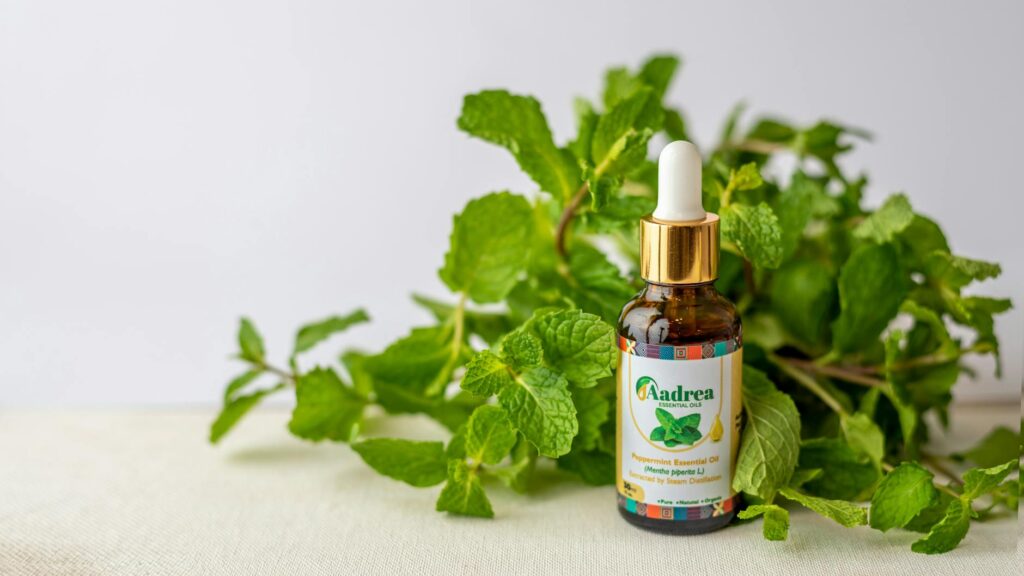
Health Benefits of Essential Oils
Introduction
Essential oils have become increasingly popular in recent years, celebrated for their potential health benefits and aromatic properties. Derived from various plants, these concentrated extracts are believed to offer a range of therapeutic effects. This article aims to explore the nature of essential oils, their benefits, common uses, and applications, as well as safety considerations and storage guidelines.
What Are Essential Oils?
Essential oils are highly concentrated plant extracts obtained through various methods, including steam distillation, cold pressing, or solvent extraction. Each oil is composed of a unique combination of volatile compounds, which contribute to its characteristic aroma and potential therapeutic properties. The term “essential” refers to the essence of the plant’s fragrance, not to the idea that these oils are necessary for human survival.
Essential oils can be extracted from different parts of the plant, including leaves, flowers, stems, bark, and roots. Common sources include lavender, peppermint, eucalyptus, tea tree, and citrus fruits. Due to their potent nature, essential oils are typically used in small quantities and often diluted before application.
Key Benefits and Properties
The benefits of essential oils are diverse and can vary significantly depending on the type. Some of the key properties associated with essential oils include:
- Antimicrobial: Many essential oils possess antimicrobial properties, which may help inhibit the growth of bacteria, fungi, and viruses.
- Anti-inflammatory: Certain oils are known for their anti-inflammatory effects, which may assist in reducing swelling and discomfort.
- Relaxation and Stress Relief: Many people use essential oils for their calming effects, which can promote relaxation and alleviate stress or anxiety.
- Mood Enhancement: Certain oils, like citrus, are believed to uplift mood and enhance emotional well-being.
- Pain Relief: Some oils have analgesic properties, which may help in alleviating minor aches and pains.
- Aromatherapy: The practice of using essential oils for therapeutic benefits, often through inhalation or topical application.
- Personal Care Products: Essential oils are commonly incorporated into skin care, hair care, and personal hygiene products for their fragrance and potential benefits.
- Household Cleaning: Many oils, such as tea tree and lemon, are used in natural cleaning products due to their antimicrobial properties and pleasant scents.
- Cooking and Flavoring: Certain essential oils, like peppermint and lemon, can be used in culinary applications to enhance flavor, though care must be taken to ensure they are food-safe.
- Diffusion: Essential oils can be diffused into the air using a diffuser, allowing the aroma to fill a space and creating a calming environment.
- Inhalation: Direct inhalation from the bottle or a tissue can provide immediate effects, particularly for oils like peppermint or eucalyptus.
- Topical Application: Essential oils can be applied to the skin, often blended with a carrier oil (such as jojoba or almond oil) to dilute their concentration and minimize irritation.
- Baths: Adding essential oils to bathwater can create a relaxing experience and enhance skin hydration.
- Dilution: Essential oils are highly concentrated and should be diluted with a carrier oil before topical application to prevent skin irritation or sensitization.
- Patch Testing: Before applying a new oil, perform a patch test on a small area of skin to check for any adverse reactions.
- Consultation: Pregnant or nursing individuals, children, and those with specific health conditions should consult a healthcare professional before using essential oils.
- Quality: The quality of essential oils can vary widely. It is advisable to purchase from reputable sources that provide information on the purity and sourcing of their products.
- Cool, Dark Place: Essential oils should be stored in a cool, dark environment away from direct sunlight and heat, which can degrade their quality.
- Tightly Sealed Containers: Ensure that bottles are tightly sealed to prevent oxidation and evaporation.
- Shelf Life: The shelf life of essential oils varies depending on the type. Citrus oils tend to have a shorter shelf life (about 1-2 years), while oils like patchouli may last longer (up to 8 years or more). It is advisable to check for any changes in scent or consistency as an indicator of quality.
It is important to note that while essential oils are often touted for these benefits, research is ongoing, and individual experiences may vary.
Common Uses
Essential oils are employed in a variety of settings, including:
Aromatherapy Applications
Aromatherapy is the practice of using essential oils to promote physical and emotional well-being. Here are some common methods of application:
Each method serves different purposes, so individuals may choose based on their preferences and desired outcomes.
Safety Considerations
While essential oils offer numerous benefits, it is essential to approach their use with caution. Here are some key safety considerations:
Storage and Shelf Life
Proper storage is crucial for maintaining the integrity and efficacy of essential oils. Here are some tips for storage:
Frequently Asked Questions
Can essential oils be ingested?
While some essential oils are considered safe for culinary use, many are not intended for ingestion. It is essential to ensure that the oil is food-grade and to consult with a healthcare professional if unsure.
Are all essential oils safe for children and pets?
Not all essential oils are safe for children or pets. Some oils may be too strong or irritating. It’s important to research specific oils and consult with a healthcare professional before use around children or pets.
How do I choose the right essential oil for my needs?
Choosing the right essential oil depends on your personal preferences and desired effects. Research the properties of various oils and consider experimenting with a few to find what resonates with you.
Are there any side effects associated with essential oils?
While many people use essential oils without issues, some individuals may experience allergic reactions or skin sensitivities. Discontinue use if any adverse effects occur and consult a healthcare professional if necessary.
Can essential oils replace traditional medicine?
Essential oils should not be viewed as a replacement for conventional medical treatment. While they may provide supportive benefits in certain contexts, they should be used as complementary tools rather than substitutes for medical care.
Conclusion
Essential oils offer a fascinating array of potential benefits and applications in daily life. From their use in aromatherapy to personal care and household applications, these concentrated plant extracts can enhance well-being in various ways. However, responsible use, proper storage, and awareness of safety considerations are paramount. As interest in essential oils continues to grow, ongoing research will further reveal their properties and potential roles in holistic health practices.