
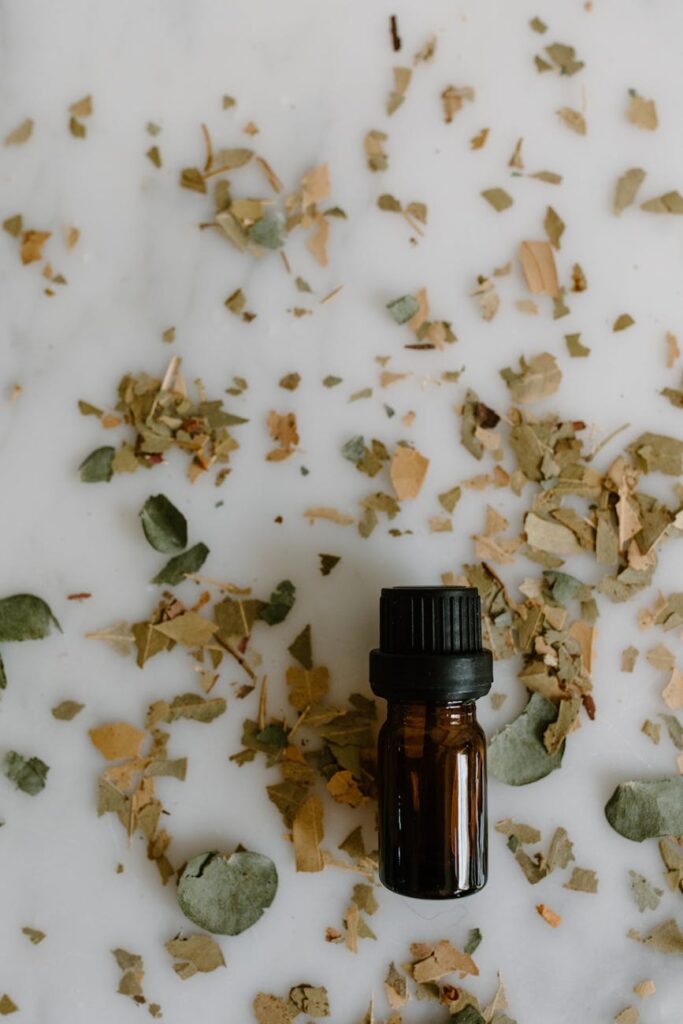
Health Benefits of Eucalyptus Oil Safety
Introduction
Eucalyptus oil is a versatile essential oil derived from the leaves of the eucalyptus tree, primarily Eucalyptus globulus. Known for its invigorating aroma and a wide array of potential health benefits, eucalyptus oil is often incorporated into various wellness practices, including aromatherapy. However, understanding the safety aspects of eucalyptus oil is crucial for effective and responsible use. This article explores the safety considerations, benefits, and common applications of eucalyptus oil.
What Is Eucalyptus Oil Safety?
Eucalyptus oil safety refers to the guidelines and recommendations associated with the responsible use of this essential oil. While eucalyptus oil is generally regarded as safe for many applications, improper usage can lead to adverse effects. Safety encompasses understanding proper dilution, potential allergic reactions, and contraindications for specific populations, such as pregnant women, children, and individuals with certain medical conditions.
Key Benefits and Properties
Eucalyptus oil is celebrated for its unique chemical composition, primarily consisting of eucalyptol (1,8-cineole), which accounts for its distinct properties. Here are some notable benefits:
1. Anti-inflammatory Properties: Eucalyptus oil has been recognized for its potential anti-inflammatory effects, which may help alleviate discomfort associated with various conditions.
2. Antimicrobial Activity: The oil exhibits antimicrobial properties, making it useful for various applications, including cleaning and disinfecting.
3. Respiratory Support: Often utilized for respiratory health, eucalyptus oil may aid in relieving congestion and promoting easier breathing, especially when used in steam inhalation.
4. Pain Relief: Eucalyptus oil is frequently included in topical formulations aimed at providing relief from minor aches and pains.
5. Mental Clarity: The invigorating scent of eucalyptus oil is often associated with enhanced mental clarity and focus, contributing to its popularity in aromatherapy.
Common Uses
The versatility of eucalyptus oil allows for a wide range of applications. Here are some of the most common uses:
- Topical Applications: Diluted eucalyptus oil can be applied to the skin for localized relief from muscle soreness or joint pain.
- Inhalation: Eucalyptus oil is often used in steam inhalation or diffusers to support respiratory health.
- Household Cleaning: The antimicrobial properties of eucalyptus oil make it an excellent choice for natural cleaning products.
- Personal Care Products: Many skincare and hair care products incorporate eucalyptus oil for its refreshing scent and beneficial properties.
- Insect Repellent: Eucalyptus oil is recognized for its efficacy in repelling insects, making it a popular ingredient in natural insect repellents.
- Diffusion: When diffused, eucalyptus oil can purify the air and create an uplifting atmosphere, promoting mental clarity and focus.
- Massage: Blending eucalyptus oil with a carrier oil for massage can provide soothing effects and relieve muscle tension.
- Bathing: Adding eucalyptus oil to bathwater creates a relaxing and invigorating experience, promoting relaxation and mental clarity.
- Steam Inhalation: Inhaling steam infused with eucalyptus oil can help clear nasal passages and promote easier breathing.
- Storage Conditions: Eucalyptus oil should be stored in a cool, dark place away from direct sunlight and heat sources. A dark glass bottle is ideal for preventing oxidation.
- Shelf Life: When stored correctly, eucalyptus oil has a shelf life of approximately 3-4 years. However, it’s advisable to check for any changes in color, aroma, or consistency before use.
Aromatherapy Applications
In aromatherapy, eucalyptus oil is utilized for its invigorating and refreshing properties. Here are some common applications:
Safety Considerations
While eucalyptus oil is widely regarded as safe for many users, certain precautions should be taken:
1. Dilution: Eucalyptus oil should always be diluted with a carrier oil, such as coconut or jojoba oil, before topical application. A common guideline is to use 1-2 drops of essential oil per teaspoon of carrier oil.
2. Allergic Reactions: Before using eucalyptus oil, it is advisable to perform a patch test. Apply a diluted amount to a small area of skin and wait 24 hours to check for any adverse reactions.
3. Avoid Ingestion: Eucalyptus oil is not intended for internal use unless under the guidance of a qualified healthcare professional. Ingesting eucalyptus oil can lead to toxicity.
4. Contraindications: Pregnant women, nursing mothers, and young children should exercise caution with eucalyptus oil. Consulting a healthcare professional is recommended in these cases.
5. Pre-existing Conditions: Individuals with certain medical conditions, such as asthma or epilepsy, should consult a healthcare professional before using eucalyptus oil.
Storage and Shelf Life
Proper storage is essential to maintain the quality of eucalyptus oil:
Frequently Asked Questions
1. Can eucalyptus oil be used for children?
While eucalyptus oil can be used for children over the age of two, it should always be diluted and used with caution. Consulting a healthcare professional is recommended for young children.
2. Can eucalyptus oil help with cold symptoms?
Many people use eucalyptus oil in steam inhalation or diffusers to help alleviate symptoms of colds, such as congestion. However, individual responses may vary.
3. Is eucalyptus oil safe for pets?
Eucalyptus oil can be toxic to some pets, particularly cats and dogs. It is advisable to keep eucalyptus oil out of reach of pets and consult a veterinarian before use.
4. How do I incorporate eucalyptus oil into my skincare routine?
Eucalyptus oil can be added to skincare products in small, diluted amounts. Always perform a patch test to check for sensitivity before applying it to larger areas of skin.
5. Can eucalyptus oil be used in cooking?
Eucalyptus oil is generally not recommended for culinary use due to its potency and potential toxicity when ingested. Always seek guidance from a healthcare professional for internal use.
Conclusion
Eucalyptus oil is a valuable essential oil with a rich history of use in various wellness practices. Its invigorating aroma and potential health benefits make it a popular choice among practitioners of aromatherapy and natural healing. However, understanding the safety considerations surrounding eucalyptus oil is essential for effective and responsible use. By adhering to recommended guidelines and consulting with professionals when necessary, users can safely enjoy the myriad benefits of this remarkable oil.