
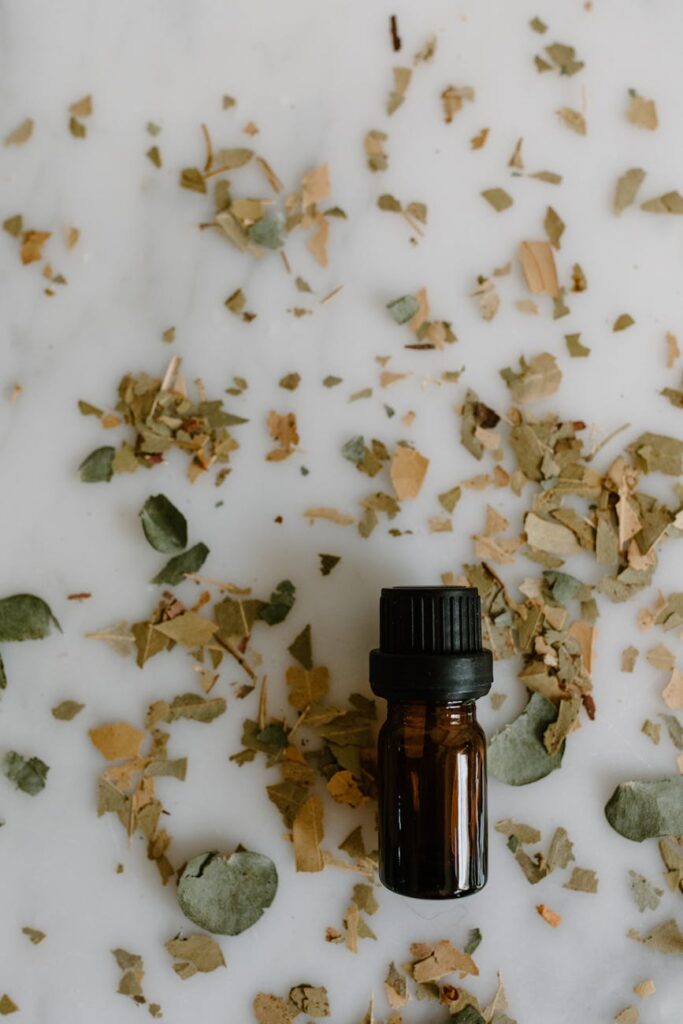
Health Benefits of Eucalyptus Oil
Introduction
Eucalyptus oil, derived from the leaves of the eucalyptus tree, is a popular essential oil known for its distinct aroma and versatile applications. This oil has been utilized for centuries in various cultures for its potential therapeutic properties. As interest in natural remedies continues to grow, eucalyptus oil has gained recognition in the fields of aromatherapy, personal care, and holistic health. This article aims to provide a comprehensive overview of eucalyptus oil, its benefits, uses, safety considerations, and more.
What Is Eucalyptus Oil?
Eucalyptus oil is extracted primarily from the leaves of the Eucalyptus globulus tree, although other species such as Eucalyptus radiata and Eucalyptus citriodora also produce essential oils with varying properties. The extraction process commonly involves steam distillation, which captures the volatile compounds present in the leaves. The resulting oil is clear to pale yellow in color and possesses a fresh, invigorating scent characterized by its minty and slightly woody notes.
Eucalyptus oil is rich in various chemical constituents, including eucalyptol (also known as 1,8-cineole), alpha-pinene, and limonene. These compounds contribute to the oil’s aromatic profile and are believed to underlie many of its beneficial properties.
Key Benefits and Properties
Eucalyptus oil is celebrated for several potential health benefits and properties, including:
Respiratory Support
Eucalyptus oil is often associated with respiratory health. The presence of eucalyptol is thought to contribute to its ability to help clear airways and promote easier breathing. This makes it a popular choice during cold and flu seasons.
Antimicrobial Properties
Research suggests that eucalyptus oil has antimicrobial properties, which may help inhibit the growth of certain bacteria and fungi. This has led to its use in various hygiene products and natural cleaning solutions.
Anti-inflammatory Effects
Eucalyptus oil is believed to possess anti-inflammatory properties, making it a potential option for soothing sore muscles and joints. It may also provide relief from conditions associated with inflammation.
Mental Clarity and Focus
The invigorating scent of eucalyptus oil is often linked to enhanced mental clarity and focus. Its refreshing aroma may help stimulate the mind and boost concentration, making it a favored choice for those seeking an energy lift.
Common Uses
Eucalyptus oil can be utilized in various ways, including:
Inhalation
Many people choose to inhale eucalyptus oil directly by adding a few drops to a diffuser or steam inhalation to experience its aromatic benefits.
Topical Applications
Diluted eucalyptus oil can be applied to the skin for its potential soothing effects. It is often mixed with carrier oils, such as coconut or jojoba oil, before application to minimize the risk of irritation.
Household Cleaning
Due to its antimicrobial properties, eucalyptus oil is frequently used in natural cleaning products. It can be added to homemade cleaners or diffused in spaces to freshen the air.
Bathing
Adding eucalyptus oil to bathwater can create a relaxing and rejuvenating experience. It may help to ease tension and promote relaxation.
Aromatherapy Applications
In aromatherapy, eucalyptus oil is often employed to create a calming and uplifting environment. It is typically used in conjunction with other essential oils to enhance its effects. Some popular blends include:
Eucalyptus and Lavender
This combination is known for its soothing properties, making it an excellent choice for relaxation and sleep enhancement.
Eucalyptus and Peppermint
The pairing of eucalyptus and peppermint can provide a refreshing and invigorating experience, ideal for boosting energy and mental alertness.
Eucalyptus and Tea Tree
This blend capitalizes on the antimicrobial properties of both oils, making it suitable for promoting cleanliness and freshness in the home.
Safety Considerations
While eucalyptus oil is generally considered safe for many individuals, certain precautions should be taken:
Skin Sensitivity
Eucalyptus oil is potent and may cause skin irritation if applied undiluted. Always dilute it with a carrier oil before topical application. A patch test is recommended before using it extensively on the skin.
Ingestion
Eucalyptus oil should not be ingested unless under the supervision of a qualified healthcare professional. Ingesting large amounts can lead to toxicity.
Children and Pregnant Women
Eucalyptus oil may not be suitable for young children and pregnant women. It is advisable to consult a healthcare provider before using eucalyptus oil in these cases.
Allergies
Individuals with asthma or allergies should approach eucalyptus oil with caution, as it may exacerbate respiratory issues in some cases.
Storage and Shelf Life
Proper storage is essential for maintaining the quality of eucalyptus oil. It should be stored in a cool, dark place away from direct sunlight and heat. When stored correctly, eucalyptus oil can have a shelf life of approximately 1 to 3 years. Always check for changes in color, scent, or consistency before use, as these may indicate that the oil has degraded.
Frequently Asked Questions
1. Can eucalyptus oil be used for pets?
Eucalyptus oil is generally not recommended for use around pets, especially cats and some small animals, as it can be toxic to them. Always consult a veterinarian before using essential oils around pets.
2. Is eucalyptus oil safe for children?
Eucalyptus oil should be used with caution in children. Some sources recommend avoiding it in children under the age of two. Always consult a healthcare provider for personalized advice.
3. How can I incorporate eucalyptus oil into my daily routine?
Eucalyptus oil can be added to diffusers, used in homemade cleaning products, or included in bath rituals. Its versatility allows for various applications depending on your preferences.
4. Are there any contraindications for eucalyptus oil?
Individuals with certain medical conditions, such as epilepsy or severe respiratory issues, should consult a healthcare provider before using eucalyptus oil. It may also interact with certain medications.
5. Can eucalyptus oil help with seasonal allergies?
While eucalyptus oil is often used for respiratory support, its effectiveness for seasonal allergies may vary from person to person. It is advisable to consult a healthcare provider for appropriate treatment options.
Conclusion
Eucalyptus oil is a multifaceted essential oil with a rich history of use across various cultures. Its potential benefits range from respiratory support to antimicrobial properties, making it a valuable addition to natural health practices. However, as with any essential oil, it is crucial to use eucalyptus oil responsibly, following safety guidelines and consulting with professionals when necessary. Whether incorporated into personal care routines, household cleaning, or aromatherapy practices, eucalyptus oil offers a refreshing and invigorating experience that many individuals appreciate.