
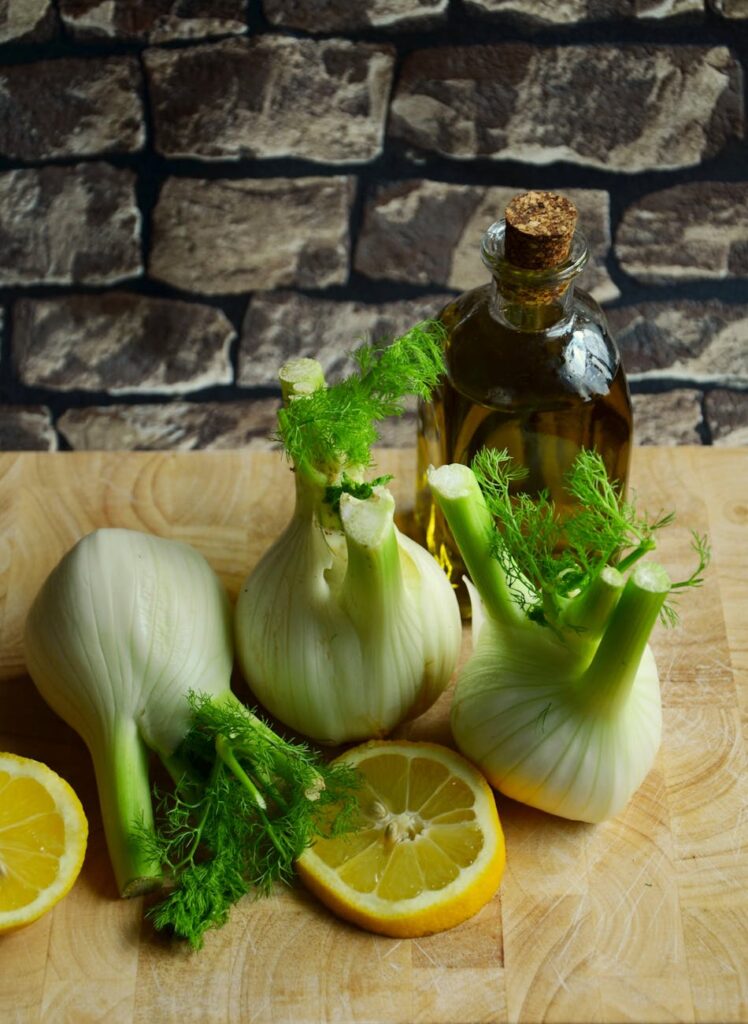
Health Benefits of Fennel Oil Safety
Introduction
Fennel oil, derived from the seeds of the fennel plant (Foeniculum vulgare), has been revered for centuries for its aromatic and therapeutic properties. This essential oil is a staple in both culinary and medicinal practices, known for its warm, sweet, and earthy scent. While the benefits of fennel oil are manifold, understanding its safety is crucial for anyone considering its use in aromatherapy or holistic practices. This article aims to provide a comprehensive overview of fennel oil safety, its benefits, common uses, and important safety considerations.
What Is Fennel Oil Safety?
Fennel oil safety refers to the proper handling, usage, and storage of fennel essential oil to ensure that it is used safely and effectively. Essential oils, while natural, are potent substances that must be treated with care. Fennel oil is particularly noted for its potential health benefits, including digestive support and hormonal balance. However, it is essential to understand the appropriate dosages, methods of application, and contraindications to avoid adverse reactions.
Key Benefits and Properties
Fennel oil is celebrated for its diverse properties, which include:
Antimicrobial Activity
Fennel oil possesses antimicrobial properties that can help inhibit the growth of harmful bacteria and fungi, making it beneficial for topical applications.
Digestive Support
Traditionally, fennel oil has been used to alleviate digestive issues such as bloating, gas, and indigestion. Its carminative properties help soothe the gastrointestinal tract.
Hormonal Balance
Fennel is often associated with supporting women’s health due to its phytoestrogenic properties, which may aid in regulating menstrual cycles and alleviating menopausal symptoms.
Anti-Inflammatory Effects
The oil contains compounds that can help reduce inflammation, potentially providing relief for conditions associated with chronic inflammation.
Antioxidant Properties
Fennel oil is rich in antioxidants, which help combat oxidative stress and may contribute to overall health and wellness.
Common Uses
Fennel oil can be employed in various ways:
Culinary Uses
In cooking, fennel oil can enhance flavors in dishes and is often used in Mediterranean cuisine. A few drops can complement marinades, dressings, and sauces.
Topical Applications
Diluted fennel oil can be applied to the skin to address localized issues, such as muscle tension or skin irritations.
Inhalation
Inhaling fennel oil can promote relaxation and respiratory health. This can be done through diffusers or steam inhalation methods.
Aromatherapy Applications
Fennel oil is frequently used in aromatherapy for its calming and soothing effects. Here are some common applications:
Diffusion
Using a diffuser, fennel oil can be dispersed into the air, creating a calming environment that may reduce stress and anxiety.
Massage
When diluted with a carrier oil, fennel oil can be used in massage to relieve muscle tension and promote relaxation.
Bathing
Adding fennel oil to a warm bath can create a soothing experience, promoting relaxation and enhancing emotional well-being.
Safety Considerations
While fennel oil offers numerous benefits, safety is paramount. Here are some essential safety considerations:
Skin Sensitivity
Fennel oil is highly concentrated and may cause skin irritation if used undiluted. Always dilute the oil with a carrier oil before applying it to the skin.
Pregnancy and Nursing
Pregnant or nursing women should consult a healthcare professional before using fennel oil, as certain compounds may have hormonal effects.
Allergies
Individuals with allergies to plants in the Apiaceae family (such as carrots, celery, and dill) may also be sensitive to fennel oil. A patch test is recommended prior to full application.
Drug Interactions
Fennel oil may interact with certain medications, particularly those affecting hormone levels. Consult a healthcare provider if you are on medication.
Children
Fennel oil is generally not recommended for infants or young children due to its potency. Always consult a healthcare professional for guidance on safe usage.
Storage and Shelf Life
Proper storage of fennel oil is essential to maintain its efficacy. Here are some recommendations:
Storage Conditions
Store fennel oil in a cool, dark place, away from direct sunlight and heat. Exposure to light and heat can degrade the oil, reducing its therapeutic properties.
Container
Use dark glass containers to protect the oil from light. Ensure that the container is tightly sealed to prevent oxidation.
Shelf Life
Fennel oil typically has a shelf life of 2 to 3 years if stored correctly. Always check for any changes in color, scent, or consistency before use, as these may indicate spoilage.
Frequently Asked Questions
Can fennel oil be ingested?
While some people use fennel oil for culinary purposes, it is crucial to ensure the oil is food-grade and to consult a healthcare professional before ingestion.
How can I use fennel oil for digestive issues?
Fennel oil can be diluted and massaged onto the abdomen to support digestive health. However, always consult a healthcare provider to determine the most appropriate usage.
Is fennel oil safe for all skin types?
Not all skin types react the same way to essential oils. Conduct a patch test before using fennel oil on larger areas of the skin to check for sensitivity or allergic reactions.
What are the contraindications for fennel oil?
Fennel oil should be avoided by individuals with certain medical conditions, including hormone-sensitive cancers, epilepsy, and those taking anticoagulant medications. Always consult a healthcare professional prior to use.
How can I incorporate fennel oil into my routine?
Fennel oil can be incorporated into your routine through aromatherapy, topical applications, or culinary uses, as long as safety guidelines are followed.
Conclusion
Fennel oil is a versatile essential oil with a rich history of use in both culinary and therapeutic practices. Its numerous benefits, including digestive support, hormonal balance, and antimicrobial properties, make it a valuable addition to holistic health routines. However, understanding its safety considerations, proper usage, and storage is crucial to harnessing its full potential. As with any essential oil, consulting a healthcare professional is advisable, especially for individuals with specific health concerns or conditions. By following these guidelines, you can safely explore the aromatic and therapeutic world of fennel oil, enhancing your wellness journey.