
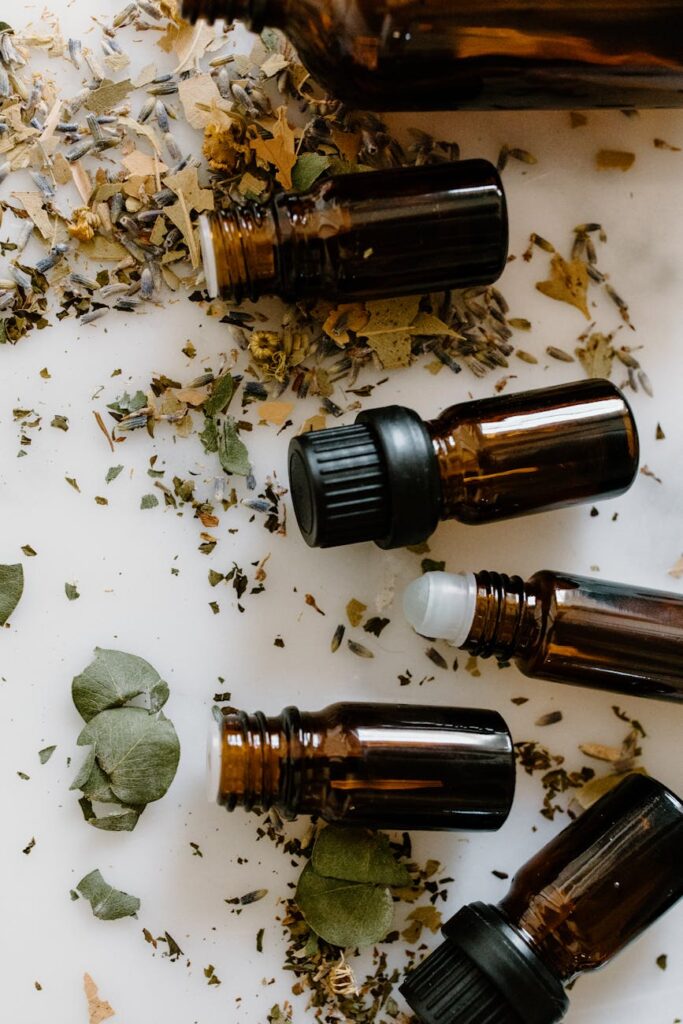
Health Benefits of Floral Herbal Aromatherapy Blends
Introduction
In recent years, the use of essential oils and aromatherapy has gained significant traction as individuals seek natural alternatives to enhance well-being. Floral herbal aromatherapy blends, in particular, combine the soothing properties of flowers with the invigorating qualities of herbs, creating a unique aromatic experience that can promote relaxation and uplift the spirit. This article will explore the various aspects of floral herbal aromatherapy blends, including their definition, benefits, applications, and safety considerations.
What Is Floral Herbal Aromatherapy Blends?
Floral herbal aromatherapy blends are mixtures of essential oils derived from flowering plants and aromatic herbs. These blends harness the fragrant essences of various botanicals, capturing their therapeutic properties. Common floral components include lavender, rose, and chamomile, while herbal elements may encompass peppermint, sage, and rosemary.
The creation of these blends often follows specific principles of aromatherapy, where the chosen oils are selected for their synergistic effects. When combined, these oils can enhance each other’s properties, leading to a more profound impact on the mind and body.
Key Benefits and Properties
Floral herbal aromatherapy blends offer a wide array of benefits, largely attributed to the unique characteristics of their constituent plants. Here are some of the key benefits and properties associated with these blends:
1. Stress Relief and Relaxation
Many floral oils, such as lavender and ylang-ylang, are renowned for their calming effects. When blended with herbs like chamomile and lemon balm, these oils can create a soothing environment conducive to relaxation and stress reduction.
2. Mood Enhancement
The uplifting properties of certain floral and herbal essential oils can help elevate mood. For instance, blends containing bergamot or geranium may promote feelings of happiness and emotional balance.
3. Sleep Support
Certain floral herbal blends, such as those incorporating lavender and valerian root, are often used to support restful sleep. These combinations can create a serene atmosphere, making it easier to unwind before bedtime.
4. Respiratory Support
Herbal oils like eucalyptus and peppermint, when combined with floral oils, can support respiratory health. These blends may help clear the airways and promote easier breathing, particularly during cold seasons.
5. Skin Care and Beauty
Many floral and herbal essential oils possess properties beneficial for skin health. For example, rose and tea tree oil can help address skin concerns when incorporated into blends, promoting a radiant complexion.
Common Uses
Floral herbal aromatherapy blends can be employed in various settings and for numerous purposes, including:
1. Diffusion
Using an essential oil diffuser is one of the most popular methods for dispersing floral herbal blends throughout a room. This technique allows the aromatic compounds to fill the air, creating an uplifting or calming environment.
2. Topical Application
Diluting floral herbal blends in carrier oils enables safe application to the skin. This method is particularly effective for targeted relief, such as soothing tension in the neck or shoulders.
3. Bathing
Adding floral herbal blends to bathwater can create a luxurious and relaxing experience. The warm water and aromatic oils work together to soothe both the body and mind.
4. Inhalation
Direct inhalation of floral herbal blends can provide immediate benefits. Inhaling from the bottle or using a personal inhaler can offer quick relief for stress or anxiety.
5. Massage
Incorporating floral herbal blends into massage oils can enhance the overall experience, providing both physical and emotional benefits during the massage.
Aromatherapy Applications
Floral herbal aromatherapy blends are versatile and can be tailored to meet individual preferences and needs. Here are some common applications:
1. Custom Blends
Creating personalized blends allows individuals to select oils that resonate with their unique needs. Combining oils such as lavender, frankincense, and rosemary can create a custom blend for relaxation and focus.
2. Seasonal Blends
Utilizing different floral herbal blends according to the season can enhance the experience. For instance, uplifting citrus and floral blends may be favored in spring and summer, while grounding, woodsy blends may be preferred in fall and winter.
3. Rituals and Mindfulness
Incorporating floral herbal blends into mindfulness practices, such as meditation or yoga, can deepen the experience. The calming scents can help center the mind and enhance focus.
4. Aromatherapy in Workspaces
Introducing floral herbal blends into office environments can improve mood and productivity. Diffusing energizing blends during work hours may help alleviate stress and enhance concentration.
Safety Considerations
While floral herbal aromatherapy blends can offer numerous benefits, it is essential to consider safety precautions:
1. Dilution
Essential oils are highly concentrated and should always be diluted in a carrier oil before topical application. This practice minimizes the risk of skin irritation.
2. Allergies and Sensitivities
Individuals with allergies or skin sensitivities should conduct a patch test before using any new blend. If irritation occurs, discontinue use immediately.
3. Pregnancy and Medical Conditions
Pregnant individuals or those with specific medical conditions should consult a healthcare professional before using essential oils, as some oils may not be safe during pregnancy or may interact with medications.
4. Avoiding Ingestion
Ingesting essential oils is generally not recommended unless under the guidance of a qualified professional. Some oils may be toxic when consumed.
5. Children and Pets
When using floral herbal blends, consider the sensitivities of children and pets. Some essential oils can be harmful to animals and small children, so it is advisable to keep oils out of reach and consult a professional if uncertain.
Storage and Shelf Life
Proper storage can extend the shelf life of floral herbal aromatherapy blends. Here are some tips:
1. Dark Glass Containers
Store essential oils in dark glass bottles to protect them from light, which can degrade their quality over time.
2. Cool, Dry Place
Keep oils in a cool, dry place away from direct sunlight and heat sources. Excessive heat can alter the chemical composition of the oils.
3. Check Expiration Dates
While essential oils do not spoil in the traditional sense, they can lose potency over time. Always check for expiration or best-by dates when purchasing.
4. Avoid Contamination
To maintain oil purity, avoid introducing water or other substances into the bottles. Use a dropper or pipette for transfer.
Frequently Asked Questions
1. Can I create my own floral herbal blend at home?
Yes, creating your own floral herbal blend is a rewarding experience. Experiment with different oils and proportions to find a blend that suits your preferences.
2. How do I know which oils to combine?
Research the properties of various essential oils and consider their therapeutic effects. You may also follow pre-made recipes available in aromatherapy guides.
3. Can floral herbal blends help with anxiety?
Many individuals report positive effects from using floral herbal blends for anxiety. While they can promote relaxation, individual experiences may vary.
4. How often can I use floral herbal blends?
The frequency of use depends on individual preferences and sensitivities. Some individuals may use them daily, while others may prefer occasional use.
5. Are floral herbal blends safe for children?
Certain essential oils may be safe for children, but it is essential to dilute them and consult a professional for guidance on appropriate oils and concentrations.
Conclusion
Floral herbal aromatherapy blends offer a multifaceted approach to enhancing well-being, providing benefits that range from stress relief to mood enhancement. By understanding their properties, applications, and safety considerations, individuals can effectively incorporate these aromatic blends into their daily routines. As the popularity of aromatherapy continues to grow, floral herbal blends remain a cherished aspect of holistic wellness practices.