
Health Benefits of Floral Hydrosols for Acne Prevention
Introduction
Acne is a common concern for many individuals, particularly during adolescence and young adulthood. While conventional treatments exist, many people seek natural alternatives to manage their skin health. Floral hydrosols, often regarded as the aromatic byproducts of essential oil distillation, have gained popularity in the realm of skincare, especially for acne prevention. This article delves into the nature of floral hydrosols, their properties, and practical applications for maintaining healthy skin.
What Are Floral Hydrosols for Acne Prevention?
Floral hydrosols, also known as floral waters, are created during the steam distillation process used to extract essential oils from plants. When plant material is distilled, the steam captures the volatile compounds, which condense into essential oils and hydrosols. The hydrosol contains water-soluble compounds, making it a gentler alternative to essential oils.
In the context of acne prevention, floral hydrosols can offer a variety of benefits due to their therapeutic properties. The most commonly used floral hydrosols for this purpose include rose, lavender, chamomile, and geranium. Each of these hydrosols exhibits unique characteristics that contribute to skin health.
Key Benefits and Properties
Floral hydrosols possess several beneficial properties that make them effective in acne prevention:
1. Antimicrobial Properties
Many floral hydrosols contain natural antimicrobial agents that can help inhibit the growth of acne-causing bacteria. For example, lavender hydrosol is known for its antibacterial properties, which can aid in reducing breakouts.
2. Anti-inflammatory Effects
Acne is often associated with inflammation. Floral hydrosols such as chamomile and rose exhibit anti-inflammatory properties that can help soothe irritated skin, reduce redness, and promote healing.
3. Hydration and Moisture Balance
Hydrosols can provide hydration to the skin without the heaviness of oils. This is particularly beneficial for acne-prone skin, which often requires moisture while avoiding excessive oiliness.
4. Balancing Oil Production
Certain floral hydrosols, like geranium, can help regulate sebum production. This is crucial for individuals with oily skin, as excess oil can contribute to clogged pores and acne formation.
5. Skin Calming Effects
The calming aroma of floral hydrosols can also play a role in skincare. Stress is known to exacerbate acne, and the soothing scents of hydrosols can promote relaxation, potentially reducing stress-related breakouts.
Common Uses
Floral hydrosols can be incorporated into skincare routines in various ways:
1. Facial Toner
Hydrosols can be used as natural facial toners to help balance the skin’s pH and remove residual impurities after cleansing.
2. Mist or Spray
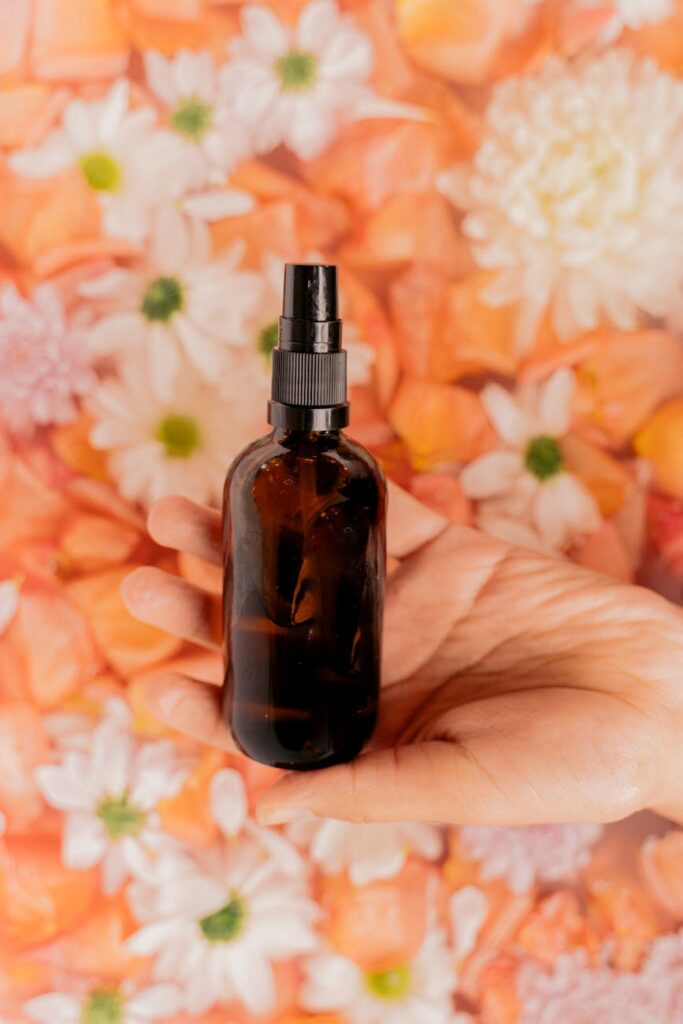
Using floral hydrosols as a facial mist can provide instant hydration and refreshment throughout the day. This is especially beneficial in dry environments.
3. Soothing Compress
Soaked cotton pads in floral hydrosol can be applied as a soothing compress on inflamed areas to reduce redness and irritation.
4. Additive in Masks and Scrubs
Hydrosols can be mixed into homemade face masks or scrubs to enhance their effectiveness while providing additional hydration and soothing properties.
5. Bath Additive
Adding floral hydrosols to bathwater can create a relaxing and aromatic experience, benefiting both the skin and overall well-being.
Aromatherapy Applications
Floral hydrosols can also be utilized in aromatherapy, promoting emotional well-being alongside physical benefits. Their pleasant fragrances have a calming effect, making them suitable for stress relief. The principles of aromatherapy suggest that inhaling the aromatic compounds can influence mood and emotional states.
1. Inhalation
A few drops of floral hydrosol can be added to a diffuser or simply inhaled directly from the bottle. The aroma can help reduce stress and promote a sense of calm, which may indirectly support skin health.
2. Massage Blends
Incorporating floral hydrosols into massage oils can enhance the therapeutic experience, providing both physical and emotional benefits during the massage.
Safety Considerations
While floral hydrosols are generally considered safe for topical application, it is essential to perform a patch test before widespread use. Individuals with sensitive skin or specific allergies should exercise caution. Additionally:
- Dilution: While hydrosols are milder than essential oils, they can still be potent. Diluting them with a carrier substance may enhance safety and compatibility with different skin types.
- Pregnancy and Nursing: Pregnant or nursing individuals should consult with a healthcare professional before using floral hydrosols, as certain hydrosols may not be recommended during these periods.
- Interactions: While rare, it is important to be aware of potential interactions with other skincare products or medications.
- Cool and Dark Environment: Hydrosols should be stored in a cool, dark place, away from direct sunlight and heat sources to prevent degradation.
- Refrigeration: For extended shelf life, refrigeration is recommended.
- Expiration: Floral hydrosols typically have a shelf life of 6 months to 2 years, depending on the specific type and storage conditions. It is advisable to check for any changes in color, odor, or consistency before use.
Storage and Shelf Life
To maintain the quality of floral hydrosols, proper storage is crucial:
Frequently Asked Questions
1. Can floral hydrosols replace my current skincare products?
Floral hydrosols can supplement your skincare routine, but they should not necessarily replace established products. They work best in conjunction with other skincare elements.
2. How often should I use floral hydrosols?
Usage frequency can vary based on individual skin types and concerns. Generally, they can be used daily as part of a skincare regimen.
3. Are floral hydrosols suitable for all skin types?
Most floral hydrosols are gentle and suitable for various skin types, including sensitive skin. However, it’s important to perform a patch test before full application.
4. What is the difference between floral hydrosols and essential oils?
Floral hydrosols are the water-soluble byproducts of essential oil distillation and are milder than essential oils, which are concentrated extracts. Hydrosols are suitable for direct application on the skin, while essential oils often require dilution.
5. Can I use floral hydrosols if I have severe acne?
While floral hydrosols may provide benefits for mild to moderate acne, individuals with severe acne should consult a healthcare professional for appropriate treatment options.
Conclusion
Floral hydrosols present a natural, gentle alternative for managing acne and promoting healthy skin. Their unique properties and versatility make them valuable additions to skincare routines. While they can offer various benefits, it is essential to approach their use thoughtfully and consider individual skin types and specific concerns. As with any skincare product, understanding one’s skin and consulting reliable sources will ensure the best possible outcomes.