
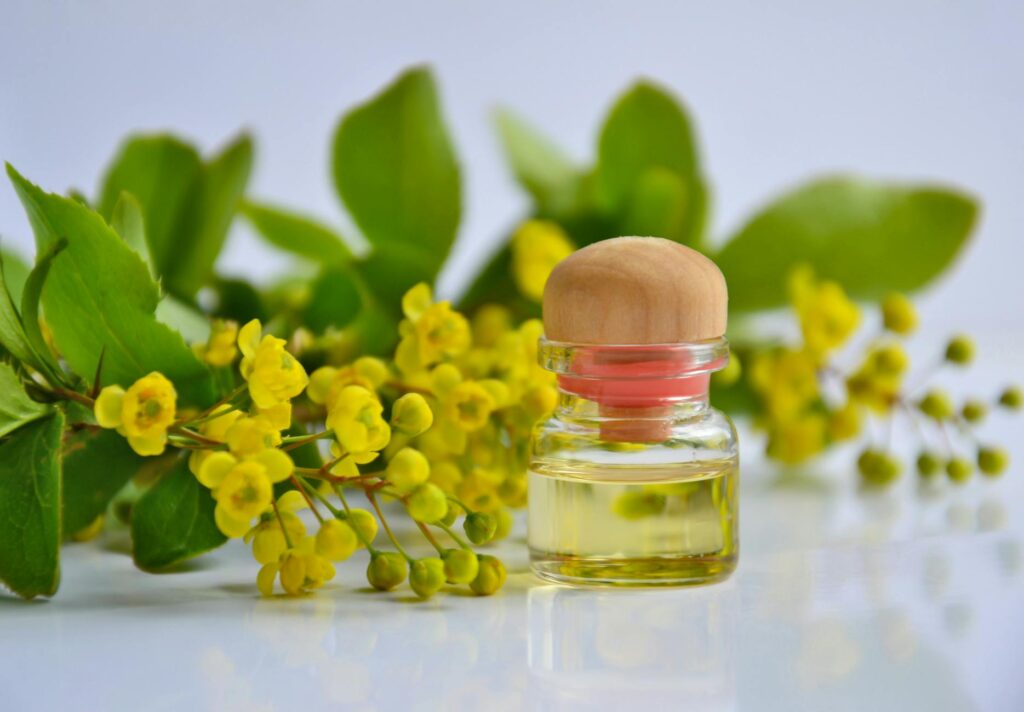
Health Benefits of Floral Hydrosols for Acne Treatment
Introduction
Acne is a prevalent skin condition that affects individuals across various age groups. Characterized by the appearance of pimples, blackheads, and cysts, acne can lead to emotional distress and affect one’s self-esteem. While numerous treatments exist, many individuals seek natural remedies to support skin health and address acne. One such remedy gaining popularity is floral hydrosols. This article explores the role of floral hydrosols in acne treatment, detailing their properties, common uses, and safety considerations.
What Are Floral Hydrosols for Acne Treatment?
Floral hydrosols, also known as floral waters, are aromatic water by-products obtained during the steam distillation of plant materials, particularly flowers. Unlike essential oils, which are concentrated extracts, hydrosols contain lower concentrations of active compounds. They retain the scent and therapeutic properties of the plant while being gentler on the skin, making them suitable for various skin types, including sensitive skin prone to acne.
Common floral hydrosols include:
- Rose Hydrosol: Known for its soothing and hydrating properties.
- Lavender Hydrosol: Renowned for its calming and antiseptic qualities.
- Chamomile Hydrosol: Valued for its anti-inflammatory and soothing effects.
- Neroli Hydrosol: Appreciated for its balancing and skin-rejuvenating properties.
- Lavender Hydrosol: Often used in calming sprays or diffusers to create a serene environment.
- Rose Hydrosol: Frequently included in rituals aimed at enhancing emotional well-being and self-love.
- Patch Test: Always perform a patch test before using a new hydrosol. Apply a small amount to a discreet area of skin and observe for any adverse reactions over 24 hours.
- Quality and Purity: Choose high-quality, pure hydrosols from reputable sources. Some commercially available products may contain additives or synthetic ingredients that could irritate the skin.
- Storage: Store hydrosols in a cool, dark place to preserve their properties and extend shelf life.
- Keep hydrosols in dark glass bottles to protect them from light.
- Avoid exposing them to heat or direct sunlight.
- Always close the bottle tightly after use to avoid contamination.
These hydrosols offer a range of benefits, particularly for individuals dealing with acne.
Key Benefits and Properties
Floral hydrosols possess several attributes that make them beneficial for acne-prone skin:
1. Anti-inflammatory Properties
Many floral hydrosols contain anti-inflammatory compounds that can help reduce redness and swelling associated with acne. For instance, chamomile hydrosol is known for its ability to calm irritated skin, while lavender hydrosol can help alleviate inflammation.
2. Antimicrobial Effects
Some hydrosols display antimicrobial properties that may inhibit the growth of acne-causing bacteria. Lavender and rose hydrosols, for example, are noted for their natural antibacterial effects, which can help keep the skin clear.
3. Hydration and Moisture Balance
Hydrosols provide hydration without the heaviness of oils. This is particularly beneficial for acne-prone skin, which may be sensitive to heavier products. Rose and neroli hydrosols are especially noted for their hydrating and balancing properties.
4. Skin Tone and Texture Improvement
Regular use of floral hydrosols may improve skin tone and texture. The astringent qualities of some hydrosols, like rose, can help tighten pores and promote a more even complexion.
5. Aromatherapeutic Benefits
In addition to their topical benefits, floral hydrosols can provide emotional and psychological benefits through their aromatic properties. The scents of lavender and chamomile, for example, can help reduce stress and anxiety, which may indirectly benefit skin health.
Common Uses
Floral hydrosols can be incorporated into daily skincare routines in various ways:
1. Facial Toner
Floral hydrosols can be used as a natural facial toner. Simply spritz the hydrosol onto clean skin after cleansing to help tighten pores and prepare the skin for moisturizer.
2. Spot Treatment
For localized acne treatment, apply a small amount of hydrosol to a cotton pad and gently dab it onto affected areas. This can help reduce inflammation and promote healing.
3. Soothing Mist
Floral hydrosols can be used as a soothing mist throughout the day. This is particularly beneficial in hot weather or after rigorous physical activities, providing a refreshing boost to the skin.
4. Bath Addition
Adding floral hydrosols to bathwater can offer a calming and relaxing experience while benefiting the skin. This is especially true for chamomile and lavender hydrosols, which can help soothe both the body and mind.
5. Ingredient in DIY Skincare
Floral hydrosols can serve as a base for DIY skincare products. They can be mixed with oils, butters, or other natural ingredients to create personalized serums and creams.
Aromatherapy Applications
In addition to their topical benefits, floral hydrosols can be utilized in aromatherapy practices. Their scents can evoke emotional responses and promote relaxation. For instance:
Incorporating floral hydrosols into your aromatherapy practice can complement their topical applications, creating a holistic approach to skin and emotional health.
Safety Considerations
While floral hydrosols are generally safe for most individuals, there are a few considerations to keep in mind:
Storage and Shelf Life
The shelf life of floral hydrosols can vary depending on the type and quality. Generally, they can last from six months to two years when stored properly. To ensure longevity:
Signs that a hydrosol may have gone bad include changes in color, odor, or the presence of sediment. If any of these signs are observed, it is advisable to discard the product.
Frequently Asked Questions
1. Can floral hydrosols be used on all skin types?
Yes, floral hydrosols are generally considered suitable for various skin types, including sensitive skin. However, individual reactions may vary, so it is essential to perform a patch test before widespread use.
2. How often can I use floral hydrosols for acne treatment?
Hydrosols can be used daily as part of your skincare routine. They can be applied multiple times throughout the day, particularly as a toner or soothing mist.
3. Can I mix different floral hydrosols together?
Yes, mixing floral hydrosols can create a synergistic effect and enhance their benefits. However, be mindful of the scents and properties of the hydrosols you choose to combine.
4. Are floral hydrosols safe for pregnant or nursing women?
Most floral hydrosols are considered safe for use during pregnancy and nursing. However, it is always advisable to consult with a healthcare professional before using new products during these periods.
5. Do floral hydrosols replace traditional acne treatments?
While floral hydrosols may complement traditional acne treatments, they should not be considered a replacement for prescribed therapies. Always consult with a healthcare professional for advice on acne management.
Conclusion
Floral hydrosols present a gentle and effective option for those seeking natural support for acne-prone skin. With their anti-inflammatory, antimicrobial, and hydrating properties, these aromatic waters can enhance skincare routines and promote overall skin health. As with any skincare product, individual results may vary, and it is essential to approach any new treatment with mindfulness and care.