
Health Benefits of Floral Hydrosols for Aging Support
Introduction
In recent years, the interest in natural remedies for aging support has surged, leading many individuals to explore the benefits of essential oils and their by-products. One such by-product gaining attention is floral hydrosols. Often overshadowed by their more concentrated counterparts, essential oils, hydrosols offer a gentler approach to harnessing the therapeutic properties of plants. This article delves into the health benefits of floral hydrosols specifically for aging support, exploring their properties, common applications, and safety considerations.
What Are Floral Hydrosols?
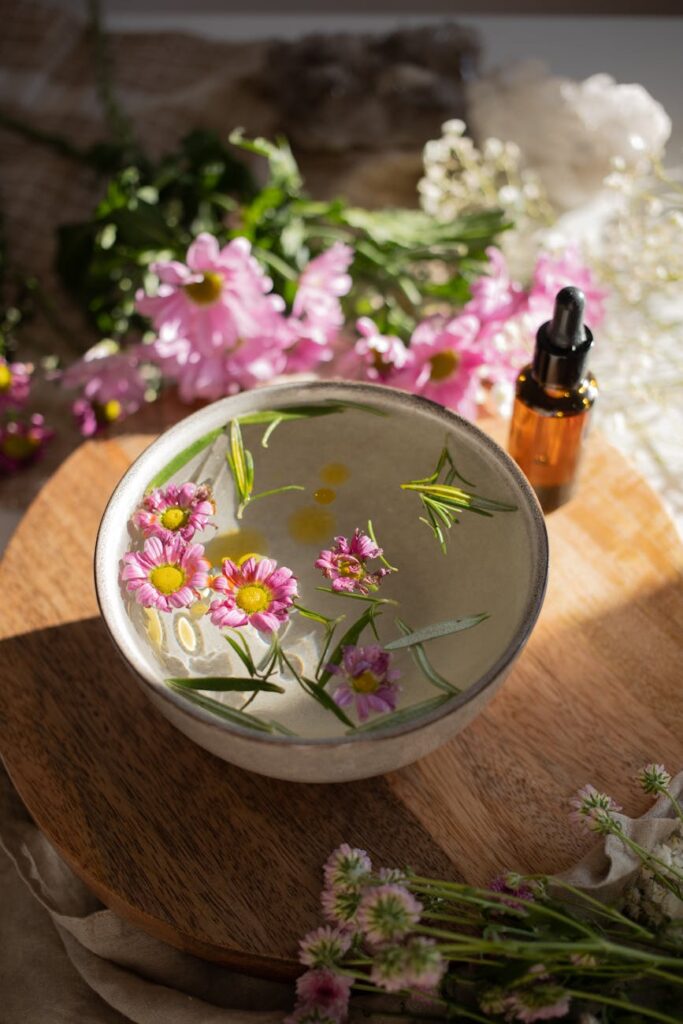
Floral hydrosols, also known as flower waters, are the aromatic waters produced during the steam distillation of plant materials, primarily flowers. Unlike essential oils, which are highly concentrated, hydrosols contain a more diluted form of the plant’s constituents, making them suitable for a variety of uses, including skincare and wellness applications.
The distillation process involves passing steam through plant materials, allowing the volatile compounds to evaporate and subsequently condense into a liquid form. The result is a hydrosol that retains some of the aromatic and therapeutic properties of the plant from which it is derived, albeit in a much milder form.
Key Benefits and Properties
Floral hydrosols are celebrated for their diverse benefits, especially in the context of aging support. Below are some of the key properties:
1. Hydration and Moisturization
As the skin ages, it tends to lose moisture, leading to dryness and a loss of elasticity. Floral hydrosols, such as rose and lavender, are known for their hydrating properties. When applied topically, they can provide an instant boost of moisture, helping to maintain skin hydration and improve its overall appearance.
2. Anti-Inflammatory Effects
Many floral hydrosols possess anti-inflammatory properties, which can be beneficial for aging skin that is often more sensitive and prone to irritation. For instance, chamomile hydrosol is renowned for its soothing effects, potentially alleviating redness and discomfort.
3. Antioxidant Properties
Oxidative stress is a significant factor in the aging process. Certain floral hydrosols, like those derived from hibiscus, contain antioxidants that can help combat free radicals, contributing to healthier-looking skin.
4. Skin Regeneration
Some hydrosols can promote skin regeneration, aiding in the appearance of fine lines and wrinkles. The regenerative properties of geranium hydrosol, for example, can help stimulate cell turnover, leading to a more youthful complexion.
5. Aromatherapy Benefits
The scent of floral hydrosols can provide emotional and psychological support, which is especially important as one ages. The calming properties of lavender and chamomile hydrosols can help reduce stress and promote relaxation, contributing to overall well-being.
Common Uses
Floral hydrosols can be incorporated into various aspects of daily life, particularly for skincare and wellness routines. Here are some common uses:
1. Facial Toners
Hydrosols make excellent facial toners, balancing the skin’s pH levels and preparing it for further skincare application. Spraying a hydrosol onto the face after cleansing can enhance hydration and skin texture.
2. Mist for Hydration
Using floral hydrosols as a facial mist throughout the day can provide a refreshing boost of hydration, particularly in dry environments or during warmer months.
3. Bath Soaks
Adding a few tablespoons of floral hydrosol to bathwater can enhance the bathing experience, promoting relaxation and providing skin benefits simultaneously.
4. Hair Care
Certain floral hydrosols, like rosemary and lavender, can be used as hair mists to nourish the scalp and add fragrance to hair, while also potentially promoting hair health.
5. Compresses and Soaks
Hydrosols can be used in compresses for localized treatment of inflammation or irritation, offering soothing properties for conditions like puffiness around the eyes.
Aromatherapy Applications
Incorporating floral hydrosols into aromatherapy can enhance both physical and emotional well-being. Here are some applications:
1. Room Sprays
Utilizing floral hydrosols to create room sprays can help purify the air while providing a pleasant aroma. This can be particularly useful in promoting a calming atmosphere, ideal for relaxation or meditation.
2. Massage Oils
Diluting floral hydrosols in carrier oils can create a fragrant base for massage, allowing the recipient to benefit from both the aroma and the soothing effects on the skin.
3. Inhalation
For a quick aromatherapy session, simply inhaling the scent of a floral hydrosol can provide emotional support and relaxation. This method can be particularly effective when feeling stressed or overwhelmed.
Safety Considerations
While floral hydrosols are generally safe for most individuals, there are some considerations to keep in mind:
1. Patch Test
Before using a new hydrosol topically, performing a patch test is advisable. Apply a small amount to a discreet area of skin to check for any adverse reactions.
2. Pregnancy and Breastfeeding
Although many floral hydrosols are considered safe, it is advisable for pregnant or breastfeeding individuals to consult with a healthcare professional before use.
3. Sensitivity to Ingredients
Individuals with allergies or sensitivities should carefully read ingredient lists and avoid hydrosols derived from plants they are allergic to.
Storage and Shelf Life
Proper storage of floral hydrosols is essential for maintaining their quality and longevity. Here are some tips:
1. Cool, Dark Places
Store hydrosols in a cool, dark place, away from direct sunlight. This helps to preserve their aromatic and therapeutic properties.
2. Refrigeration
For extended shelf life, some individuals prefer to refrigerate their hydrosols. This can help maintain freshness and potency.
3. Expiration Dates
Typically, floral hydrosols have a shelf life of six months to two years, depending on the plant material and storage conditions. Always check for signs of spoilage, such as changes in color or scent.
Frequently Asked Questions
1. What is the difference between essential oils and floral hydrosols?
Essential oils are highly concentrated extracts from plants, while floral hydrosols are the by-products of the distillation process that yield essential oils. Hydrosols are milder, making them suitable for direct application on the skin.
2. Can I use floral hydrosols on sensitive skin?
Many floral hydrosols are suitable for sensitive skin, but it is advisable to perform a patch test before widespread use.
3. How often should I use floral hydrosols?
Usage frequency can vary based on individual preferences and needs. They can be applied multiple times a day as a mist, toner, or part of a skincare routine.
4. Are floral hydrosols safe for children?
Most floral hydrosols are safe for children, but it is best to consult with a healthcare professional before use, especially for very young children.
5. Where can I purchase high-quality floral hydrosols?
High-quality floral hydrosols can be found at health food stores, specialty aromatherapy shops, and online retailers. Look for products that are pure and free from additives.
Conclusion
Floral hydrosols offer a gentle and versatile option for those seeking natural support in their aging journey. With their hydrating properties, soothing effects, and aromatic benefits, they can be a valuable addition to skincare and wellness practices. By understanding their uses, benefits, and safety considerations, individuals can make informed choices in incorporating these botanical treasures into their daily lives.