
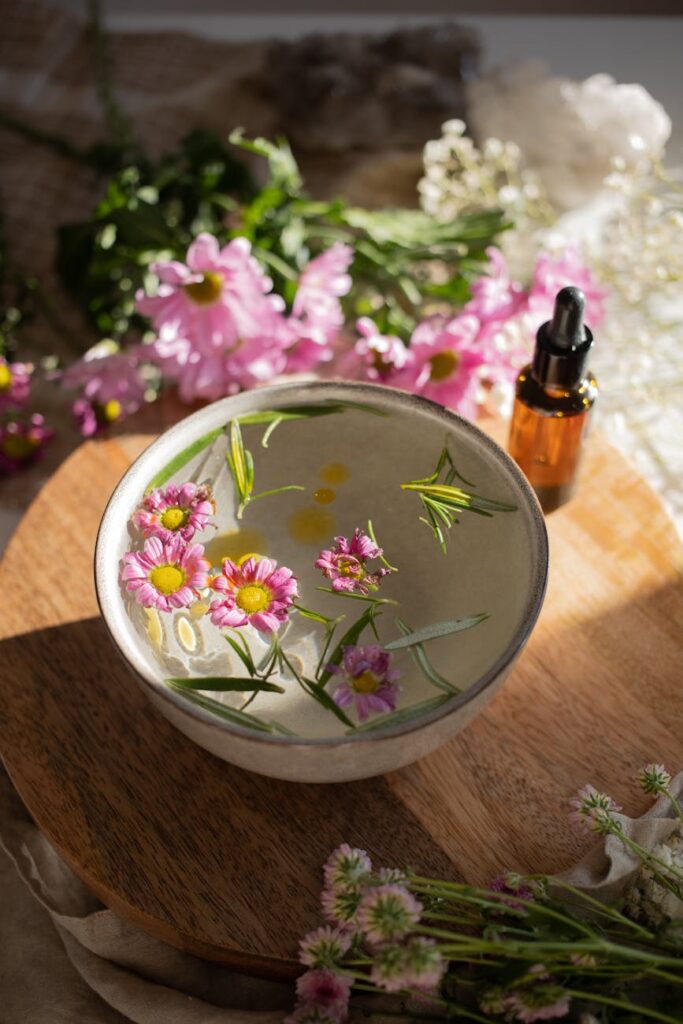
Health Benefits of Floral Hydrosols for Anti-Inflammatory Support
Introduction
Floral hydrosols, often referred to as floral waters, are the aromatic byproducts of the steam distillation process used to extract essential oils from plants. Unlike essential oils, which are concentrated and potent, hydrosols are gentler, retaining a more subtle fragrance and a variety of beneficial properties. As natural remedies gain popularity, the use of floral hydrosols for their anti-inflammatory properties has garnered attention. This article explores the nature of floral hydrosols, their key benefits, common applications, and safety considerations.
What Are Floral Hydrosols for Anti-Inflammatory Support?
Floral hydrosols are created when steam passes through plant material, extracting volatile compounds, essential oils, and water-soluble constituents. The resulting liquid contains a small amount of essential oil and a range of plant metabolites. Hydrosols are typically less concentrated than essential oils, making them suitable for a variety of applications, including skincare, cooking, and therapeutic uses.
Several floral hydrosols, such as rose, chamomile, and lavender, are believed to possess anti-inflammatory properties. These compounds can soothe irritated skin, reduce redness, and promote overall well-being. While scientific research is still ongoing, anecdotal evidence and traditional use suggest that these hydrosols can play a supportive role in reducing inflammation.
Key Benefits and Properties
Floral hydrosols are celebrated for their diverse benefits. Here are some key properties that contribute to their anti-inflammatory support:
1. Anti-Inflammatory Compounds
Many floral hydrosols contain phenolic compounds, flavonoids, and other phytochemicals known for their anti-inflammatory effects. These compounds can help reduce inflammation in the body and alleviate symptoms associated with inflammatory conditions.
2. Soothing Properties
The gentle nature of hydrosols makes them ideal for sensitive skin. They can soothe irritation and reduce redness, making them suitable for conditions such as eczema, dermatitis, and sunburn.
3. Antioxidant Effects
Hydrosols often contain antioxidants that help combat oxidative stress in the body. By neutralizing free radicals, these antioxidants can support the body’s natural defenses and contribute to overall health.
4. Hydration and Nourishment
Floral hydrosols provide hydration and nourishment to the skin. They can help maintain the skin’s moisture balance, which is essential in managing inflammation and promoting healing.
5. Relaxation and Stress Relief
The aromatic properties of floral hydrosols can promote relaxation and reduce stress, which in turn may help mitigate inflammation. Stress is known to exacerbate inflammatory responses in the body.
Common Uses
Floral hydrosols can be used in various ways, making them versatile additions to health and wellness routines. Here are some common uses for their anti-inflammatory support:
1. Skin Care
Hydrosols can be applied directly to the skin as toners or mists to soothe irritation and redness. They can be incorporated into creams, lotions, or serums for added hydration and calming effects.
2. Bath Additive
Adding floral hydrosols to bathwater can create a soothing and aromatic experience. They can help relax muscles and reduce skin inflammation after a long day.
3. Compresses
Soaked cloths or gauze in floral hydrosols can be applied to inflamed areas, providing localized relief and hydration.
4. Inhalation Therapy
Inhalation of floral hydrosol vapors can promote relaxation and stress relief, indirectly supporting anti-inflammatory processes in the body.
5. Culinary Uses
Some floral hydrosols, such as rose or orange blossom, can be used in cooking or baking to add flavor and potential health benefits to dishes.
Aromatherapy Applications
In the realm of aromatherapy, floral hydrosols can be used in various ways to promote emotional and physical well-being:
1. Diffusion
While hydrosols are less potent than essential oils, they can still be used in diffusers for a gentle aromatic experience. They can create a calming environment that may help alleviate stress and promote relaxation.
2. Misting
Using a hydrosol as a facial mist can provide a refreshing and soothing effect. It is particularly beneficial during hot weather or after exercise.
3. Massage
Diluting floral hydrosols in carrier oils can create a soothing massage oil. This combination can help alleviate muscle tension and promote relaxation.
4. Meditation and Mindfulness
Incorporating floral hydrosols into meditation practices can enhance the sensory experience and promote a sense of calm and peace.
Safety Considerations
While floral hydrosols are generally safe for topical and aromatic use, it is essential to consider a few safety guidelines:
1. Patch Testing
Individuals with sensitive skin or allergies should conduct a patch test before applying hydrosols to larger areas of the skin. This helps identify any potential allergic reactions.
2. Quality Matters
It is crucial to choose high-quality floral hydrosols from reputable sources. Poor-quality products may contain additives or contaminants that could cause adverse reactions.
3. Avoiding Sensitive Areas
Avoid applying hydrosols to sensitive areas, such as around the eyes, without prior dilution or guidance from a knowledgeable source.
4. Consultation with Professionals
For individuals with underlying health conditions or pregnant women, consulting with healthcare professionals before using floral hydrosols is advisable.
Storage and Shelf Life
Proper storage is essential for maintaining the integrity of floral hydrosols. Here are some tips to ensure longevity:
1. Cool, Dark Place
Store hydrosols in a cool, dark place away from direct sunlight and heat sources. This helps preserve their aromatic properties and therapeutic benefits.
2. Refrigeration
Some floral hydrosols benefit from refrigeration, which can extend their shelf life and enhance their refreshing qualities.
3. Sealed Containers
Use airtight containers to prevent contamination and evaporation. Glass bottles are preferred over plastic, as they do not leach chemicals into the hydrosol.
4. Shelf Life
Generally, floral hydrosols have a shelf life of 1 to 3 years, depending on the plant material and storage conditions. It’s advisable to check for any changes in color, smell, or consistency before use.
Frequently Asked Questions
1. Are floral hydrosols safe for children?
Generally, floral hydrosols are considered safe for children when used appropriately. However, it is always best to consult with a healthcare provider for specific guidance.
2. Can I use floral hydrosols during pregnancy?
While many floral hydrosols are safe, it is recommended that pregnant women consult with a healthcare professional before use.
3. How can I tell if a hydrosol is of high quality?
Look for hydrosols that are organic, steam-distilled, and free from additives. Check for clear labeling and transparency from the manufacturer.
4. Can floral hydrosols be mixed together?
Yes, floral hydrosols can be blended for enhanced benefits and unique aromatic profiles. Experimenting with combinations can yield delightful results.
5. How do I incorporate hydrosols into my daily routine?
You can use hydrosols as facial mists, bath additives, or in skincare products. They can also be integrated into cooking or as an aromatic experience in your home.
Conclusion
Floral hydrosols offer a gentle yet effective approach to anti-inflammatory support. With their soothing properties, antioxidant effects, and versatility in various applications, they hold a valuable place in holistic health practices. As interest in natural remedies continues to grow, floral hydrosols stand out for their accessibility, ease of use, and potential health benefits. By incorporating these aromatic waters into your daily routine, you may find a natural ally in your journey towards wellness.