
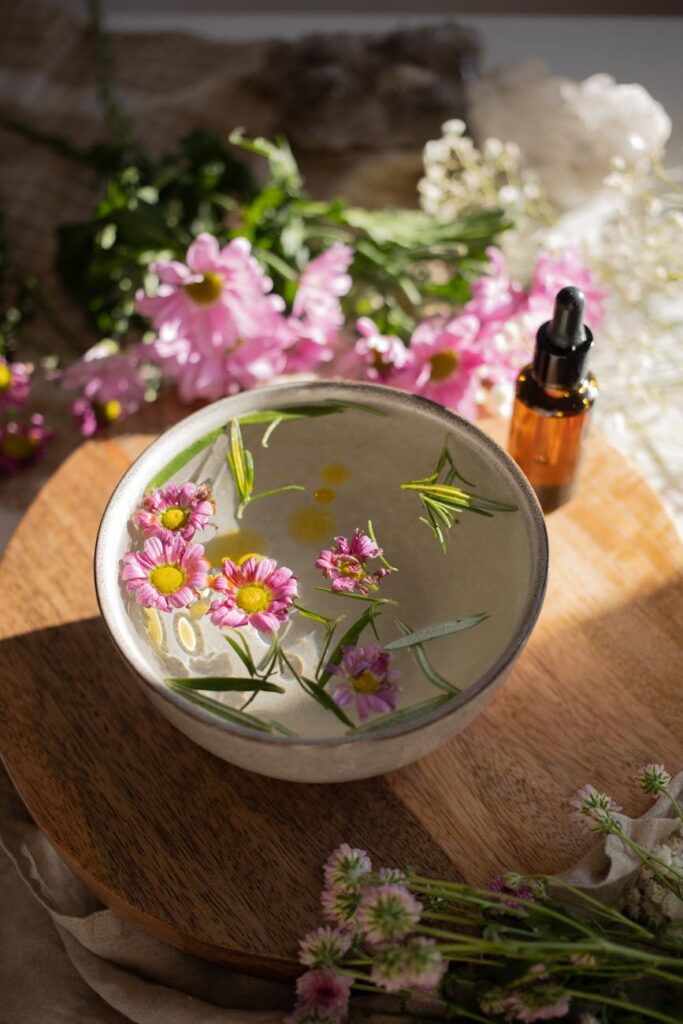
Health Benefits of Floral Hydrosols for Eye Care
Introduction
Floral hydrosols, also known as flower waters, are aromatic by-products of the steam distillation process used to extract essential oils from plants. While essential oils are concentrated and potent, hydrosols retain a gentle essence of the original plant, offering a milder alternative that is particularly beneficial for sensitive areas, such as the eyes. The delicate nature of floral hydrosols makes them suitable for various applications, including eye care. This article explores the properties, benefits, and uses of floral hydrosols in the context of eye health.
What Is Floral Hydrosols for Eye Care?
Floral hydrosols are created during the distillation of plant materials, capturing the water-soluble components of the plant while leaving behind the concentrated essential oils. Common flowers used to make hydrosols include rose, chamomile, lavender, and rosemary. Each hydrosol possesses unique properties that can offer soothing and refreshing effects for the eyes.
In eye care, the gentle nature of floral hydrosols makes them an appealing choice for individuals seeking natural remedies. They can be used in various forms, such as compresses, sprays, or as an ingredient in skincare formulations. However, it is essential to understand their properties and applications to take full advantage of their benefits.
Key Benefits and Properties
Floral hydrosols for eye care offer several beneficial properties:
1. Anti-Inflammatory Effects
Many floral hydrosols possess anti-inflammatory properties that can help soothe irritated eyes. For example, chamomile hydrosol is renowned for its calming effects, making it a popular choice for alleviating redness and swelling.
2. Hydration
Hydrosols are primarily composed of water, making them an excellent way to hydrate the skin around the eyes. Rose hydrosol, in particular, is known for its moisturizing qualities, which can help maintain the skin’s elasticity and suppleness.
3. Antioxidant Properties
Some floral hydrosols contain antioxidants that can protect the skin from oxidative stress. Lavender hydrosol, for example, is known for its ability to combat free radicals, promoting healthy skin around the eyes.
4. Soothing and Calming Effects
The aroma and properties of floral hydrosols can have a calming effect on the mind and body. This can be especially beneficial for individuals experiencing eye strain or fatigue. The gentle scent of lavender or rose can promote relaxation and alleviate stress.
5. Antimicrobial Properties
Certain floral hydrosols exhibit antimicrobial properties, which can help prevent infections. For instance, rosemary hydrosol has been studied for its potential to inhibit the growth of bacteria, making it a suitable option for maintaining eye hygiene.
Common Uses
Floral hydrosols can be incorporated into eye care routines in various ways:
1. Eye Compresses
Soaking a clean cloth in a floral hydrosol and placing it over closed eyes can provide instant relief from tiredness and puffiness. Chamomile and rose hydrosols are particularly effective for this purpose.
2. Refreshing Eye Sprays
Floral hydrosols can be used as a refreshing facial or eye spray. Simply fill a spray bottle with your chosen hydrosol and mist it over the face and eyes to hydrate and rejuvenate.
3. Ingredients in Skincare Products
Floral hydrosols can be blended into creams, gels, or serums designed for the delicate skin around the eyes. They enhance the formulation’s soothing qualities and provide a natural fragrance.
4. Bath Soaks
Adding floral hydrosols to a warm bath can create a soothing experience for the entire body, including the eyes. The steam from the bath can help to release the hydrosol’s aromatic properties, promoting relaxation.
Aromatherapy Applications
In aromatherapy, floral hydrosols serve as versatile tools for enhancing well-being. The gentle nature of hydrosols allows for easy incorporation into various practices:
1. Diffusion
Floral hydrosols can be used in a diffuser to create a calming atmosphere. When diffusing lavender or chamomile hydrosol, one can benefit from the soothing aroma while also hydrating the air.
2. Bathing Rituals
Creating a calming bath experience by adding floral hydrosols can enhance relaxation. The hydrosol’s therapeutic properties can be absorbed through the skin and inhaled, providing a multisensory experience.
3. Massage Oils
Hydrosols can be blended with carrier oils to create massage oils. This combination can be particularly soothing for the eye area when applied gently around the eyes to alleviate tension.
Safety Considerations
While floral hydrosols are generally safe, certain precautions should be taken, especially when using them around the eyes:
1. Patch Testing
Before applying any new hydrosol to the skin, it is advisable to perform a patch test to check for allergic reactions. Apply a small amount to an inconspicuous area and observe for any adverse reactions.
2. Avoid Direct Contact with Eyes
While many floral hydrosols are gentle, it is best to avoid direct contact with the eyes. If any hydrosol accidentally gets into the eyes, rinse thoroughly with clean water.
3. Consultation for Sensitive Conditions
Individuals with specific eye conditions or sensitivities should consult with a healthcare professional before using floral hydrosols as part of their eye care routine.
Storage and Shelf Life
Proper storage of floral hydrosols is crucial to maintaining their quality and effectiveness:
1. Cool, Dark Place
Store floral hydrosols in a cool, dark place away from direct sunlight. Exposure to light and heat can degrade their properties over time.
2. Sealed Containers
Ensure that hydrosols are stored in airtight containers to prevent contamination and evaporation. Glass bottles are often preferred for storage due to their inert nature.
3. Shelf Life
Most floral hydrosols have a shelf life of 6 to 12 months, depending on the flower and storage conditions. Always check for changes in color, odor, or sediment before use.
Frequently Asked Questions
1. Can I use floral hydrosols daily for eye care?
Yes, floral hydrosols can be used daily, but it is essential to observe how your skin reacts and adjust usage accordingly.
2. Are floral hydrosols suitable for sensitive skin?
Floral hydrosols are generally gentle and suitable for sensitive skin. However, it is always advisable to perform a patch test first.
3. Can I use floral hydrosols if I wear contact lenses?
While many people use hydrosols safely while wearing contacts, it is best to consult with an eye care professional to ensure compatibility.
4. What is the difference between floral hydrosols and essential oils?
Floral hydrosols are water-based and much milder than essential oils, which are concentrated and should be used with caution.
5. How can I choose the right floral hydrosol for my needs?
Consider your specific needs, such as hydration, soothing effects, or aroma preferences. Research the properties of different hydrosols to find one that aligns with your goals.
Conclusion
Floral hydrosols offer a gentle and versatile option for eye care, promoting hydration, calming effects, and overall well-being. Their unique properties make them valuable additions to personal care routines, especially for those seeking natural alternatives. By understanding their benefits, uses, and proper precautions, individuals can harness the power of floral hydrosols to enhance their eye care practices.