
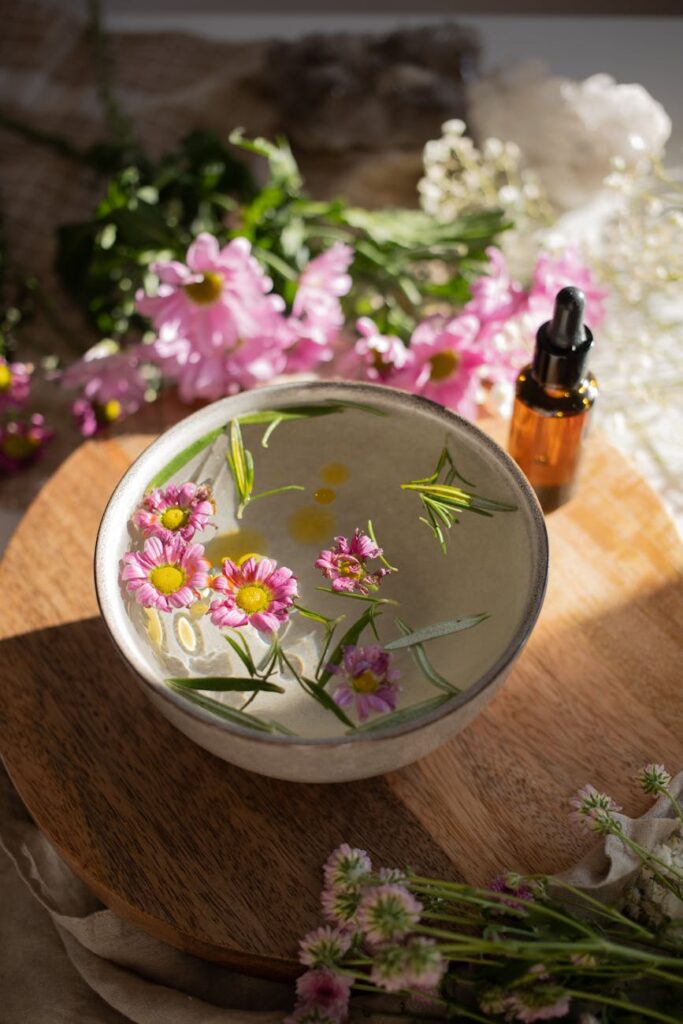
Health Benefits of Floral Hydrosols for Hormonal Balance with Specific Flowers
Introduction
Floral hydrosols, often referred to as flower waters or hydrosol distillates, are aromatic waters produced during the steam distillation of essential oils. These gentle, fragrant waters retain many of the therapeutic properties of their parent plants, making them a valuable addition to holistic practices, particularly for those seeking hormonal balance. This article explores the concept of floral hydrosols, their key benefits, common uses, aromatherapy applications, and safety considerations, with a special focus on specific flowers known for their hormonal balancing properties.
What Is Floral Hydrosols for Hormonal Balance with Specific Flowers?
Floral hydrosols are the byproduct of the essential oil distillation process. When steam distillation occurs, the steam captures the essential oil compounds and then condenses back into water. The resulting liquid is rich in water-soluble components, including plant nutrients, trace elements, and aromatic compounds. Unlike essential oils, hydrosols are milder, making them suitable for various applications, including skincare, culinary uses, and therapeutic practices.
When it comes to hormonal balance, specific floral hydrosols are identified for their potential benefits. For instance, rose, lavender, and geranium hydrosols have long been associated with emotional wellness and hormonal regulation.
Key Benefits and Properties
1. Rose (Rosa damascena)
Rose hydrosol is renowned for its soothing properties and is often linked to emotional balance, making it beneficial for those experiencing hormonal fluctuations. It is believed to help alleviate symptoms of PMS and menopause, such as mood swings and irritability. The hydrosol also possesses anti-inflammatory and antioxidant properties, promoting overall skin health and vitality.
2. Lavender (Lavandula angustifolia)
Lavender hydrosol is celebrated for its calming effects. Its soothing aroma can help reduce stress and anxiety, which are often exacerbated by hormonal changes. Studies suggest that lavender may assist in regulating cortisol levels, the hormone associated with stress. This regulation may indirectly support hormonal balance, particularly during times of high emotional stress.
3. Geranium (Pelargonium graveolens)
Geranium hydrosol is known for its potential to support emotional well-being and hormonal balance. It is often used to alleviate symptoms related to menstruation and menopause. The hydrosol is believed to help regulate oil production in the skin, making it beneficial for those experiencing hormonal acne.
4. Clary Sage (Salvia sclarea)
Clary sage hydrosol is particularly noted for its potential to relieve menstrual pain and support hormonal balance. It may assist in regulating estrogen levels, thereby helping to alleviate some symptoms of hormonal imbalance.
5. Chamomile (Matricaria chamomilla)
Chamomile hydrosol is valued for its calming properties and can help ease anxiety and promote relaxation. Its anti-inflammatory properties may also support overall hormonal health, particularly during stressful times.
Common Uses
Floral hydrosols can be used in various ways, including:
- Facial Toner: Hydrosols can be applied as a facial toner to hydrate and soothe the skin. Their gentle nature makes them suitable for all skin types.
- Bath Additive: Adding hydrosols to bathwater can create a relaxing and aromatic experience, enhancing emotional well-being.
- Room Spray: Hydrosols can be used as natural room sprays to uplift the atmosphere and promote relaxation.
- Compresses: Soaking a cloth in hydrosol and applying it to the forehead or abdomen can provide relief from discomfort associated with hormonal fluctuations.
- Culinary Uses: Some floral hydrosols can be used as flavoring agents in culinary creations, adding a delicate floral note to dishes and beverages.
- Patch Test: Always perform a patch test before applying a new hydrosol to the skin to check for any allergic reactions.
- Dilution: Although floral hydrosols are milder than essential oils, it is advisable to dilute them further, especially when using them with children or individuals with sensitive skin.
- Consultation: While hydrosols are natural, it is always best to consult a healthcare provider if you are pregnant, nursing, or have specific health concerns.
Aromatherapy Applications
Aromatherapy integrates the use of floral hydrosols into holistic practices, acknowledging their benefits for both physical and emotional health. Here are some common applications:
1. Diffusion
Hydrosols can be diffused in the air to create a calming environment. For example, lavender hydrosol can be used in a diffuser to promote relaxation and reduce stress.
2. Inhalation
Inhaling the aroma of floral hydrosols can provide immediate emotional support. A few spritzes of rose hydrosol can uplift the mood and instill feelings of love and compassion.
3. Massage
Diluting floral hydrosols with a carrier oil for massage can promote relaxation and enhance emotional well-being. Geranium hydrosol, combined with a carrier oil, may help balance the skin’s oil production during hormonal changes.
4. Meditation and Yoga
Incorporating floral hydrosols into meditation or yoga practices can enhance the experience. Spraying a calming hydrosol, such as chamomile, in the environment can create a serene atmosphere conducive to mindfulness.
Safety Considerations
While floral hydrosols are generally considered safe and well-tolerated, a few precautions should be noted:
Storage and Shelf Life
Floral hydrosols should be stored in a cool, dark place to preserve their aromatic properties and extend their shelf life. A glass spray bottle is ideal for storage, as it limits exposure to light and air. Generally, hydrosols have a shelf life of 1-3 years, depending on the type and storage conditions. Always check for any changes in color, aroma, or consistency before use.
Frequently Asked Questions
1. Can floral hydrosols be used on all skin types?
Yes, floral hydrosols are generally gentle and suitable for all skin types. However, it’s always wise to perform a patch test before applying them widely.
2. How do I choose the right hydrosol for hormonal balance?
Selecting a hydrosol depends on your specific needs. For emotional support, consider rose or lavender. For skin-related hormonal issues, geranium or clary sage may be more appropriate.
3. Can I mix different hydrosols?
Yes, blending different floral hydrosols can create unique aromas and benefits. Experimenting with combinations can yield delightful results tailored to your preferences.
4. Are floral hydrosols safe for children?
Most floral hydrosols are considered safe for children, but it is essential to consult with a healthcare provider before use, particularly for younger children or those with skin sensitivities.
5. Can I use floral hydrosols in cooking?
Certain floral hydrosols, such as rose and lavender, can be used in culinary applications. Always verify that the hydrosol is suitable for ingestion and sourced from reputable suppliers.
Conclusion
Floral hydrosols represent a gentle yet effective way to tap into the therapeutic benefits of flowers for hormonal balance. With their myriad applications in skincare, aromatherapy, and holistic health, they offer a versatile tool for emotional and physical well-being. By understanding the specific benefits of individual hydrosols and their uses, individuals can embrace the power of nature in promoting hormonal harmony.