
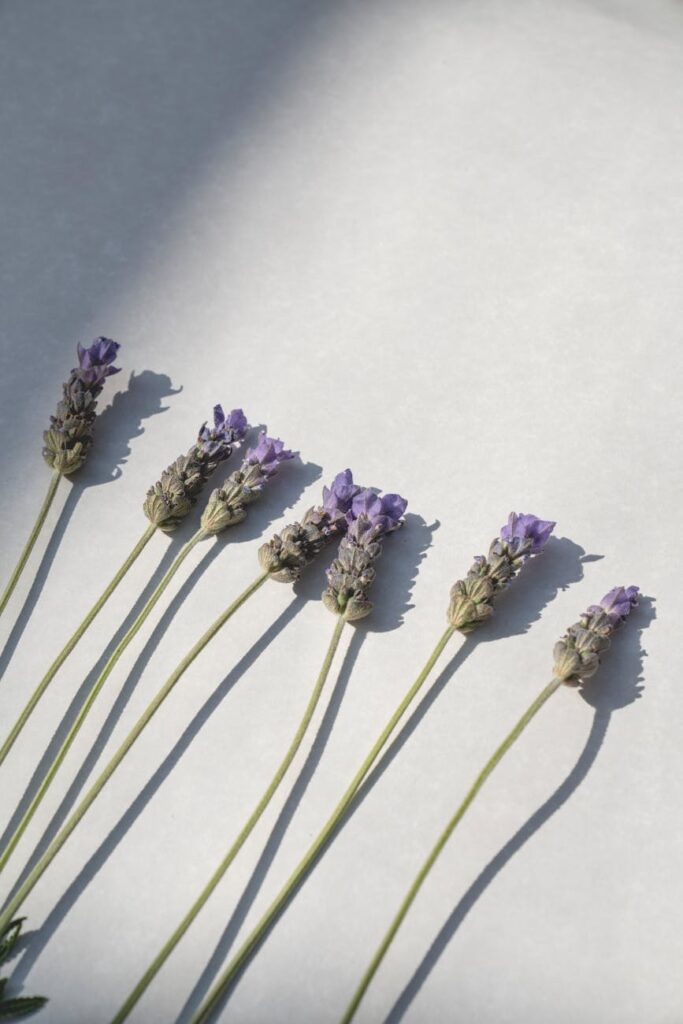
Health Benefits of Floral Hydrosols for Immune Support
Introduction
Floral hydrosols, often referred to as flower waters, have gained popularity in the realms of aromatherapy and holistic wellness. Derived from the steam distillation of flowers, these aromatic waters retain the essence of their botanical sources while being gentler and more accessible than essential oils. This article explores the myriad health benefits of floral hydrosols with a particular focus on their potential for immune support.
What Are Floral Hydrosols for Immune Support?
Floral hydrosols are the byproducts of essential oil extraction. During the distillation process, steam passes through plant materials, capturing volatile compounds. When the steam cools and condenses, it separates into two components: essential oils and hydrosols. The hydrosol is the aromatic water left behind, containing water-soluble constituents, trace amounts of essential oils, and beneficial compounds.
While essential oils are potent and concentrated, hydrosols are milder and can be used in various applications. Their gentle nature makes them suitable for individuals seeking to enhance their health and wellbeing without the intensity of essential oils.
Key Benefits and Properties
Floral hydrosols are celebrated for their diverse properties, many of which contribute to immune support. Here are some key benefits:
Antimicrobial Properties
Certain floral hydrosols, such as lavender and chamomile, exhibit antimicrobial effects, which may help the body fend off infections. They can create an environment that is less hospitable to pathogens, thereby supporting overall immune health.
Anti-Inflammatory Effects
The anti-inflammatory properties of floral hydrosols may aid in reducing inflammation within the body. This can be particularly beneficial during times when the immune system is under stress, as inflammation is often a sign of an overactive immune response.
Calming and Stress-Relief
Stress can significantly impact immune function. Many floral hydrosols, such as rose and neroli, are known for their calming effects. By promoting relaxation and reducing stress, these hydrosols may indirectly support immune health.
Hydration and Skin Health
Floral hydrosols can also serve as excellent skin hydrators. Keeping the skin hydrated is essential, especially during seasonal changes when the immune system may be more susceptible to external factors. Well-hydrated skin acts as a barrier against environmental aggressors.
Rich in Antioxidants
Floral hydrosols are often rich in antioxidants, which help combat oxidative stress in the body. By neutralizing free radicals, antioxidants may contribute to a more resilient immune system.
Common Uses
Floral hydrosols can be used in a variety of ways to support overall health and wellbeing:
Skin Care
Many people incorporate floral hydrosols into their skincare routines. They can be used as facial mists, toners, or in homemade skincare products, providing hydration and soothing benefits.
Aromatherapy
In aromatherapy, floral hydrosols can be diffused to promote a calming atmosphere. They can also be added to bathwater for a soothing soak or sprayed in the air for a refreshing ambiance.
Culinary Applications
Some floral hydrosols, such as rose and orange blossom, are safe for culinary use. They can be added to beverages, desserts, or savory dishes for a hint of floral flavor and aroma.
Household Cleaning
The antimicrobial properties of certain floral hydrosols make them suitable for natural cleaning solutions. They can be used to create a fragrant and effective cleaning spray for surfaces.
Personal Care Products
Floral hydrosols can be incorporated into homemade personal care products, such as lotions, shampoos, and body sprays, enhancing the sensory experience while providing potential health benefits.
Aromatherapy Applications
In the realm of aromatherapy, floral hydrosols can be employed in various applications:
Diffusion
Floral hydrosols can be used in diffusers to create a soothing environment. A few sprays of lavender or chamomile hydrosol in a room can help induce relaxation and tranquility.
Personal Inhalation
For immediate stress relief, individuals can spray a small amount of floral hydrosol into their palms and inhale deeply. This method allows for a quick sensory connection to the calming properties of the hydrosol.
Bathing
Adding floral hydrosols to a warm bath can enhance the relaxation experience. The steam from the bathwater helps release the aromatic compounds, providing a calming effect.
Massage
When diluted with a carrier oil, floral hydrosols can be used in massage. They provide a pleasant scent while offering their therapeutic benefits.
Safety Considerations
While floral hydrosols are generally safe for most individuals, it is essential to consider a few precautions:
Skin Sensitivity
Although usually milder than essential oils, some individuals may experience skin sensitivity to certain hydrosols. It is advisable to conduct a patch test before applying them directly to the skin.
Pregnancy and Nursing
Pregnant or nursing individuals should consult a qualified professional before using specific floral hydrosols, as some may not be recommended during these periods.
Allergies
Individuals with allergies to specific plants should exercise caution and avoid hydrosols derived from those sources.
Quality of Product
The quality of floral hydrosols can vary significantly. It is essential to choose products that are 100% pure and free from additives or preservatives. Look for reputable suppliers and brands that provide information on their distillation processes.
Storage and Shelf Life
To maintain the integrity and efficacy of floral hydrosols, proper storage is crucial:
Storage Conditions
Floral hydrosols should be stored in a cool, dark place away from direct sunlight. Glass bottles with UV protection are ideal, as they help preserve the quality of the hydrosol.
Shelf Life
The shelf life of floral hydrosols can vary depending on the type and storage conditions. Generally, they can last from six months to two years. It is advisable to check for any changes in color, scent, or clarity, as these may indicate spoilage.
Frequently Asked Questions
Can floral hydrosols replace essential oils?
While floral hydrosols offer many benefits and can be used in similar applications, they are not a direct replacement for essential oils. Hydrosols are milder and may not provide the same potency. They can, however, complement essential oils in various formulations.
Are floral hydrosols safe for children?
Many floral hydrosols are safe for children, but it is advisable to consult a healthcare professional for specific recommendations. Always use caution and conduct a patch test for sensitivities.
How can I incorporate floral hydrosols into my daily routine?
Floral hydrosols can easily be incorporated into your daily regimen through skincare, aromatherapy, or culinary uses. Experiment with different hydrosols to discover which ones resonate with you.
Can I use floral hydrosols in cooking?
Yes, certain floral hydrosols, like rose and orange blossom, are safe for culinary use. Ensure you are using high-quality, food-grade hydrosols for cooking purposes.
Do floral hydrosols have any side effects?
Most floral hydrosols are well-tolerated, but some individuals may experience skin sensitivities or allergic reactions. Always conduct a patch test before widespread use.
Conclusion
Floral hydrosols offer a gentle yet effective way to support immune health and overall wellbeing. Their diverse properties, ranging from antimicrobial and anti-inflammatory effects to calming and hydrating benefits, make them a valuable addition to holistic health practices. By understanding their uses and benefits, individuals can harness the power of floral hydrosols in their daily lives, promoting a balanced and resilient immune system.