
Health Benefits of Floral Hydrosols for Pet Care
Introduction
Floral hydrosols, often referred to as floral waters, are the aromatic by-products of the steam distillation process used to extract essential oils from plants. While essential oils have garnered much attention for their therapeutic properties, hydrosols offer a gentler alternative, particularly suitable for pets. This article will explore the various health benefits of floral hydrosols in pet care, highlighting their properties, common uses, and safety considerations.
What Is Floral Hydrosols for Pet Care?
Floral hydrosols are created when steam distillation extracts essential oils from plant materials. During this process, water-soluble components of the plants are collected, resulting in a liquid that retains some of the plant’s aromatic and therapeutic qualities but is much less concentrated than essential oils. Common floral hydrosols include lavender, chamomile, rose, and geranium. Due to their milder nature, these hydrosols can be effectively used in various applications for pets, including skincare, calming effects, and general wellness.
Key Benefits and Properties
1. Gentle and Safe: Floral hydrosols are typically safe for use on pets due to their low concentration of active compounds. This makes them suitable for sensitive animals, including puppies, kittens, and elderly pets.
2. Soothing Effects: Many floral hydrosols possess calming properties that can help alleviate stress and anxiety in pets. For example, lavender hydrosol is renowned for its calming effects, making it an excellent choice for anxious animals.
3. Anti-Inflammatory: Some hydrosols, like chamomile, exhibit anti-inflammatory properties, which can be beneficial for pets suffering from minor skin irritations or conditions.
4. Antimicrobial Qualities: Hydrosols such as tea tree and rosemary have natural antimicrobial properties that can help in maintaining skin health and hygiene.
5. Skin Hydration: Floral hydrosols can hydrate and soothe the skin, making them useful for dry or irritated areas on a pet’s body.
6. Natural Deodorizer: The pleasant aroma of floral hydrosols can help neutralize odors, providing a natural alternative to synthetic pet fragrances.
Common Uses
Floral hydrosols can be integrated into various aspects of pet care, including:
- Skin and Coat Care: Hydrosols can be sprayed directly onto a pet’s coat to provide hydration and soothing relief from irritations. They can also be added to homemade pet shampoos or conditioners.
- Calming Sprays: A gentle mist of lavender or chamomile hydrosol can help calm anxious pets during stressful situations, such as thunderstorms or car rides.
- Wound Care: Hydrosols with antimicrobial properties can be used to cleanse minor wounds or abrasions, promoting healing and reducing the risk of infection.
- Bathing: Adding a few drops of floral hydrosol to a pet’s bath water can enhance the bathing experience by soothing the skin and imparting a pleasant scent.
- Household Air Freshener: Floral hydrosols can be used to freshen up the home environment, creating a calm space for both pets and their owners.
- Diffusion: While hydrosols don’t have the same potency as essential oils in a diffuser, they can still be used to create a gentle aromatic environment. A few drops of hydrosol can be added to a diffuser filled with water.
- Topical Applications: Hydrosols can be applied directly onto the skin or coat of pets, allowing the animal to benefit from the aromatic compounds.
- Misting: Creating a calming environment can be as simple as misting the air or the pet with a floral hydrosol. This method can be particularly effective in reducing stress during grooming or vet visits.
- Cool, Dark Place: Store hydrosols in a cool, dark environment, away from direct sunlight and heat. This helps to preserve their aromatic and therapeutic properties.
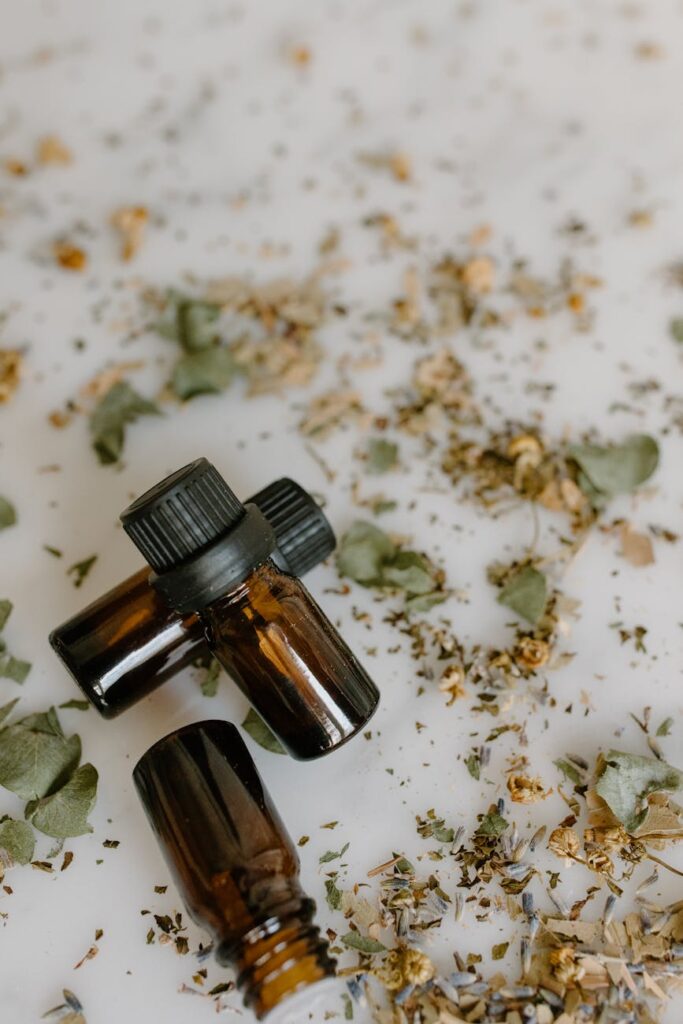
- Sealed Containers: Keep hydrosols in well-sealed, dark glass bottles. This prevents exposure to air and light, which can degrade their quality over time.
- Shelf Life: Generally, floral hydrosols have a shelf life of about 1 to 3 years, depending on the specific type and storage conditions. Always check for any changes in color, smell, or consistency before use.
Aromatherapy Applications
Aromatherapy is not limited to essential oils; floral hydrosols can also be used effectively in this practice. Here are several applications:
Safety Considerations
When using floral hydrosols for pet care, it is essential to follow certain safety guidelines:
1. Dilution: Although floral hydrosols are generally safe, it is advisable to dilute them with water before applying them directly to a pet’s skin or coat.
2. Patch Testing: Before widespread use, conduct a patch test by applying a small amount of the hydrosol to a limited area of the pet’s skin. Wait 24 hours to check for any adverse reactions.
3. Avoid Sensitive Areas: Steer clear of applying hydrosols near the eyes, nose, or mouth of pets, as these areas can be more sensitive.
4. Consultation: If a pet has preexisting health conditions or is on medication, it is advisable to consult a veterinarian before introducing any new products, including floral hydrosols.
5. Quality: Always choose high-quality, organic hydrosols from reputable sources to ensure they are free from contaminants and additives.
Storage and Shelf Life
To maintain the efficacy of floral hydrosols, proper storage is crucial:
Frequently Asked Questions
Can I use floral hydrosols on all pets?
Floral hydrosols are generally safe for most pets, including dogs and cats. However, always conduct a patch test and consult your veterinarian, especially for small animals or those with health concerns.
Are floral hydrosols safe for topical use?
Yes, floral hydrosols can be safely applied topically. However, it is best to dilute them with water and avoid sensitive areas to minimize the risk of irritation.
How should I choose a floral hydrosol?
Opt for high-quality, organic floral hydrosols from reputable suppliers. Avoid products containing synthetic fragrances or additives, as these can be harmful to pets.
Can I use floral hydrosols for my pet’s anxiety?
Yes, certain floral hydrosols, such as lavender and chamomile, are known for their calming effects and can be beneficial for alleviating anxiety in pets.
What if my pet has a reaction to a hydrosol?
If you notice any signs of irritation or an allergic reaction after applying a floral hydrosol, discontinue use immediately and consult a veterinarian for advice.
Conclusion
Floral hydrosols offer a gentle, effective way to enhance pet care routines while providing numerous health benefits. From soothing skin irritations to promoting relaxation, these aromatic waters present a versatile option for pet owners seeking natural solutions. When used responsibly, floral hydrosols can contribute to the overall well-being of our beloved pets, creating a harmonious environment for both animals and humans alike.