
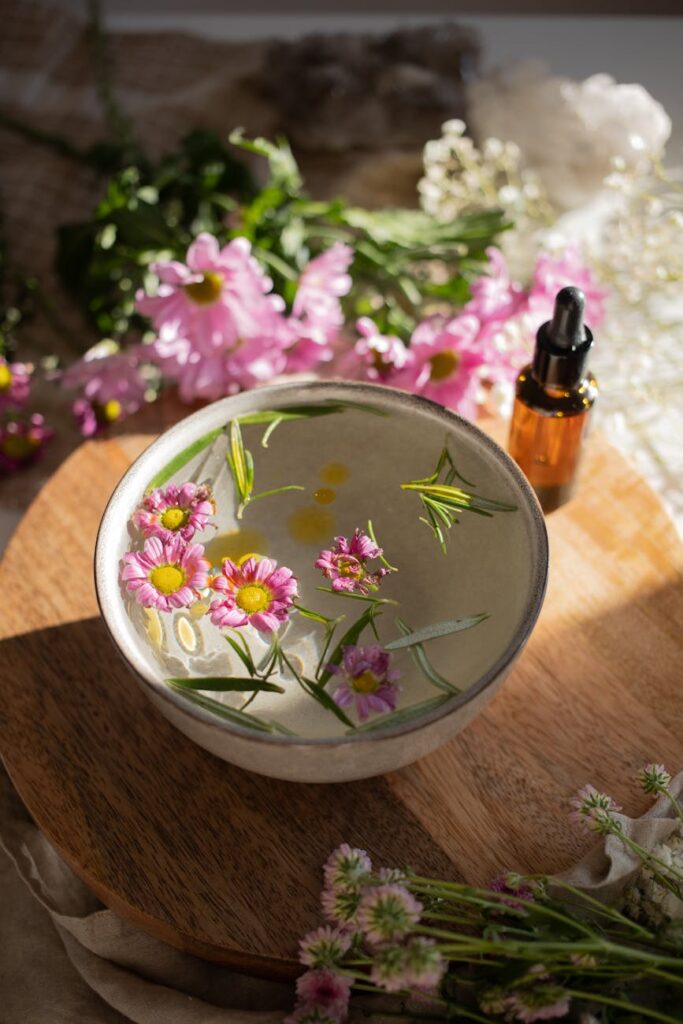
Health Benefits of Floral Hydrosols for Scalp Care
Introduction
In recent years, the wellness world has witnessed a rising interest in natural skincare and hair care solutions. Among these, floral hydrosols have gained significant attention for their gentle yet effective properties. Derived from the steam distillation of plant materials, these aromatic waters offer a range of benefits, particularly for scalp care. This article will delve into what floral hydrosols are, their key benefits, common uses, and safety considerations, providing a comprehensive overview for those interested in enhancing their scalp health.
What Is Floral Hydrosols for Scalp Care?
Floral hydrosols, often referred to as floral waters, are the byproducts of the essential oil distillation process. When plant materials such as flowers, leaves, or herbs are distilled, the steam captures the volatile oils and aromatic compounds. Upon cooling, the condensed steam separates into two components: the essential oil and the hydrosol.
Unlike essential oils, which are highly concentrated and potent, hydrosols are much milder, making them suitable for direct application to the skin and scalp without the need for dilution. This gentleness makes floral hydrosols a popular choice for individuals seeking natural solutions for scalp care.
Key Benefits and Properties
Floral hydrosols possess numerous beneficial properties that contribute to scalp health. Here are some of the key benefits:
1. Hydration
Floral hydrosols are primarily composed of water, making them excellent for hydrating the scalp. They can help replenish moisture levels, especially in dry or dehydrated scalps, promoting overall scalp health.
2. Soothing Properties
Many floral hydrosols, such as lavender and chamomile, are known for their calming effects. They can help soothe irritation, redness, or inflammation on the scalp, providing relief from conditions such as dandruff or scalp sensitivity.
3. Antimicrobial Activity
Certain floral hydrosols exhibit antimicrobial properties, which can be beneficial for maintaining a healthy scalp environment. For instance, rose and tea tree hydrosols may help inhibit the growth of bacteria and fungi, reducing the risk of scalp issues.
4. Balancing Oil Production
Hydrosols like geranium and rosemary can help balance sebum production, making them suitable for both oily and dry scalps. By regulating oil levels, they can prevent excessive oiliness or dryness, contributing to a healthier scalp condition.
5. Stimulating Hair Growth
Some floral hydrosols may promote hair growth by stimulating blood circulation in the scalp. Hydrosols such as rosemary are often associated with invigorating the scalp, which may help in supporting healthy hair follicles.
6. Aromatic Experience
The pleasant scents of floral hydrosols can enhance the overall experience of scalp care. The fragrance can uplift mood and create a calming atmosphere, making scalp care a soothing ritual.
Common Uses
Floral hydrosols can be incorporated into scalp care routines in various ways:
1. Scalp Mist
One of the simplest ways to use floral hydrosols is as a scalp mist. By transferring a hydrosol into a spray bottle, individuals can easily spritz the scalp for hydration and soothing effects throughout the day.
2. Hair Rinse
Floral hydrosols can be used as a final rinse after shampooing. Diluting a hydrosol with water and pouring it over the hair can help enhance shine and impart the beneficial properties to both the scalp and hair.
3. Incorporation into Hair Masks
Mixing floral hydrosols into hair masks or conditioners can amplify their benefits. The hydrosol can serve as a liquid component, enhancing the mask’s overall effectiveness.
4. Massage Treatment
Using floral hydrosols as part of a scalp massage can be particularly beneficial. The act of massaging promotes blood circulation, while the hydrosol provides hydration and nourishment.
5. Aromatherapy Blends
Floral hydrosols can be combined with essential oils for a synergistic effect. This combination can create a potent scalp treatment that harnesses both the gentleness of hydrosols and the therapeutic properties of essential oils.
Aromatherapy Applications
In aromatherapy, floral hydrosols serve a dual purpose—providing therapeutic benefits and enhancing the sensory experience. When used in conjunction with essential oils, they can amplify the overall effectiveness of a treatment.
1. Relaxation and Stress Relief
Hydrosols like lavender and chamomile can be utilized in calming scalp treatments. The aromatic properties of these hydrosols can help create a tranquil environment, assisting in stress relief.
2. Mood Enhancement
Certain floral hydrosols, such as rose, are known for their uplifting qualities. Incorporating them into scalp care rituals can contribute to improved mood and emotional well-being.
3. Creating Personalized Blends
Floral hydrosols can be mixed and matched to create personalized blends tailored to individual needs. For example, combining geranium hydrosol with rosemary can address both oil balancing and stimulating hair growth.
Safety Considerations
Though floral hydrosols are generally safe for most individuals, it is essential to keep the following safety considerations in mind:
1. Patch Testing
Before using a new hydrosol, it is advisable to conduct a patch test. Apply a small amount to a discreet area of the skin to check for any adverse reactions.
2. Sensitivity to Ingredients
Individuals with sensitivities or allergies should carefully review the ingredients of floral hydrosols. While they are typically gentle, some may react differently to specific plant materials.
3. Quality of Hydrosols
It is crucial to select high-quality, pure floral hydrosols free from additives, preservatives, or synthetic fragrances. Opting for organic products can further ensure the absence of harmful substances.
Storage and Shelf Life
Proper storage is vital for maintaining the quality of floral hydrosols. Here are some guidelines:
1. Cool, Dark Place
Store hydrosols in a cool, dark location to prevent degradation from heat and light exposure. A cabinet or drawer away from direct sunlight is ideal.
2. Tightly Sealed Containers
Ensure that hydrosols are kept in tightly sealed containers to minimize contamination and evaporation. Dark glass bottles are preferable as they protect the contents from light.
3. Shelf Life
Most floral hydrosols have a shelf life of 6 months to 1 year. However, it is advisable to check for signs of spoilage, such as changes in smell, color, or clarity, before use.
Frequently Asked Questions
1. Can floral hydrosols be used on all hair types?
Yes, floral hydrosols are generally suitable for all hair types due to their gentle nature. However, individual responses may vary, so it is best to choose a hydrosol based on specific needs.
2. How often can I use floral hydrosols on my scalp?
Floral hydrosols can be used daily or as needed. They are gentle enough for frequent application without the risk of irritation.
3. Can I mix different floral hydrosols?
Yes, mixing different floral hydrosols can create a personalized treatment that addresses multiple scalp concerns. Experimenting with combinations can yield unique benefits.
4. Are floral hydrosols safe for children?
Most floral hydrosols are safe for children, but it is recommended to consult a healthcare professional or aromatherapist for specific guidance and to ensure safety based on individual circumstances.
5. Can I use floral hydrosols if I have a scalp condition?
While many individuals with scalp conditions may benefit from floral hydrosols, it is essential to consult a healthcare provider for appropriate treatment options and to ensure compatibility with existing conditions.
Conclusion
Floral hydrosols present an array of benefits for scalp care, offering hydration, soothing properties, and antimicrobial activity. Their versatility makes them an excellent addition to various hair care routines, enhancing overall scalp health. As interest in natural remedies continues to grow, floral hydrosols stand out as a gentle and effective option for those seeking holistic approaches to scalp care. With careful consideration of safety and quality, these aromatic waters can become a cherished part of one’s self-care regimen.