
Health Benefits of Floral Hydrosols for Scalp Health
Introduction
Floral hydrosols, often referred to as hydrosol waters or flower waters, are the aromatic by-products of essential oil distillation. While they may seem like mere remnants of the essential oil extraction process, hydrosols possess unique properties that make them valuable in various applications, particularly in skin and scalp health. This article explores the benefits of floral hydrosols for scalp health, their uses, and practical considerations for those looking to incorporate them into their hair care routines.
What Are Floral Hydrosols for Scalp Health?
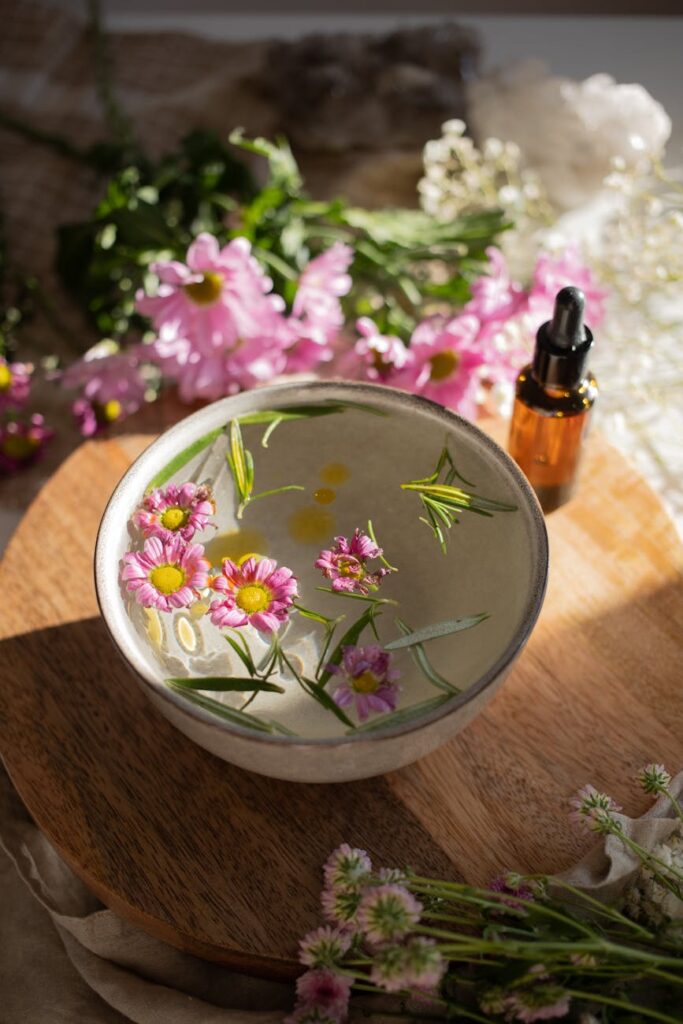
Floral hydrosols are produced when steam distilling plant materials, such as flowers or leaves, to extract essential oils. During this process, water-soluble components of the plant are also released, resulting in a fragrant water that carries the essence of the plant. Unlike essential oils, which are highly concentrated and potent, hydrosols are gentler and can be used directly on the skin and scalp without dilution.
Common examples of floral hydrosols include rose, lavender, chamomile, and geranium. Each type of hydrosol has its unique characteristics and benefits, making them suitable for various applications, including scalp health.
Key Benefits and Properties
Floral hydrosols offer a range of benefits for scalp health, owing to their soothing, hydrating, and antimicrobial properties. Here are some of the key properties that make them particularly beneficial:
1. Soothing and Calming
Many floral hydrosols, such as chamomile and lavender, are known for their calming effects. They can help soothe irritated scalps and reduce redness or inflammation. This soothing quality can be particularly beneficial for individuals with sensitive skin or scalp conditions.
2. Hydration
Hydration is crucial for maintaining a healthy scalp. Floral hydrosols contain moisture that can help hydrate dry or flaky scalps, promoting overall scalp health. This hydration can also support hair growth by providing a conducive environment for hair follicles.
3. Antimicrobial Properties
Certain floral hydrosols, including tea tree and rosemary, have natural antimicrobial properties that can help combat dandruff and other scalp issues. These properties can help maintain a clean and healthy scalp, reducing the likelihood of fungal or bacterial infections.
4. Balancing Oil Production
Floral hydrosols can help balance the scalp’s oil production. For instance, rose hydrosol is known for its ability to regulate sebum production, making it suitable for both oily and dry scalps. This balancing effect can lead to healthier hair and a more comfortable scalp.
Common Uses
Floral hydrosols can be incorporated into your hair care routine in several ways:
1. Scalp Toner
One of the most straightforward applications is using floral hydrosols as a scalp toner. Simply spray or apply the hydrosol directly onto the scalp after washing your hair. This can help refresh and hydrate the scalp while providing additional benefits.
2. Hair Rinse
Hydrosols can be used as a final rinse after shampooing. Dilute the hydrosol with water and pour it over your hair to enjoy its soothing and nourishing properties. This method is particularly effective for enhancing shine and softness.
3. Hair Mask Ingredient
Incorporate floral hydrosols into homemade hair masks. Combine the hydrosol with natural ingredients such as honey, aloe vera, or yogurt for a nourishing treatment that can help revitalize your scalp and hair.
4. Scalp Massage
Combining floral hydrosols with carrier oils, such as jojoba or coconut oil, can create a delightful scalp massage oil. This not only helps in relaxation but also nourishes the scalp, encouraging better blood circulation.
Aromatherapy Applications
Floral hydrosols can also play a role in aromatherapy, enhancing the overall wellness experience. Their subtle fragrances can contribute to a calming atmosphere, making them suitable for use during meditation or relaxation sessions. Here are a few aromatherapy applications:
1. Diffusion
While hydrosols are not typically used in diffusers, they can be sprayed into the air to create a pleasant aroma in the environment. This can promote relaxation and well-being, benefitting both the mind and scalp.
2. Bath Soaks
Add floral hydrosols to bath water for a soothing soak that can benefit the scalp as well as the skin. The gentle fragrance and therapeutic properties can enhance relaxation and provide a holistic approach to self-care.
3. Pillow Spray
Create a calming pillow spray by mixing floral hydrosols with water in a spray bottle. Spraying this on your pillow before sleep can promote relaxation and restful sleep, indirectly benefiting scalp health through reduced stress.
Safety Considerations
While floral hydrosols are generally considered safe for topical use, it is essential to observe certain precautions:
1. Patch Test
Before applying any hydrosol to your scalp or skin, perform a patch test. Apply a small amount of the hydrosol to a discreet area and wait 24 hours to check for any adverse reactions.
2. Quality Matters
Ensure that you source high-quality, pure floral hydrosols from reputable suppliers. Poor quality hydrosols may contain additives or preservatives that could irritate the skin.
3. Consult a Professional
If you have pre-existing scalp conditions or allergies, it is advisable to consult with a healthcare professional before incorporating new products into your routine.
Storage and Shelf Life
Proper storage is crucial for maintaining the quality and efficacy of floral hydrosols. Here are some tips:
1. Cool, Dark Place
Store floral hydrosols in a cool, dark place, away from direct sunlight and heat sources. This helps to prolong their shelf life and prevent degradation.
2. Use Dark Glass Bottles
If possible, purchase hydrosols in dark glass bottles, as these provide better protection from light. If you transfer hydrosols to a different container, opt for dark glass.
3. Shelf Life
Most floral hydrosols have a shelf life of about 1 to 3 years, depending on the type and storage conditions. Always check for any changes in smell, color, or clarity before use.
Frequently Asked Questions
1. Can I use floral hydrosols every day on my scalp?
Yes, floral hydrosols can generally be used daily. However, monitor your scalp’s response and adjust the frequency as needed.
2. Are floral hydrosols safe for all hair types?
Floral hydrosols are typically safe for all hair types. However, individuals with specific sensitivities should perform a patch test.
3. Can I mix different floral hydrosols?
Yes, you can blend different floral hydrosols to create a customized formula that meets your unique scalp and hair needs.
4. Are floral hydrosols the same as essential oils?
No, floral hydrosols are by-products of essential oil distillation and have lower concentrations of aromatic compounds, making them gentler for topical use.
5. How do I choose the right floral hydrosol for my scalp?
Consider your scalp’s specific needs. For instance, choose chamomile for soothing, rose for balancing, or tea tree for its antimicrobial properties.
Conclusion
Floral hydrosols offer a natural and gentle way to enhance scalp health. Their soothing, hydrating, and antimicrobial properties make them suitable for a variety of applications, from scalp toners to hair rinses. By incorporating high-quality floral hydrosols into your hair care routine, you can support not only your scalp health but also your overall well-being.