
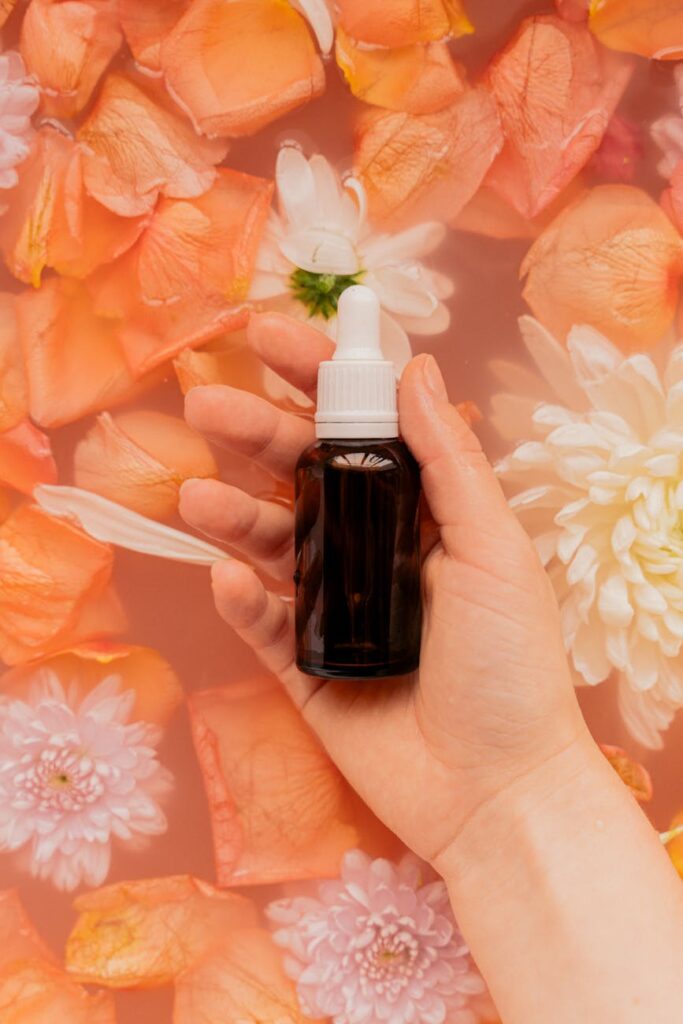
Health Benefits of Floral Hydrosols for Skin Brightening
Introduction
Floral hydrosols, often referred to as floral waters or herbal distillates, have gained popularity in the realms of skincare and aromatherapy. Distilled from the steam of flowering plants, these byproducts of essential oil extraction carry a range of beneficial properties, making them valuable for skin brightening and revitalization. In this article, we will explore what floral hydrosols are, their key benefits, common uses, and how they can be integrated into your skincare routine.
What Are Floral Hydrosols for Skin Brightening?
Floral hydrosols are aqueous solutions that are produced during the steam distillation of plant materials. Unlike essential oils, which are highly concentrated extracts, hydrosols are gentler and contain the water-soluble components of the plant. This makes them suitable for a variety of applications, especially for those with sensitive skin.
Common floral hydrosols include rose, lavender, chamomile, and neroli, among others. Each type of hydrosol possesses unique properties that contribute to skin health, particularly in brightening the complexion. The term “skin brightening” refers to the process of improving skin tone and texture, reducing dullness, and enhancing the overall glow of the skin.
Key Benefits and Properties
1. Gentle Exfoliation
Certain floral hydrosols, such as rose and chamomile, possess mild exfoliating properties. They can help remove dead skin cells, promoting cell turnover and revealing a brighter, more radiant complexion.
2. Hydration and Moisture Balance
Hydrosols are primarily composed of water, making them excellent for hydration. Regular application can help maintain moisture levels in the skin, preventing dryness and promoting a plump appearance.
3. Soothing and Calming Effects
Floral hydrosols are known for their soothing properties, making them beneficial for irritated or inflamed skin. Chamomile and lavender hydrosols, for instance, can calm redness and reduce the appearance of blemishes, contributing to an even skin tone.
4. Antioxidant Properties
Many floral hydrosols contain antioxidants that help protect the skin from oxidative stress and environmental damage. This can slow down the aging process and help maintain a youthful glow.
5. Toning and Tightening
Certain hydrosols, like witch hazel, have astringent qualities that can help tighten the skin and minimize the appearance of pores. This toning effect can contribute to a smoother and brighter complexion.
6. Anti-inflammatory Benefits
Hydrosols derived from flowers such as calendula and rose exhibit anti-inflammatory properties. These can help reduce puffiness and redness, contributing to a clearer and more luminous skin tone.
Common Uses
Floral hydrosols can be incorporated into your skincare routine in various ways:
1. Facial Toner
Use floral hydrosols as a refreshing facial toner after cleansing. They can help balance the skin’s pH and tighten pores, preparing the skin for subsequent products.
2. Facial Mist
A floral hydrosol can be used as a facial mist throughout the day. This not only hydrates the skin but also provides a soothing effect, especially in dry or stressful environments.
3. Additive in Masks and Scrubs
Incorporate floral hydrosols into homemade face masks or scrubs. Their hydrating and exfoliating properties can enhance the effectiveness of these treatments.
4. Makeup Setting Spray
Floral hydrosols can serve as a natural makeup setting spray, providing hydration while helping makeup to last longer throughout the day.
5. Bath Additive
Adding floral hydrosols to bath water can create a soothing and aromatic experience, contributing to overall skin health.
Aromatherapy Applications
Floral hydrosols are not only beneficial for the skin but also for the mind and spirit. The gentle scents released by these waters can promote relaxation and emotional well-being.
1. Calming Atmosphere
Hydrosols like lavender can be sprayed in living spaces to create a calming atmosphere, making them excellent for stress relief and promoting better sleep.
2. Meditation Aid
Incorporating floral hydrosols into meditation practices can enhance mindfulness and relaxation, adding a sensory element that may deepen the experience.
3. Natural Fragrance
Floral hydrosols can be used as a natural alternative to synthetic fragrances in personal care products. They offer a subtle scent without the potential irritants found in many commercial fragrances.
Safety Considerations
While floral hydrosols are generally safe for topical use, it is essential to consider the following safety guidelines:
1. Patch Test
Before applying a new hydrosol to your face, perform a patch test on a small area of skin to check for any adverse reactions.
2. Storage
Floral hydrosols should be stored in a cool, dark place to preserve their efficacy. Exposure to light and heat can degrade their quality.
3. Consult a Professional
If you have specific skin concerns or conditions, it is advisable to consult a skincare professional or dermatologist before incorporating new products into your routine.
Storage and Shelf Life
Floral hydrosols have a relatively short shelf life compared to essential oils. Typically, they can last anywhere from 6 months to 1 year, depending on the type of hydrosol and storage conditions.
1. Refrigeration
For optimal preservation, store floral hydrosols in the refrigerator. This helps to extend their shelf life and maintain their freshness.
2. Dark Bottles
Use dark glass bottles to shield the hydrosol from light, as exposure can degrade its quality over time.
Frequently Asked Questions
1. Can I use floral hydrosols on sensitive skin?
Yes, most floral hydrosols are gentle and suitable for sensitive skin. However, it is essential to perform a patch test first.
2. Are floral hydrosols the same as essential oils?
No, floral hydrosols are different from essential oils. While essential oils are concentrated extracts, hydrosols are the aqueous byproducts of essential oil distillation and contain the plant’s water-soluble properties.
3. How often should I use floral hydrosols?
You can use floral hydrosols daily as a toner, facial mist, or in other applications. Adjust the frequency based on your skin’s response.
4. Can I mix different floral hydrosols?
Yes, you can blend different floral hydrosols to create a customized skincare product. However, be mindful of any potential skin sensitivities.
5. Do floral hydrosols have an expiration date?
Yes, floral hydrosols have a limited shelf life, typically ranging from 6 months to 1 year. Proper storage can help extend their usability.
Conclusion
Floral hydrosols are versatile, gentle, and beneficial for skin brightening. Their unique properties make them a valuable addition to any skincare routine, providing hydration, soothing effects, and even a touch of aromatherapy. By understanding the various types of floral hydrosols and their applications, individuals can harness their natural beauty-enhancing benefits while enjoying the holistic experience they offer.