
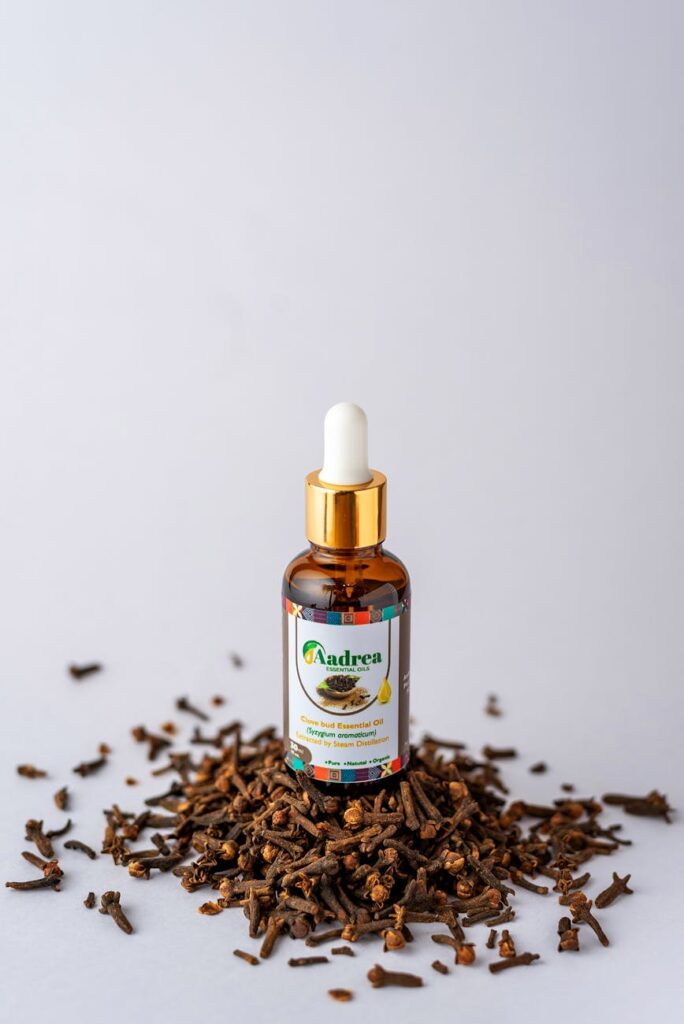
Health Benefits of Fruit Extracts
Introduction
Fruit extracts have garnered significant attention in recent years due to their wide array of health benefits and versatile applications. Derived from various fruits, these extracts capture the essence and therapeutic properties of the fruit in a concentrated form. With roots in traditional medicine and a growing presence in modern wellness practices, fruit extracts serve as valuable components in dietary supplements, skincare products, and aromatherapy. This article explores the nature, benefits, and applications of fruit extracts, while emphasizing safety considerations for their use.
What Is Fruit Extracts?
Fruit extracts are concentrated substances obtained from fruits, typically through methods such as cold pressing, steam distillation, or solvent extraction. These extracts may encompass essential oils, hydrosols, or tinctures, depending on the extraction method used. The process not only preserves the aroma and flavor of the fruit but also concentrates its beneficial compounds, such as vitamins, antioxidants, and essential fatty acids.
The composition of fruit extracts varies significantly based on the type of fruit, extraction method, and intended use. Commonly used fruits for extraction include citrus fruits (like oranges and lemons), berries (such as blueberries and strawberries), and tropical fruits (like mangoes and pineapples).
Key Benefits and Properties
Fruit extracts are celebrated for their diverse range of health benefits. While individual properties may differ depending on the fruit source, several key benefits are widely recognized:
1. Antioxidant Properties
Many fruit extracts are rich in antioxidants, which help neutralize free radicals in the body. This action can reduce oxidative stress, potentially lowering the risk of chronic diseases and supporting overall health. For example, extracts from berries, such as blueberries, contain high levels of anthocyanins, known for their potent antioxidant activity.
2. Skin Health
Fruit extracts are commonly utilized in skincare formulations due to their hydrating, soothing, and rejuvenating properties. Citrus extracts, such as lemon or orange, are often included for their astringent qualities, while extracts from fruits like papaya and pineapple contain enzymes that can promote exfoliation.
3. Anti-Inflammatory Effects
Some fruit extracts exhibit anti-inflammatory properties, which can be beneficial for reducing inflammation in the body. For instance, pomegranate extract is noted for its ability to support joint health and improve skin conditions by mitigating inflammatory responses.
4. Nutritional Value
Fruit extracts can be a source of vitamins and minerals, such as Vitamin C, Vitamin A, and potassium. These nutrients play vital roles in maintaining overall health, supporting the immune system, and enhancing skin vitality.
5. Mood Enhancement
The aromatic properties of certain fruit extracts can have uplifting effects on mood. Citrus extracts, in particular, have been associated with reducing feelings of stress and anxiety, making them popular choices in aromatherapy.
Common Uses
Fruit extracts find their applications in various fields, including:
1. Dietary Supplements
Fruit extracts are often incorporated into dietary supplements aimed at enhancing overall health. They may be found in capsules, powders, and liquid forms, providing an easy way to enjoy the benefits of fruits without consuming them in their whole form.
2. Skincare Products
Due to their beneficial properties, fruit extracts are commonplace in lotions, serums, and creams. Their natural origins appeal to consumers seeking clean and effective skincare solutions.
3. Culinary Uses
Certain fruit extracts, such as vanilla or citrus extracts, are widely used in cooking and baking to enhance flavor without adding extra calories or sugar.
4. Aromatherapy
Many fruit extracts are employed in aromatherapy for their uplifting scents. Diffusers and essential oil blends often incorporate citrus or berry extracts to create energizing and refreshing atmospheres.
Aromatherapy Applications
Aromatherapy utilizes the aromatic compounds of fruit extracts to promote physical and emotional well-being. When inhaled or applied topically, these extracts can influence mood, alleviate stress, and enhance relaxation. Some popular fruit extracts in aromatherapy include:
1. Lemon Extract
Lemon extract is known for its bright, refreshing aroma. It is often used to uplift mood, improve concentration, and promote a sense of clarity.
2. Orange Extract
Orange extract has a sweet, cheerful scent that is believed to reduce anxiety and enhance feelings of happiness. It is frequently used in blends designed for stress relief.
3. Grapefruit Extract
Grapefruit extract is prized for its invigorating aroma. It is often included in formulations aimed at energizing the mind and body, making it a popular choice for morning routines.
4. Berry Extracts
Berry extracts, while less common in essential oil form, can be blended into aromatherapy products for their sweet, fruity scents. Their aromatic profiles are often associated with feelings of joy and contentment.
Safety Considerations
While fruit extracts are generally considered safe for use, certain precautions should be taken into account:
1. Skin Sensitivity
Some individuals may experience skin sensitivity or allergic reactions to specific fruit extracts, especially when applied topically. It is advisable to conduct a patch test before using a new product containing fruit extracts.
2. Ingestion
When consuming fruit extracts, it is crucial to follow recommended dosages provided by manufacturers. Overconsumption can lead to gastrointestinal discomfort or other adverse effects.
3. Consultation
For those with existing health conditions or those who are pregnant or nursing, consulting a healthcare professional before incorporating fruit extracts into one’s regimen is recommended.
Storage and Shelf Life
Proper storage is vital to maintaining the quality and efficacy of fruit extracts. Here are some guidelines:
1. Storage Conditions
Fruit extracts should be stored in a cool, dark place, away from direct sunlight and heat. This helps to preserve their potency and prevent degradation.
2. Shelf Life
The shelf life of fruit extracts varies based on the extraction method and the type of fruit used. Generally, essential oils can last for several years if stored properly, while hydrosols and tinctures may have shorter shelf lives, typically ranging from one to three years.
3. Signs of Spoilage
It is essential to monitor fruit extracts for any signs of spoilage, such as changes in color, scent, or consistency. If any adverse changes are noted, the extract should be discarded.
Frequently Asked Questions
1. Are fruit extracts safe for everyone?
While fruit extracts are generally safe, individual reactions may vary. It is important to conduct patch tests for topical applications and consult a healthcare professional for dietary use, especially for individuals with allergies or specific health conditions.
2. How can I incorporate fruit extracts into my daily routine?
Fruit extracts can be added to smoothies, teas, or water. They can also be used in skincare routines or diffused in the air for aromatherapy. Always follow product instructions for recommended usage.
3. How do I know if a fruit extract is of high quality?
Look for products that provide information about their sourcing and extraction methods. High-quality fruit extracts often come from organic sources and have undergone minimal processing to retain their beneficial properties.
4. Can fruit extracts replace whole fruits in my diet?
While fruit extracts offer concentrated benefits, they should not be considered a complete substitute for whole fruits. Whole fruits provide dietary fiber and other nutrients that may be absent in concentrated extracts.
Conclusion
Fruit extracts are a fascinating and versatile addition to the realms of health and wellness. Their concentrated properties offer numerous benefits, from enhancing skin health to promoting emotional well-being. While fruit extracts can be seamlessly incorporated into dietary and aromatherapy practices, it is essential to remain informed about their use, storage, and potential sensitivities. With proper knowledge and care, the myriad advantages of fruit extracts can be enjoyed as part of a holistic approach to health.