
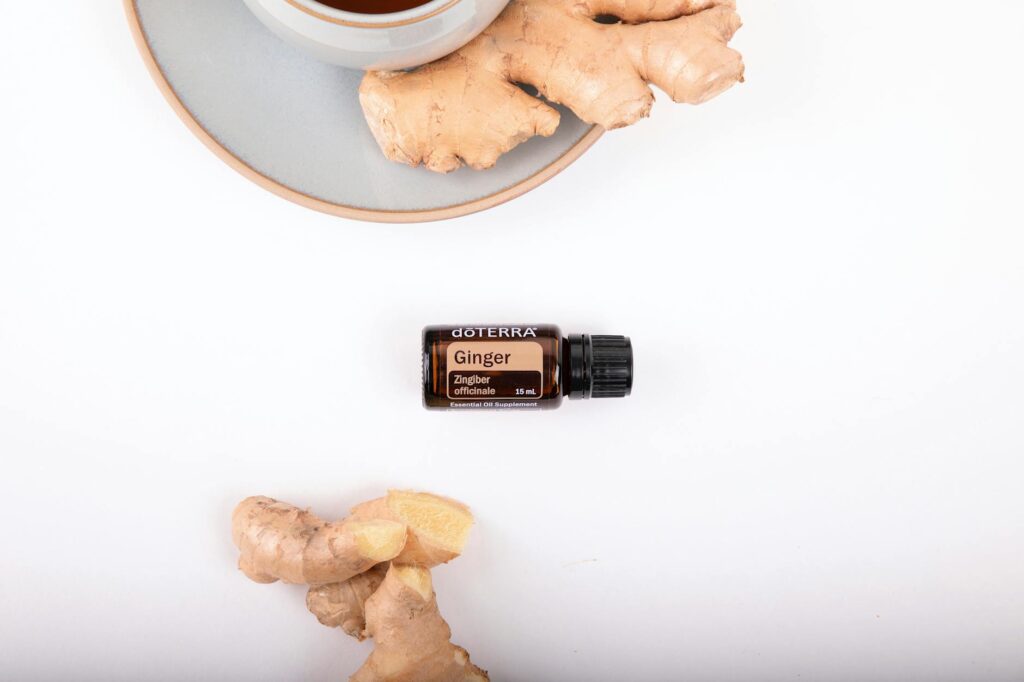
Health Benefits of Ginger Oil Extract
Introduction
Ginger, scientifically known as Zingiber officinale, is a flowering plant belonging to the family Zingiberaceae. The rhizome, or underground stem, of the ginger plant has been used for centuries in various cultures for its culinary and medicinal properties. Ginger oil extract, derived from the rhizome, has gained popularity in recent years due to its potential health benefits and versatile applications. This article provides an in-depth look at ginger oil extract, its key benefits, common uses, and more.
What Is Ginger Oil Extract?
Ginger oil extract is obtained through steam distillation of the fresh or dried rhizomes of the ginger plant. The oil is characterized by its warm, spicy aroma and a pale yellow to amber color. The primary components of ginger oil include zingiberene, beta-sesquiphellandrene, and gingerol, among others. These compounds contribute to the oil’s unique fragrance and therapeutic properties.
The extraction process ensures that the beneficial constituents of ginger are concentrated, making it a powerful oil for both aromatic and topical applications.
Key Benefits and Properties
Ginger oil extract is renowned for its various benefits, many of which are attributed to its rich chemical composition. Here are some of the key properties associated with ginger oil:
1. Anti-inflammatory Effects
Ginger oil is known for its anti-inflammatory properties, which can help soothe inflammation in the body. This may be beneficial in managing discomfort associated with joint issues and muscle strains.
2. Antioxidant Activity
The oil contains compounds that exhibit antioxidant properties, which can assist in neutralizing free radicals. This action may help protect cells from oxidative stress and support overall health.
3. Digestive Support
Ginger has long been associated with digestive health. Ginger oil may aid in alleviating symptoms of indigestion and nausea, making it a popular choice for those seeking digestive comfort.
4. Immune System Support
Ginger oil’s antimicrobial properties can support the immune system by helping to fend off infections and enhance overall wellness.
5. Mood Enhancer
The aromatic compounds in ginger oil may have uplifting properties, potentially aiding in alleviating feelings of stress and anxiety.
Common Uses
Ginger oil extract is versatile and can be utilized in a variety of ways. Here are some common applications:
1. Aromatherapy
Inhaling ginger oil can create a warm and invigorating atmosphere, making it an excellent addition to diffusers or personal inhalers.
2. Topical Applications
The oil can be diluted with carrier oils like coconut or jojoba oil and applied to the skin. This is often done to target areas of discomfort or to promote relaxation.
3. Culinary Uses
While not as common as fresh ginger, ginger oil can be used sparingly in cooking to impart flavor. It is essential to use food-grade ginger oil for culinary applications.
4. Bath Products
Adding ginger oil to bath products, such as bath bombs or salts, can create a soothing and aromatic experience.
5. Massage Oils
Ginger oil can be incorporated into massage oils to enhance the therapeutic effects of massage therapy, particularly for sore muscles.
Aromatherapy Applications
In aromatherapy, ginger oil extract is valued for its uplifting and warming properties. Here are some ways it can be utilized:
1. Diffusion
Using a diffuser, ginger oil can fill a room with its warm, spicy scent, which may help create an inviting atmosphere and lift the mood.
2. Inhalation
Inhaling ginger oil directly from the bottle or applying a few drops to a tissue can provide immediate aromatic benefits.
3. Blending with Other Oils
Ginger oil blends well with other essential oils, such as citrus oils (like lemon or orange), floral oils (like lavender), and woodsy oils (like cedarwood). This versatility allows for customized aromatic experiences tailored to individual preferences.
4. Meditation and Yoga
Incorporating ginger oil into meditation or yoga practices may enhance focus and mindfulness. Its grounding scent can create an inviting space for reflection and relaxation.
Safety Considerations
While ginger oil extract is generally considered safe when used appropriately, there are important safety considerations to keep in mind:
1. Dilution
Ginger oil should always be diluted with a carrier oil before topical application to minimize the risk of skin irritation or allergic reactions.
2. Patch Test
Before using ginger oil on a larger area of skin, conducting a patch test on a small area can help identify any potential sensitivities.
3. Pregnant and Nursing Women
Pregnant or nursing women should consult a healthcare professional before using ginger oil, as its effects during these periods are not thoroughly studied.
4. Avoiding Sensitive Areas
Ginger oil should not be applied near sensitive areas, such as the eyes or mucous membranes, as it may cause irritation.
5. Consultation with Professionals
If you have existing health conditions or are taking medications, consulting a qualified healthcare provider before using ginger oil extract is advisable.
Storage and Shelf Life
Proper storage of ginger oil extract is essential to maintain its quality and efficacy. Here are some guidelines:
1. Storage Conditions
Ginger oil should be stored in a cool, dark place, away from direct sunlight and heat. This helps to preserve its aromatic properties and extend its shelf life.
2. Container Type
Use amber or cobalt glass bottles for storage, as these types of containers protect the oil from UV light. Ensure that the bottle is tightly sealed to prevent oxidation.
3. Shelf Life
When properly stored, ginger oil extract can last for 1 to 2 years. However, it’s advisable to check for any changes in aroma or appearance, as these may indicate that the oil has degraded.
Frequently Asked Questions
1. Can ginger oil extract be ingested?
While there are food-grade essential oils available, it is crucial to consult a qualified professional before ingesting any essential oil, including ginger oil.
2. Is ginger oil safe for children?
Ginger oil should be used with caution around children. Always dilute the oil and consult a healthcare provider for advice on usage.
3. How can I use ginger oil for nausea?
Ginger oil can be inhaled directly or used in a diffuser. However, individual responses may vary, and it’s wise to consult a professional for personalized guidance.
4. Can I use ginger oil for skincare?
Ginger oil can be included in skincare routines when properly diluted. Always perform a patch test to check for skin sensitivity.
5. Where can I buy high-quality ginger oil extract?
Look for reputable suppliers that provide essential oils with clear labeling, including information on purity and extraction methods.
Conclusion
Ginger oil extract is a multifaceted essential oil with a rich history of use in both culinary and therapeutic applications. Its various health benefits, from anti-inflammatory properties to mood enhancement, make it a valuable addition to the world of aromatherapy and wellness. As with any essential oil, proper usage, dilution, and storage are vital to maximizing its benefits while minimizing any risks. Whether for personal enjoyment or therapeutic purposes, ginger oil extract is a remarkable aromatic resource worth exploring.