
Health Benefits of Helichrysum Oil Safety
Introduction
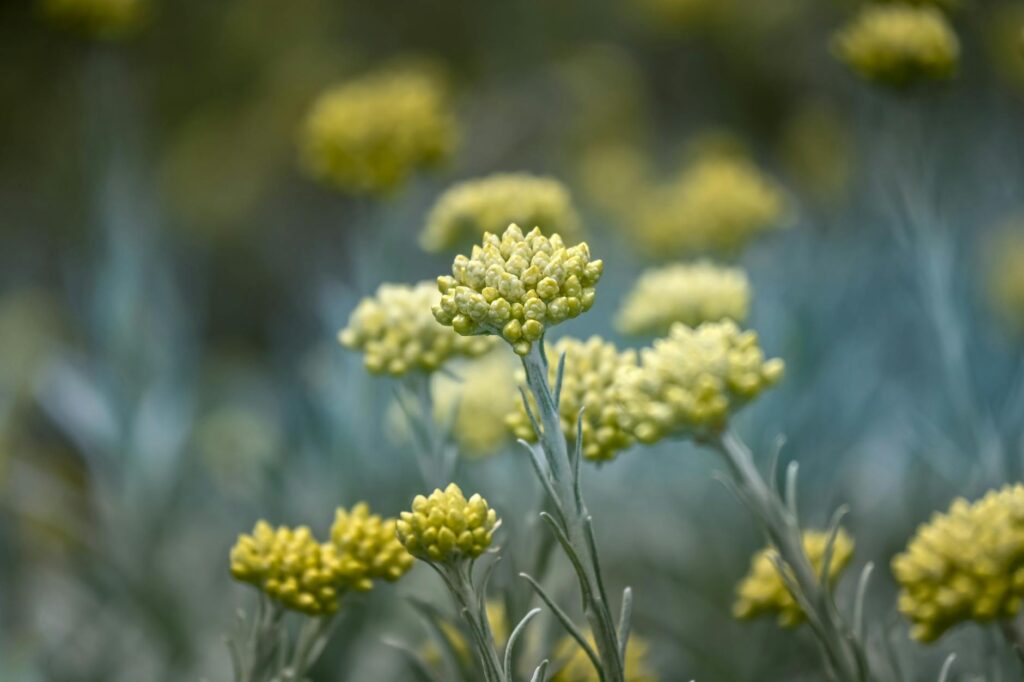
Helichrysum oil, derived from the flowers of the Helichrysum italicum plant, has gained considerable attention in the wellness community for its diverse properties and potential benefits. A key component of aromatherapy, Helichrysum oil is celebrated for its earthy scent and therapeutic attributes. However, understanding the safety profile of this essential oil is crucial for anyone considering its use. This article delves into the safety aspects of Helichrysum oil, ensuring that enthusiasts can utilize it effectively and responsibly.
What Is Helichrysum Oil Safety?
Helichrysum oil is extracted through steam distillation from the yellow flowers of the Helichrysum italicum plant, which is primarily found in Mediterranean regions. The oil is known for its unique chemical composition, which includes compounds such as italidiones, flavonoids, and various terpenes. While the therapeutic potential of Helichrysum oil is widely recognized, safety considerations should always be at the forefront when integrating it into personal care or therapeutic practices.
Understanding the safety of Helichrysum oil encompasses various factors, including its potential skin irritability, toxicity levels, and interactions with other substances. This understanding is vital for ensuring a safe and effective experience with this essential oil.
Key Benefits and Properties
Helichrysum oil is renowned for its numerous benefits, which include:
- Anti-inflammatory Properties: This oil is often cited for its ability to reduce inflammation, making it a popular choice for those looking to alleviate discomfort associated with various conditions.
- Antioxidant Effects: The presence of flavonoids and other compounds contributes to its antioxidant properties, which may help combat oxidative stress in the body.
- Wound Healing: Helichrysum oil is frequently used in skincare formulations for its reputed ability to promote tissue regeneration and healing.
- Mood Enhancement: The oil’s aromatic profile is believed to have a calming effect, potentially benefiting mental well-being and emotional health.
- Topical Applications: It is often diluted with carrier oils and applied to the skin for targeted benefits, such as reducing the appearance of scars and soothing irritated skin.
- Aromatherapy: The oil can be used in diffusers or inhalation methods to promote relaxation and emotional balance.
- Massage: Many practitioners blend Helichrysum oil with other essential oils for therapeutic massage, leveraging its relaxing and anti-inflammatory properties.
- Skincare: It is commonly found in creams, serums, and lotions, especially those targeting mature or damaged skin.
- Lavender: Known for its calming properties, lavender can complement Helichrysum oil for a more profound relaxation experience.
- Frankincense: The combination may promote emotional healing and support spiritual practices.
- Dilution: Always dilute Helichrysum oil with a carrier oil before applying it to the skin. A common dilution ratio is 2-3 drops of essential oil per teaspoon of carrier oil.
- Patch Test: Conduct a patch test before widespread application to check for any allergic reactions or skin sensitivities.
- Pregnancy and Nursing: If you are pregnant or nursing, consult with a healthcare professional before using Helichrysum oil, as the safety profile in these circumstances is not well-established.
- Medication Interactions: If you are taking medications, particularly anticoagulants or anti-inflammatory drugs, consult a healthcare professional to avoid potential interactions.
- Children and Pets: Use caution when applying essential oils around children and pets. It is advisable to consult with a qualified practitioner for guidance on safe usage.
- Containers: Store the oil in dark glass bottles to protect it from light, which can degrade its quality.
- Temperature: Keep the oil in a cool, dry place away from direct sunlight and heat sources.
- Shelf Life: Generally, Helichrysum oil has a shelf life of about 3 to 5 years when stored properly. However, it is advisable to check for any changes in scent or consistency before use.
Despite these promising benefits, it is crucial to approach the use of Helichrysum oil with an understanding of its safety profile.
Common Uses
Helichrysum oil is versatile and can be incorporated into various practices, including:
Aromatherapy Applications
In the realm of aromatherapy, Helichrysum oil is often used for its grounding and soothing properties. When diffused, it can create a calming atmosphere, making it suitable for meditation or relaxation practices. Users may also find it beneficial for alleviating feelings of anxiety and stress.
Additionally, blending Helichrysum oil with other essential oils can enhance its effects. For example:
When using Helichrysum oil in aromatherapy, it is advisable to follow recommended dilution guidelines to ensure a safe and pleasant experience.
Safety Considerations
While Helichrysum oil is generally regarded as safe for most individuals, certain precautions are advisable:
Storage and Shelf Life
Proper storage of Helichrysum oil is essential to maintain its quality and efficacy. Here are some guidelines:
Frequently Asked Questions
1. Is Helichrysum oil safe for all skin types?
While Helichrysum oil is generally considered safe, individuals with sensitive skin or allergies should conduct a patch test before full application.
2. Can Helichrysum oil be ingested?
Ingesting essential oils is not recommended unless under the guidance of a qualified healthcare professional.
3. How can I incorporate Helichrysum oil into my skincare routine?
Helichrysum oil can be added to creams or serums in small amounts, or diluted with a carrier oil for application to specific areas.
4. Are there any contraindications for using Helichrysum oil?
Individuals who are pregnant, nursing, or taking certain medications should consult a healthcare professional before using Helichrysum oil.
5. How can I tell if my Helichrysum oil has gone bad?
Signs of degradation may include a change in color, scent, or consistency. If the oil smells off or has a strange texture, it is advisable to dispose of it.
Conclusion
Helichrysum oil is a remarkably versatile essential oil with a wide array of benefits and applications. However, understanding its safety considerations is paramount for ensuring a positive experience. By adhering to proper usage guidelines and consulting with knowledgeable professionals, individuals can safely explore the potential of Helichrysum oil in their wellness practices. As with any essential oil, informed usage is key to harnessing its benefits effectively and safely.