
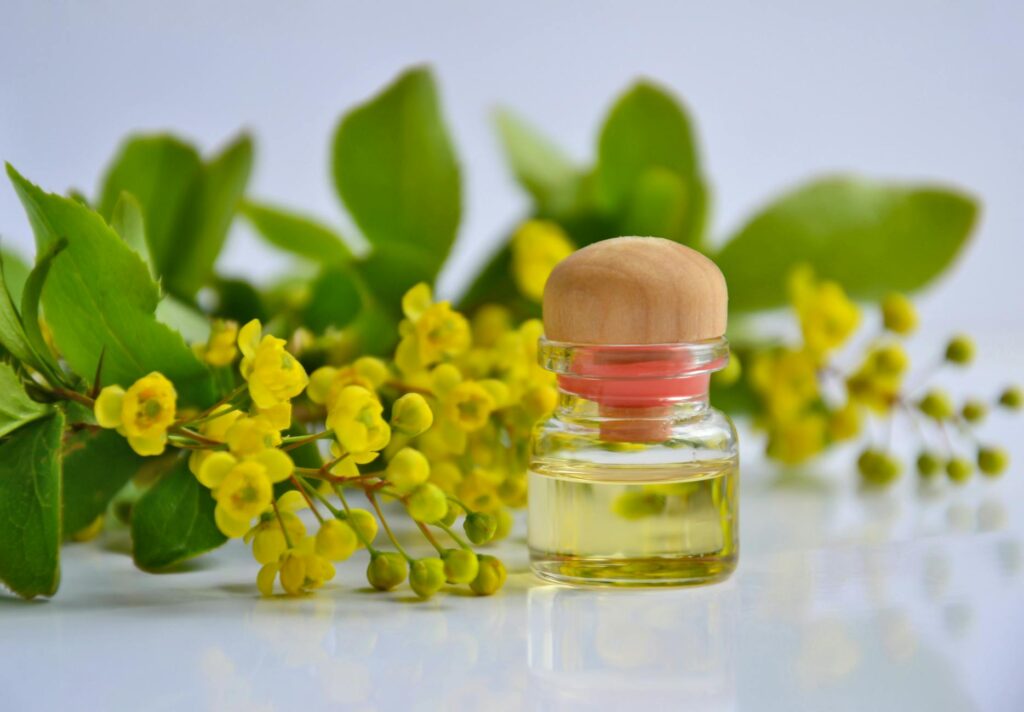
Health Benefits of Herbaceous Hydrosols
Introduction
Herbaceous hydrosols, often referred to as floral waters, have gained considerable attention in recent years for their aromatic properties and potential health benefits. Derived from the steam distillation of plant materials, these water-based byproducts capture the essence of the plant while maintaining a gentler, more subtle profile than essential oils. This article will explore the nature of herbaceous hydrosols, their benefits, common uses, and more.
What Is Herbaceous Hydrosols?
Hydrosols are created during the process of steam distillation, where steam passes through plant materials, extracting essential oils and water-soluble compounds. The end result is two distinct products: essential oil and hydrosol. While essential oils are concentrated and potent, hydrosols are milder, making them suitable for various applications.
Herbaceous hydrosols specifically refer to those derived from herbaceous plants—plants with soft, green stems that die back at the end of the growing season. Common examples include lavender, rosemary, and peppermint. These hydrosols carry the subtle aroma of their respective plants, along with a range of beneficial properties.
Key Benefits and Properties
Herbaceous hydrosols are renowned for their therapeutic properties and versatility. Some of the most notable benefits include:
1. Gentle Aromatherapy
Hydrosols offer a gentler alternative to essential oils, making them suitable for individuals sensitive to strong scents. Their delicate aromas can uplift mood, promote relaxation, and enhance overall well-being.
2. Skin Care
Many herbaceous hydrosols possess anti-inflammatory and soothing properties, making them excellent for skin care. They can help hydrate, tone, and rejuvenate the skin, and are often used in facial mists or as part of skincare routines.
3. Culinary Uses
Certain herbaceous hydrosols, such as rosemary and mint, can be used to flavor culinary dishes or beverages. Their subtle flavors enhance food without overwhelming it, providing a unique twist to traditional recipes.
4. Natural Cleaning Products
The antimicrobial properties of some hydrosols make them effective in natural cleaning solutions. They can be used to disinfect surfaces, freshen the air, and add a pleasant scent to home environments.
5. Emotional Support
The aromatic qualities of herbaceous hydrosols can aid in emotional balance. They may help reduce feelings of stress, anxiety, or fatigue, promoting a sense of calm and clarity.
Common Uses
Herbaceous hydrosols can be integrated into daily routines in various ways:
1. Facial Mists
Hydrosols can be used as refreshing facial mists, providing hydration and soothing effects. They can be applied directly to the skin or used as a base for homemade beauty products.
2. Bath Additives
Adding hydrosols to bathwater can create a calming atmosphere, enhancing relaxation and providing skin-soothing benefits.
3. Hair Care
Hydrosols like rosemary and peppermint can be used as hair tonics, promoting scalp health and adding shine to hair.
4. Air Fresheners
Spritzing hydrosols in living spaces can help purify the air and create a pleasant ambiance.
5. Culinary Enhancements
Incorporating hydrosols into recipes can add a subtle flavor profile, enriching dishes and beverages.
Aromatherapy Applications
In aromatherapy, herbaceous hydrosols can be utilized in several ways:
1. Diffusion
Hydrosols can be added to diffusers for a gentle aromatic experience. Their milder scent allows for longer diffusion periods without overwhelming the senses.
2. Massage
When combined with carrier oils, hydrosols can enhance the effects of massage, providing both aroma and skin benefits.
3. Inhalation
Inhaling the aroma of hydrosols directly from the bottle or through steam inhalation can provide immediate aromatic benefits, promoting relaxation or clarity.
4. Energy Cleansing
Hydrosols can be used in rituals for energy cleansing, helping to clear negative energies and create a positive environment.
Safety Considerations
While herbaceous hydrosols are generally considered safe, there are some important safety considerations to keep in mind:
1. Sensitivity Testing
Before using a new hydrosol, it is advisable to perform a patch test on a small area of skin to check for any adverse reactions.
2. Dilution
Although hydrosols are gentler than essential oils, some individuals may still prefer to dilute them further, especially for sensitive skin or specific applications.
3. Pregnancy and Nursing
Consultation with a qualified healthcare provider is recommended for pregnant or nursing individuals before using any hydrosol.
4. Allergies
Individuals with known allergies to specific plants should exercise caution and consult with professionals before using hydrosols derived from those plants.
Storage and Shelf Life
Proper storage is essential to maintain the quality of herbaceous hydrosols. Here are some guidelines:
1. Cool, Dark Places
Hydrosols should be stored in cool, dark places away from direct sunlight to prevent degradation.
2. Sealed Containers
Using dark glass containers can help protect hydrosols from light exposure. Ensure that bottles are tightly sealed to prevent contamination.
3. Shelf Life
Most hydrosols have a shelf life of 1 to 3 years, depending on their composition and storage conditions. Always check for signs of spoilage, such as changes in color or odor.
Frequently Asked Questions
1. What is the difference between hydrosols and essential oils?
Hydrosols are the water-based byproducts of steam distillation, containing the aromatic properties of the plant in a diluted form. Essential oils are concentrated extracts with a much stronger aroma.
2. Can hydrosols be used for children?
Many herbaceous hydrosols are safe for children, but it is essential to choose those specifically labeled as child-friendly and consult a professional if unsure.
3. Are hydrosols safe for pets?
Some hydrosols can be safe for pets, but it’s crucial to research specific hydrosols and consult a veterinarian before use.
4. How can I incorporate hydrosols into my skincare routine?
Hydrosols can be used as facial mists, toners, or added to creams and lotions. Look for hydrosols that suit your skin type for optimal benefits.
5. Where can I purchase quality herbaceous hydrosols?
Quality hydrosols can be found at health food stores, specialty herb shops, and online retailers. Always ensure they are sourced from reputable suppliers.
Conclusion
Herbaceous hydrosols present a versatile, gentle, and aromatic addition to daily life. With their myriad of benefits—from skincare to emotional support—these fragrant waters offer a unique way to incorporate the essence of plants into everyday routines. By understanding their properties, uses, and safety considerations, individuals can fully appreciate the benefits that herbaceous hydrosols have to offer.