
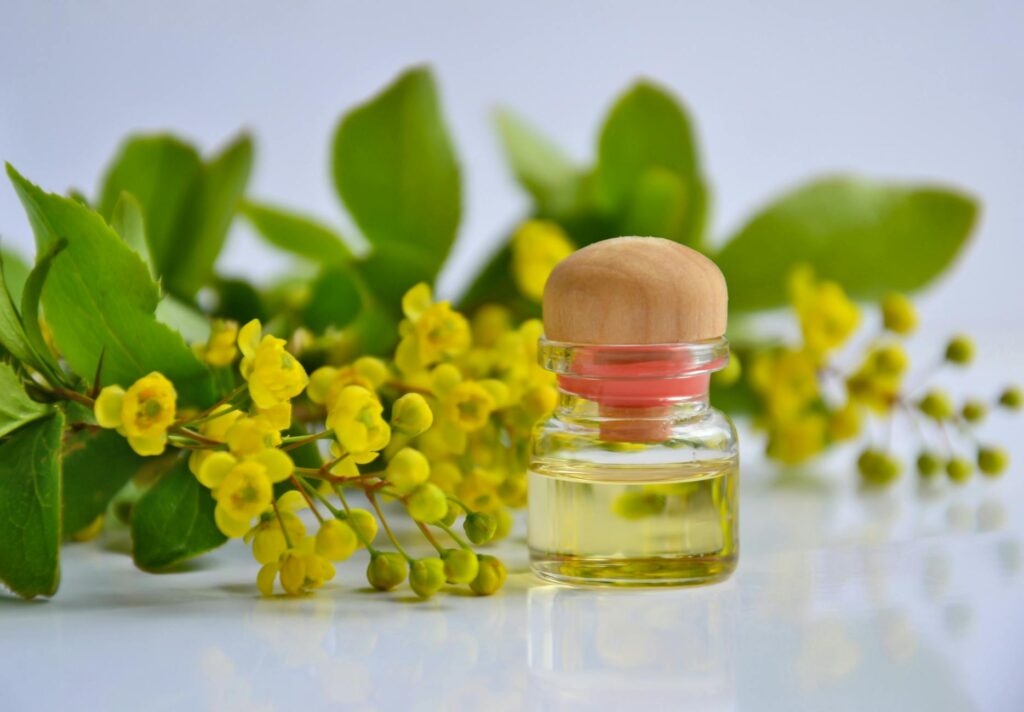
Health Benefits of Herbal Capsules
Introduction
Herbal capsules have gained popularity in the wellness community as a convenient method for incorporating the benefits of various herbs into daily routines. These capsules typically contain powdered plant materials and are designed to provide an efficient way to consume herbal remedies. With the growing trend toward natural health solutions, understanding the properties and applications of herbal capsules can help individuals make informed choices about their wellness practices.
What Are Herbal Capsules?
Herbal capsules are small, digestible containers filled with powdered herbal substances. They are often made from gelatin or vegetarian materials and come in various sizes to accommodate different dosages. The herbs contained within these capsules may be sourced from leaves, roots, flowers, or seeds, and can be formulated to target specific health concerns or general wellness.
The encapsulation process protects the active compounds in herbs from degradation and allows for a more accurate dosing method compared to loose powders. This convenience can be particularly appealing for those who wish to integrate herbal remedies into their lifestyle without the need for extensive preparation or consumption of raw plant materials.
Key Benefits and Properties
Nutrient-Rich Composition
Herbal capsules are often rich in essential nutrients, including vitamins, minerals, antioxidants, and phytochemicals. These compounds can contribute to various health benefits, such as supporting the immune system, enhancing energy levels, and promoting overall well-being.
Convenience and Portability
One of the most significant advantages of herbal capsules is their convenience. They can be easily stored and transported, making them a practical choice for busy individuals or those who travel frequently. Unlike liquids or powders, which may require additional preparation, herbal capsules can be taken with water, simplifying the incorporation of herbal remedies into daily routines.
Precise Dosing
Herbal capsules allow for precise dosing, making it easier for users to monitor their intake of specific herbs. This accuracy can help individuals tailor their herbal consumption to meet their particular wellness goals.
Improved Bioavailability
The encapsulation of herbs can enhance their bioavailability. Some herbs may have compounds that are better absorbed when encapsulated, as the capsule can protect sensitive components from stomach acids and digestive enzymes, allowing them to reach the intestine more effectively.
Common Uses
Herbal capsules are often used for various purposes, including:
Digestive Health
Many herbal capsules contain digestive aids such as ginger, peppermint, or fennel, known for their ability to support healthy digestion and alleviate discomfort. These herbs may help in reducing bloating, gas, and other digestive issues.
Stress and Anxiety Relief
Herbs like ashwagandha, chamomile, or valerian root are commonly found in herbal capsules aimed at promoting relaxation and reducing stress. These herbs may help calm the mind and body, making them popular among individuals seeking natural methods for stress management.
Immune Support
Echinacea, elderberry, and astragalus are frequently used in herbal capsules designed to bolster the immune system. These herbs may assist in enhancing the body’s natural defenses against illness and infection.
Energy and Vitality
Herbs such as ginseng and rhodiola are often included in capsules aimed at improving energy levels and combating fatigue. These adaptogenic herbs may help the body adapt to stress and increase physical endurance.
Skin Health
Certain herbal capsules, like those containing neem or turmeric, are used to support skin health. These herbs are believed to possess anti-inflammatory and antibacterial properties that may contribute to a clearer complexion.
Aromatherapy Applications
While herbal capsules are primarily ingested, they can be complementary to aromatherapy practices. Many herbs used in capsules also exist in essential oil form, which can be used in diffusers or topical applications.
Synergistic Effects
Combining herbal capsules with aromatherapy can create a synergistic effect. For instance, taking a capsule of chamomile for relaxation while diffusing chamomile essential oil can enhance the calming experience.
Customized Blends
Individuals interested in personalized wellness routines can use herbal capsules alongside essential oils to create tailored blends. For example, one might use herbal capsules for internal support while applying essential oils for external benefits, such as skin care or mood enhancement.
Safety Considerations
Though herbal capsules are often perceived as safe due to their natural origins, it is essential to approach their use with caution.
Allergies and Sensitivities
Individuals should be aware of any allergies or sensitivities to specific herbs before consuming herbal capsules. Consulting with a healthcare professional can help determine the appropriateness of a particular herb for an individual’s health circumstances.
Quality and Purity
The quality and purity of herbal capsules can vary widely among manufacturers. It is advisable to choose products from reputable sources that provide third-party testing and transparency regarding their ingredients. This ensures that the capsules contain the stated herbs without harmful additives or contaminants.
Contraindications
Certain herbs may interact with medications or have contraindications for specific health conditions. Therefore, individuals should consult a healthcare provider before starting any new herbal regimen, especially if they are pregnant, nursing, or have pre-existing health conditions.
Storage and Shelf Life
Proper storage of herbal capsules is crucial to maintain their potency and efficacy. Here are some guidelines for optimal storage:
Cool, Dry Place
Herbal capsules should be stored in a cool, dry area away from direct sunlight and moisture. High temperatures and humidity can degrade the quality of the herbs.
Sealed Containers
Keeping herbal capsules in airtight containers can protect them from exposure to air, which may lead to oxidation and loss of potency. Dark glass or opaque containers are preferable to shield the capsules from light.
Shelf Life
The shelf life of herbal capsules can vary depending on the specific herbs used and the manufacturing process. Always check the expiration date on the packaging, and consider using the capsules within six months to a year for optimal freshness and effectiveness.
Frequently Asked Questions
Are herbal capsules safe for everyone?
While many people can safely use herbal capsules, they may not be suitable for everyone. It is important to consider individual health conditions, allergies, and possible interactions with medications. Consulting a healthcare provider is recommended before introducing any new supplements.
How should I take herbal capsules?
Herbal capsules should typically be taken with a full glass of water, unless otherwise specified on the product label. Always follow the dosage recommendations provided by the manufacturer or a healthcare professional.
Can I open herbal capsules and use the powder?
In most cases, the powdered contents of herbal capsules can be consumed directly or added to food or drinks. However, this may alter the taste and absorption of the herbs. It is advisable to consult with a healthcare provider or follow manufacturer guidelines before doing so.
How do I choose the right herbal capsules for me?
Selecting the right herbal capsules depends on individual health goals and preferences. Researching the specific herbs and their benefits, along with consulting a healthcare professional, can help guide choices.
Can herbal capsules replace medication?
Herbal capsules should not be seen as direct replacements for prescribed medications. They may serve as complementary support, but it is essential to discuss any changes in health regimens with a healthcare professional.
Conclusion
Herbal capsules offer a convenient and effective way to incorporate the benefits of various herbs into daily wellness practices. Understanding their properties, uses, and safety considerations can empower individuals to make informed decisions about their health. As the interest in natural remedies continues to grow, herbal capsules remain a valuable option for those seeking holistic approaches to well-being.