
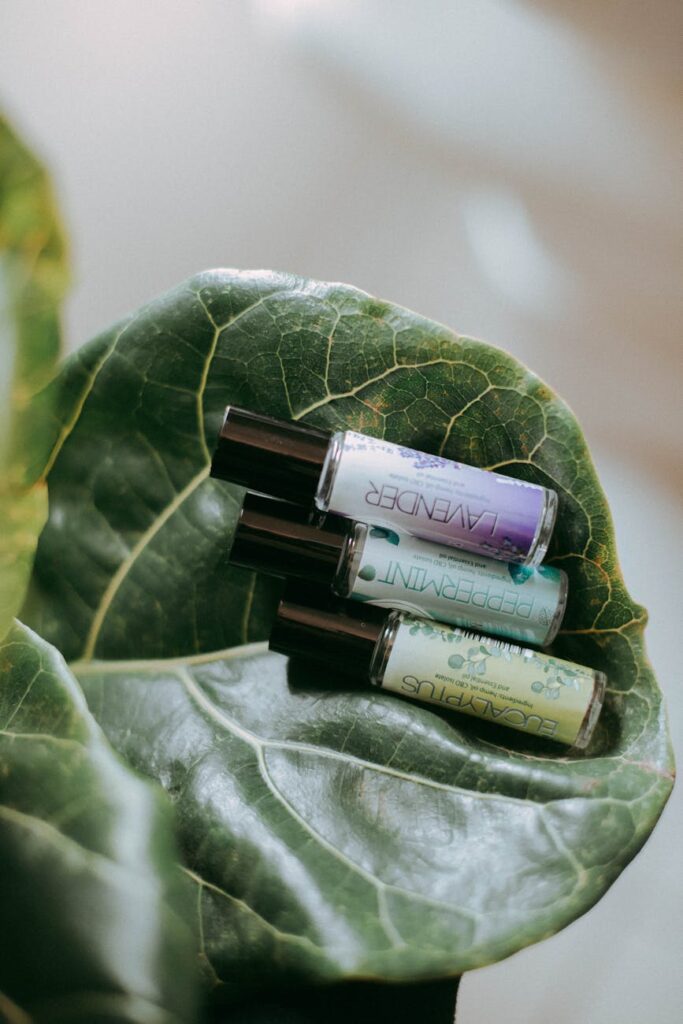
Health Benefits of Herbal Essential Oil Blends
Introduction
In recent years, herbal essential oil blends have gained popularity as a natural alternative for promoting well-being and enhancing the quality of life. Derived from various plants, these concentrated oils capture the essence of their source, offering a multitude of potential health benefits. This article explores what herbal essential oil blends are, their key benefits and properties, common uses, applications in aromatherapy, safety considerations, storage tips, and answers to frequently asked questions.
What Is Herbal Essential Oil Blends?
Herbal essential oil blends are mixtures of essential oils extracted from various herbs and plants. Essential oils are highly concentrated volatile compounds that are typically obtained through methods such as steam distillation, cold pressing, or solvent extraction. The blending of these oils combines the unique properties and aromas of each ingredient, creating a synergistic effect that can enhance their overall efficacy.
The composition of these blends can vary widely, depending on the specific herbs used, the method of extraction, and the intended purpose of the blend. Commonly blended herbs include lavender, peppermint, rosemary, eucalyptus, and chamomile, among others. Each herb brings its own set of characteristics, which can contribute to a more balanced and effective product.
Key Benefits and Properties
Herbal essential oil blends are celebrated for their diverse benefits, which can be broadly categorized into physical, emotional, and psychological effects. Some of the key benefits and properties include:
1. Antimicrobial Properties: Many essential oils possess natural antimicrobial qualities. For example, tea tree oil and thyme oil have been studied for their effectiveness against various bacteria and fungi.
2. Anti-inflammatory Effects: Certain oils, such as eucalyptus and chamomile, may help reduce inflammation, making them beneficial for soothing sore muscles and joints.
3. Relaxation and Stress Relief: Blends that include lavender and bergamot are renowned for their calming effects, helping to alleviate stress and promote relaxation.
4. Improved Focus and Cognitive Function: Oils like rosemary and peppermint are often associated with enhanced mental clarity and concentration, making them suitable for use during study or work.
5. Mood Enhancement: Citrus oils, such as sweet orange and lemon, are known for their uplifting properties, which can help improve overall mood and create a more positive environment.
6. Digestive Support: Some essential oils, including ginger and peppermint, are traditionally thought to aid digestion and can be used in blends aimed at promoting gastrointestinal comfort.
Common Uses
Herbal essential oil blends can be utilized in various ways, each offering unique benefits:
1. Diffusion: Using an essential oil diffuser allows the aromatic compounds to disperse into the air, creating a pleasant atmosphere and promoting emotional well-being.
2. Topical Application: Blends can be diluted with a carrier oil (such as jojoba, coconut, or almond oil) for direct application to the skin. This method is effective for localized benefits, such as muscle relief or skincare.
3. Bathing: Adding essential oil blends to a warm bath can enhance relaxation and provide a soothing experience for both body and mind.
4. Inhalation: Inhaling the aroma directly from the bottle or using a personal inhaler can provide immediate effects, particularly for relaxation or energy boosts.
5. Household Cleaning: Essential oils with antibacterial properties can be incorporated into homemade cleaning products, offering a natural alternative to chemical cleaners.
Aromatherapy Applications
Aromatherapy, the practice of using essential oils for therapeutic purposes, is a key application for herbal essential oil blends. Various blends can be tailored to address specific needs or preferences, such as:
1. Stress Relief Blend: A combination of lavender, chamomile, and bergamot can create a calming atmosphere, ideal for unwinding after a long day.
2. Energizing Blend: A mix of peppermint, lemon, and rosemary can invigorate the senses, making it suitable for use during work or study sessions.
3. Sleep Aid Blend: A blend of lavender, cedarwood, and ylang-ylang may help promote restful sleep when diffused in the bedroom.
4. Respiratory Support Blend: Eucalyptus, tea tree, and peppermint can be blended to support respiratory health, particularly during seasonal changes.
5. Digestive Blend: Ginger, peppermint, and fennel can be combined to create a blend aimed at promoting digestive comfort.
Safety Considerations
While herbal essential oil blends can offer numerous benefits, it is essential to consider safety guidelines:
1. Dilution: Always dilute essential oils with a carrier oil before applying them to the skin. Undiluted oils can cause skin irritation or allergic reactions.
2. Allergies: Conduct a patch test before using a new blend to ensure no allergic reactions occur. Apply a small amount of the diluted blend to a discreet area of skin and monitor for any adverse effects.
3. Pregnancy and Nursing: Some essential oils are not recommended during pregnancy or nursing. Consult a qualified professional for guidance on safe usage.
4. Children and Pets: Certain oils may not be safe for use around children or pets. Research specific oils and their effects on these vulnerable populations.
5. Medical Conditions: Individuals with existing health conditions or those taking medications should consult a healthcare professional prior to using essential oils, as some oils may interact with medications or exacerbate certain conditions.
Storage and Shelf Life
Proper storage is crucial to maintaining the quality and efficacy of herbal essential oil blends. Here are some tips for optimal storage:
1. Dark Glass Containers: Store essential oils in dark glass bottles to protect them from light, which can degrade their quality over time.
2. Cool, Dry Place: Keep oils in a cool, dry location, away from direct sunlight and heat sources.
3. Tightly Sealed: Ensure bottles are tightly sealed to prevent oxidation and evaporation.
4. Shelf Life: While the shelf life can vary depending on the specific oils in the blend, most essential oils can last anywhere from 1 to 3 years if stored properly. Citrus oils may have a shorter shelf life due to their higher volatility.
Frequently Asked Questions
1. Can I use herbal essential oil blends if I have sensitive skin?
Yes, but it is crucial to dilute the oils with a carrier oil and perform a patch test first. If any irritation occurs, discontinue use.
2. How are essential oil blends made?
Essential oil blends are created by combining different essential oils in specific ratios to achieve desired effects and aromas.
3. Are there any essential oils that should be avoided during pregnancy?
Yes, some essential oils are not recommended during pregnancy, including but not limited to sage, rosemary, and certain citrus oils. Always consult a qualified professional for guidance.
4. Can I ingest essential oils?
Not all essential oils are safe for ingestion. Only use oils labeled as food-grade and consult a healthcare professional for advice before ingestion.
5. How often can I use essential oil blends?
Usage frequency can vary based on individual preference and the specific blend. However, it is advisable to take breaks and not to overuse any particular oil to avoid potential sensitization.
Conclusion
Herbal essential oil blends offer a wealth of benefits, ranging from physical to emotional support. By understanding their properties, uses, and safety considerations, individuals can effectively incorporate these natural remedies into their daily routines. As always, research and personal experience will guide the best practices for each unique blend, allowing users to enjoy the rich aromatic world of essential oils safely and effectively.