
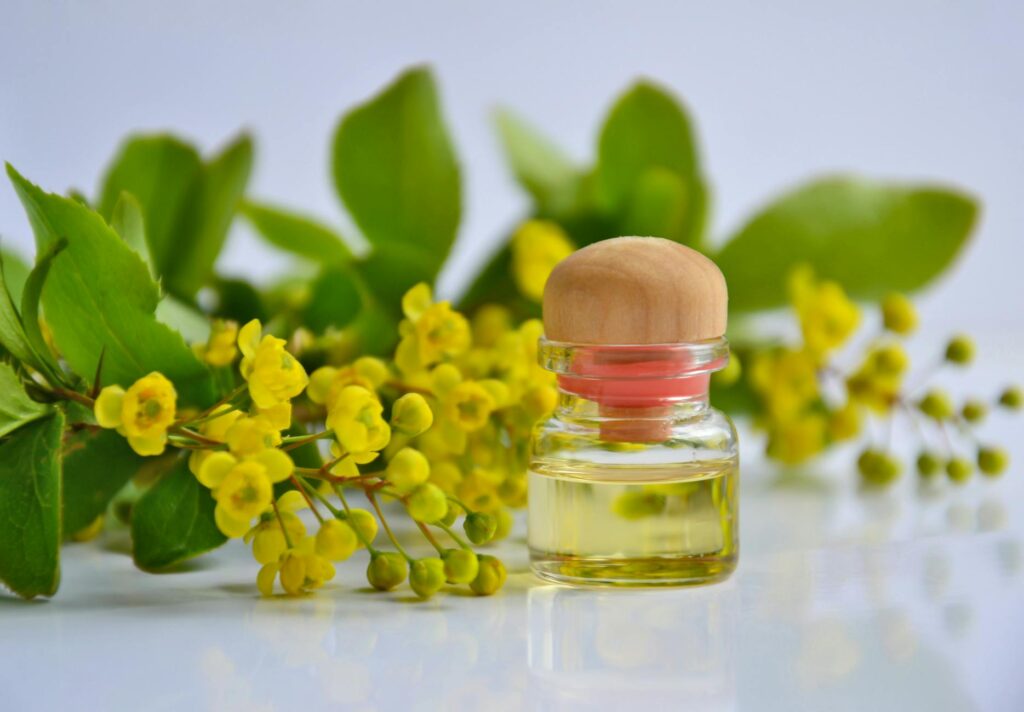
Health Benefits of Herbal Essential Oils
Introduction
Herbal essential oils have gained prominence in recent decades as natural remedies for various physical and emotional issues. Derived from the leaves, flowers, and stems of plants, these oils encapsulate the concentrated essence of their source, making them powerful tools in holistic health practices. This article explores the nature of herbal essential oils, their benefits, common uses, applications in aromatherapy, and important safety considerations.
What Is Herbal Essential Oils?
Herbal essential oils are volatile, aromatic compounds extracted from specific plants through various methods such as steam distillation, cold pressing, or solvent extraction. Unlike carrier oils that serve as base oils for diluting essential oils, herbal essential oils are highly concentrated and should be handled with care. Each essential oil has its own unique composition, which determines its therapeutic properties and uses.
The extraction process typically captures the plant’s fragrance, flavor, and therapeutic qualities, allowing for a wide range of applications in wellness practices. Common examples of herbal essential oils include lavender, eucalyptus, peppermint, tea tree, and rosemary.
Key Benefits and Properties
Herbal essential oils offer a variety of health benefits, largely due to their complex chemical compositions. Here are some key properties associated with essential oils:
1. Antimicrobial Properties
Many herbal essential oils have demonstrated antimicrobial effects, making them effective against bacteria, fungi, and viruses. For instance, tea tree oil is renowned for its ability to combat skin infections and promote wound healing.
2. Anti-Inflammatory Effects
Certain essential oils, such as ginger and frankincense, are noted for their anti-inflammatory properties. These oils can help reduce inflammation and alleviate discomfort associated with various conditions.
3. Stress and Anxiety Relief
Aromatherapy with essential oils like lavender and chamomile has been linked to reduced stress and anxiety levels. The calming scents can promote relaxation and enhance mood.
4. Respiratory Benefits
Essential oils such as eucalyptus and peppermint are often used to support respiratory health. They may help clear congestion and promote easier breathing.
5. Digestive Support
Some essential oils, like peppermint and ginger, can aid digestion and alleviate discomfort associated with digestive issues.
6. Skin Health
Herbal essential oils such as lavender and tea tree are frequently incorporated into skincare routines due to their soothing and healing properties.
Common Uses
Herbal essential oils are versatile and can be utilized in various ways, including:
1. Diffusion
Using a diffuser to disperse essential oil vapors into the air can create a pleasant atmosphere while delivering the benefits of aromatherapy.
2. Topical Application
When diluted with a carrier oil, essential oils can be applied directly to the skin for localized relief or nourishment.
3. Bathing
Adding essential oils to bathwater can enhance relaxation and provide skin benefits. However, proper dilution is crucial.
4. Household Cleaning
Many essential oils possess antimicrobial properties, making them useful as natural cleaning agents. Oils such as lemon and tea tree can be added to cleaning solutions.
5. Culinary Uses
Certain essential oils, like peppermint and lemon, can be used in cooking, though it’s essential to ensure they are food-safe.
Aromatherapy Applications
Aromatherapy is a holistic practice that utilizes essential oils to enhance physical and emotional well-being. It can be administered through various methods, including:
1. Inhalation
Simply inhaling the scent of an essential oil can have immediate effects. For example, inhaling peppermint oil may invigorate and stimulate mental clarity.
2. Massage
Incorporating essential oils into massage therapy can enhance relaxation and alleviate muscle tension. The physical touch combined with the aromatic properties creates a multi-faceted approach to wellness.
3. Meditation
Certain essential oils, such as sandalwood and frankincense, can help promote a meditative state and enhance focus during mindfulness practices.
4. Sleep Aids
Essential oils like lavender and chamomile are commonly used to promote better sleep quality. Spraying a pillow with diluted essential oil or using a diffuser in the bedroom can create a calming environment conducive to rest.
Safety Considerations
While herbal essential oils are natural, they are highly concentrated substances that require careful handling. Here are some essential safety considerations:
1. Dilution
Always dilute essential oils with a carrier oil before applying them to the skin to prevent irritation. A common dilution ratio is 1-2 drops of essential oil per teaspoon of carrier oil.
2. Allergies and Sensitivities
Perform a patch test before using a new essential oil to check for allergic reactions. Apply a small amount of diluted oil to a small area of skin and observe for any adverse reactions.
3. Avoiding Ingestion
Ingesting essential oils should only be done under the guidance of a qualified professional. Some oils may be toxic if consumed improperly.
4. Not for Pregnant or Nursing Women
Certain essential oils are contraindicated for pregnant or nursing women. It’s essential to consult with a healthcare provider before use.
5. Keep Away from Sensitive Areas
Avoid applying essential oils to sensitive areas, such as the eyes, mucous membranes, and broken skin.
Storage and Shelf Life
Proper storage of herbal essential oils is crucial to maintaining their potency and effectiveness. Here are some guidelines:
1. Dark Glass Containers
Store essential oils in dark glass bottles to protect them from light, which can degrade their quality.
2. Cool, Dry Place
Keep essential oils in a cool and dry location, away from direct sunlight and heat sources.
3. Shelf Life
The shelf life of essential oils varies depending on the type and extraction method. Generally, citrus oils have a shorter shelf life (1-2 years) compared to others, like sandalwood or patchouli, which can last up to 5 years or more. Regularly check for changes in smell or consistency.
Frequently Asked Questions
1. Can essential oils be used for children?
Some essential oils can be used for children, but it’s essential to dilute them properly and consult with a healthcare provider for recommended oils and dosages.
2. Are there any essential oils that should be avoided?
Yes, certain essential oils are considered unsafe for specific populations, such as pregnant women or individuals with certain health conditions. Always research and consult a professional before use.
3. How do I choose the right essential oil for my needs?
Identifying the desired outcome—whether it’s relaxation, energy, or respiratory support—can guide you in selecting the appropriate essential oil. Research or consult with an aromatherapy specialist for tailored recommendations.
4. Can essential oils expire?
Yes, essential oils can lose their potency over time. Proper storage and attention to shelf life can help maintain their effectiveness.
5. Is it safe to use essential oils around pets?
Some essential oils can be harmful to pets. It’s advisable to research pet-safe oils and consult a veterinarian for guidance.
Conclusion
Herbal essential oils are a rich source of therapeutic benefits that can enhance physical and emotional well-being. From supporting respiratory health to promoting relaxation, these aromatic compounds offer a natural alternative for many everyday concerns. However, proper usage and safety precautions are paramount to maximize their benefits while minimizing risks. As interest in holistic health continues to grow, the exploration of herbal essential oils remains an exciting and valuable journey into nature’s remedies.