
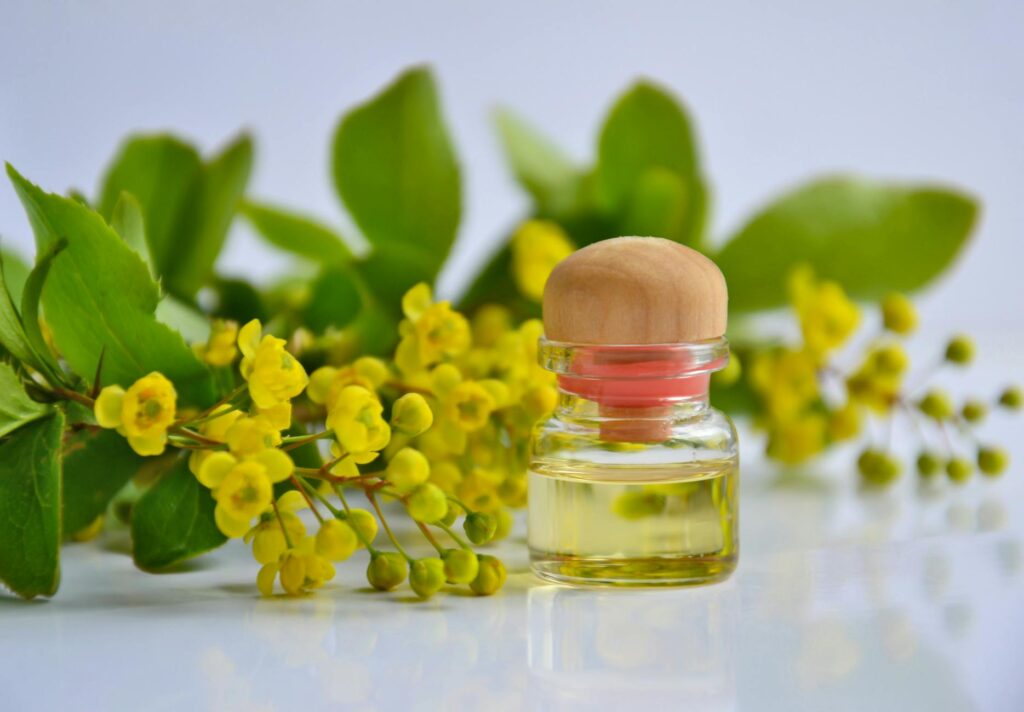
Health Benefits of Herbal Glycerites
Introduction
In the world of natural remedies, herbal glycerites have gained popularity as an effective method for extracting and preserving the therapeutic properties of herbs. These sweet, syrupy extracts are made by combining herbal material with glycerin, a plant-derived compound that serves as both a solvent and preservative. Herbal glycerites combine the benefits of herbal medicine with the ease of use and palatability, making them an accessible choice for many individuals seeking natural health solutions. This article explores the nature of herbal glycerites, their benefits, common uses, and safety considerations.
What Is Herbal Glycerites?
Herbal glycerites are liquid extracts obtained from the maceration of herbs in glycerin, which is a viscous, colorless liquid derived from vegetable oils. Unlike alcohol-based tinctures, which can be harsh for some individuals, glycerites offer a gentler alternative. The glycerin acts as a solvent, extracting the active constituents of the herbs while simultaneously preserving them.
The process of making herbal glycerites generally involves the following steps:
1. Preparation of Herbal Material: Fresh or dried herbs are selected based on their desired therapeutic properties.
2. Maceration: The herbs are combined with glycerin in a suitable ratio, commonly ranging from 1:1 to 1:5, depending on the herb’s potency and the desired concentration.
3. Extraction: The mixture is allowed to sit for a specified period, usually several weeks, during which the glycerin extracts the herbal properties.
4. Straining: After the extraction period, the mixture is strained to remove solid plant material, resulting in a clear, concentrated liquid.
The final product is often sweet-tasting and can be used in various applications, making it a versatile addition to herbal medicine.
Key Benefits and Properties
Herbal glycerites offer several benefits, owing to both the glycerin itself and the herbs used in their preparation. Some of the key benefits include:
1. Gentle Extraction: Glycerin is non-toxic and non-irritating, making it an excellent choice for individuals sensitive to alcohol or those who wish to avoid its effects.
2. Preservation of Nutrients: Glycerin not only extracts the active compounds of herbs but also helps preserve their beneficial properties over time.
3. Sweet Taste and Palatability: The natural sweetness of glycerin makes herbal glycerites appealing, especially for children or those who dislike the taste of traditional tinctures.
4. Hydration: Glycerin has humectant properties, meaning it can attract moisture, which may provide additional hydration benefits when consumed.
5. Versatility: Herbal glycerites can be used in various ways, including as sweeteners in teas or beverages, flavoring agents in culinary applications, and components in skincare formulations.
Common Uses
Herbal glycerites can be tailored to address a wide range of health and wellness goals. Some common uses include:
1. Digestive Support: Herbal glycerites made from herbs such as peppermint or ginger may assist in alleviating digestive discomfort.
2. Calming and Relaxation: Herbs like chamomile or lemon balm can be used to create glycerites that promote relaxation and stress relief.
3. Immune Support: Glycerites made from elderberry or echinacea may be sought after for their potential immune-boosting properties.
4. Respiratory Health: Herbal glycerites containing herbs such as thyme or marshmallow root may be used to support respiratory health.
5. Skin Care: Some glycerites can be incorporated into skincare routines, thanks to their moisturizing properties and potential benefits for specific skin conditions.
6. Flavoring Agent: Glycerites can serve as a natural sweetener in herbal teas, smoothies, or other culinary creations, enhancing flavor while providing herbal benefits.
Aromatherapy Applications
While herbal glycerites are primarily known for their internal and topical uses, they can also complement aromatherapy practices. Here are a few ways in which herbal glycerites can be integrated into aromatherapy:
1. Carrier for Essential Oils: Glycerites can serve as a carrier for essential oils, diluting their potency while facilitating their application on the skin or in massage blends.
2. Inhalation Blends: Glycerites infused with calming herbs can be added to steam inhalation recipes to enhance relaxation and respiratory support.
3. Personal Fragrances: Herbal glycerites can be used as a base for creating unique, herbal-infused personal fragrances, adding a natural touch to one’s scent profile.
4. Bath Products: Adding herbal glycerites to bath salts or oils can enhance the therapeutic experience, promoting relaxation and skin hydration.
Incorporating herbal glycerites into aromatherapy expands their versatility, allowing for personalized blends and enhanced sensory experiences.
Safety Considerations
While herbal glycerites are generally considered safe for most individuals, there are some important safety considerations to keep in mind:
1. Quality of Ingredients: Always use high-quality, organic herbs and food-grade glycerin to ensure the best results and avoid contaminants.
2. Sensitivity and Allergies: Individuals with known allergies to specific herbs should avoid glycerites made from those plants. It is advisable to perform a patch test if using glycerites topically.
3. Dosage: Although glycerites are gentler than tinctures, it is still essential to adhere to recommended dosages. Consult product guidelines or a knowledgeable herbalist for guidance.
4. Pregnancy and Nursing: Pregnant and nursing individuals should exercise caution and consult healthcare professionals before using herbal glycerites, as some herbs may not be appropriate during these periods.
5. Interactions: Herbal glycerites may interact with certain medications. It is essential to consult with a healthcare provider if you are taking prescription medications or have underlying health conditions.
Storage and Shelf Life
Proper storage is crucial to maintaining the quality and efficacy of herbal glycerites. Here are a few guidelines:
1. Storage Conditions: Store herbal glycerites in a cool, dark place, away from direct sunlight and heat, to prevent degradation of the herbal properties.
2. Container: Use dark glass bottles for storage, as they help protect the glycerites from light exposure.
3. Shelf Life: When stored correctly, herbal glycerites can have a shelf life of 1 to 3 years. However, always check for changes in color, taste, or odor before use.
Frequently Asked Questions
What is the difference between herbal glycerites and tinctures?
Herbal glycerites are made using glycerin as a solvent, while tinctures typically use alcohol. Glycerites are often sweeter and gentler, making them suitable for individuals who prefer to avoid alcohol.
Can I make my own herbal glycerites at home?
Yes, making herbal glycerites at home is a straightforward process. However, it is essential to follow proper guidelines and use high-quality ingredients to ensure safety and efficacy.
Are herbal glycerites suitable for children?
Herbal glycerites are generally considered safe for children, but it is advisable to consult a healthcare professional or herbalist for appropriate dosages and herb selections.
Can herbal glycerites expire?
Yes, while herbal glycerites can last for several years when stored properly, they may lose potency over time. It is important to check for any signs of spoilage before use.
How should I take herbal glycerites?
Herbal glycerites can be taken directly or mixed with water, tea, or other beverages. Always follow recommended dosages and consult guidelines for specific herbs.
Conclusion
Herbal glycerites represent a unique and versatile approach to herbal medicine, offering an effective means of extracting and preserving the beneficial properties of herbs. Their sweet taste, ease of use, and gentle nature make them an attractive option for individuals seeking natural remedies. While incorporating herbal glycerites into your wellness routine, it is essential to understand their benefits, uses, and safety considerations to ensure a positive experience. As with any form of natural remedy, informed exploration is key to harnessing the full potential of these herbal extracts.